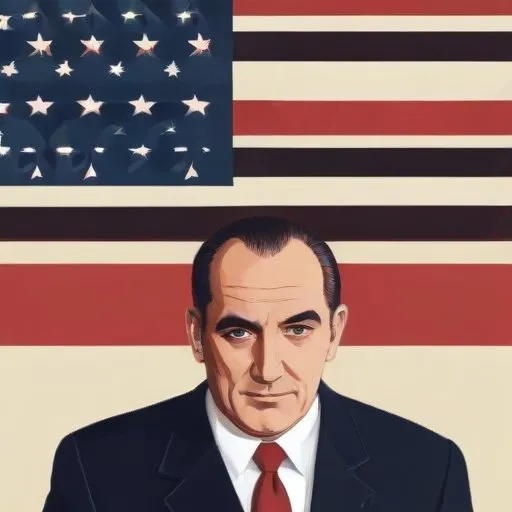
W. Averell Harriman: The Ultimate Statesman and Diplomat
A Life of Service and Leadership
W. Averell Harriman was a towering figure in American politics and diplomacy, known for his pivotal roles as Secretary of Commerce, Governor of New York, and Ambassador to the Soviet Union during World War II. He was a trusted advisor to Democratic presidents, a key foreign policy architect, and a champion of American foreign policy initiatives.
Early Life and Career
Born on November 15, 1891, to a wealthy family, Harriman was the son of railroad baron
E. H. Harriman. He attended Groton School and Yale University, where he forged connections that would later lead to the creation of the banking firm Brown Brothers Harriman & Co. Harriman's early career was marked by entrepreneurial spirit, and he went on to own parts of various companies, including Union Pacific Railroad, Merchant Shipping Corporation, and Polaroid Corporation.
Rise to Prominence
During Franklin D. Roosevelt's presidency, Harriman served in the National Recovery Administration and on the Business Advisory Council before transitioning to foreign policy roles. He played a crucial role in coordinating the Lend-Lease program, served as Ambassador to the Soviet Union, and attended major World War II conferences, including the Tehran Conference and the Yalta Conference. After the war, Harriman became a prominent advocate of
George F. Kennan's policy of containment.
Governor of New York and Presidential Aspirations
In 1954, Harriman defeated Republican Senator Irving Ives to become the Governor of New York, serving a single term before his defeat by
Nelson Rockefeller in the 1958 election. Harriman also sought the presidential nomination at the 1952 Democratic National Convention and the 1956 Democratic National Convention, although he ultimately fell short.
Legacy and Impact
After his gubernatorial defeat, Harriman became a widely respected foreign policy elder within the Democratic Party. He helped negotiate the Partial Nuclear Test Ban Treaty and played a key role in shaping American foreign policy during the Cold War era. Harriman's legacy is one of dedicated service, visionary leadership, and a steadfast commitment to promoting American interests on the global stage.
Personal Milestones and Quotes
- Harriman was married to Marie Irene Norton Whitney, a former wife of Cornelius Vanderbilt Whitney.
- He was known for his wit and charm, reportedly saying, "During my 87 years, I have witnessed a whole succession of technological revolutions. But none of them have done away with the need for character in the individual or the ability to think."
Awards and Honors
Harriman received numerous awards and honors for his service, including the Presidential Medal of Freedom, the Distinguished Service Medal, and the French Légion d'Honneur.
Historical Context and Legacy
W. Averell Harriman's remarkable career spanned over six decades, during which he played a significant role in shaping American foreign policy. His legacy serves as a testament to his unwavering dedication to public service, his diplomatic prowess, and his commitment to promoting American interests on the global stage.
FAQ
What was W. Averell Harrimans role in World War II?
W. Averell Harriman played a significant role in World War II as the US Ambassador to the Soviet Union, facilitating crucial diplomatic relations between the two nations. He also served as the Chairman of the US delegation to the Moscow Conference.
What business ventures was W. Averell Harriman involved in?
W. Averell Harriman was a successful businessman, involved in various ventures, including the Union Pacific Railroad, the Southern Pacific Railroad, and the Brown Brothers Harriman & Co. investment bank.
What were W. Averell Harrimans political achievements?
W. Averell Harrimans political achievements include serving as the 11th United States Secretary of Commerce, Governor of New York, and Director of the Mutual Security Agency.
What was W. Averell Harrimans relationship with the Kennedy family?
W. Averell Harriman was a close friend and advisor to the Kennedy family, particularly John F. Kennedy, and played a key role in shaping US foreign policy during his presidency.
How did W. Averell Harriman die?
W. Averell Harriman died on July 26, 1986, at the age of 94, leaving behind a legacy as a statesman, businessman, and diplomat.