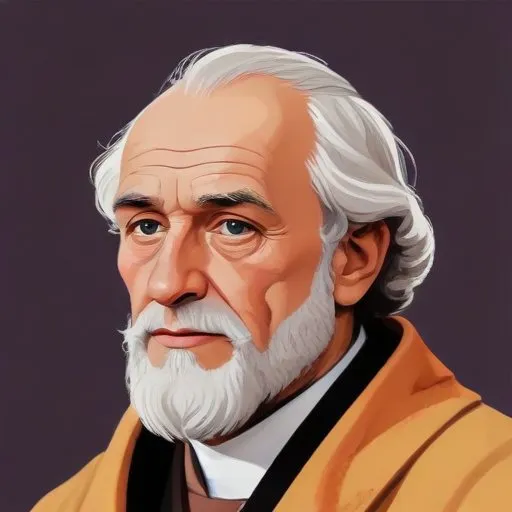
Conrad Lycosthenes: The Renaissance Polymath Behind the Ages
A Towering Figure of Erudition
Conrad Lycosthenes, born Conrad Wolffhart in 1518, was an Alsatian humanist and encyclopedist who left an indelible mark on the Renaissance era. He is known for his vast and diverse literary works, which encompassed editions, translations, and compilations of ancient texts, showcasing his mastery of Latin and Greek.
Early Life and Education
Born in Rouffach, Alsace, to Theobald Wolffhart and Elizabeth Krsner, Lycosthenes' German name was later changed to the humanist name Lycosthenes. He studied philosophy in Heidelberg from 1535 to 1539, where he honed his intellectual curiosity and zeal for knowledge. Subsequently, he moved to Basel, where he began teaching grammar and dialectics, eventually becoming the Deacon of Saint Leonard in 1545.
A Life of Literary Pursuits
Lycosthenes' literary output was staggering, reflecting his insatiable curiosity about the natural world, geophysics, and curiosities. Some of his notable works include:
- Commentaries on De viris illustribus (1547), a comprehensive work on illustrious men
- Elenchus scriptorum omnium (1551), a catalog of writers
- Gnomologia ex AEneae Sylvii operibus collecta (1551), a collection of aphorisms
- Iulii Obsequentis Prodigiorum liber (1552), a treatise on prodigies and wonders
Despite suffering from hemiplegia in 1554, which rendered his right hand useless, Lycosthenes continued to write with his left hand, leaving behind a legacy of scholarly contributions.
Personal Life and Relationships
Lycosthenes married Chretienne Herbster, sister of the renowned Basel book printer Johannes Oporinus and widow of Leonard Zwinger. This union connected him to
Theodor Zwinger, author of the influential work
Theatrum vitae humanae.
Legacy and Impact
Conrad Lycosthenes' contributions to the world of scholarship and literature are undeniable. His works continue to inspire and influence scholars, serving as a testament to the power of human curiosity and perseverance. As one of the 16th century's most prolific polyhistors, Lycosthenes' legacy endures, a shining beacon of erudition in an era marked by intellectual fervor.
Through his extensive writings, Lycosthenes bridged the gap between ancient and modern knowledge, illuminating the path for future generations of scholars and thinkers. His remarkable story serves as a reminder that even in the face of adversity, the human spirit can overcome obstacles and achieve greatness.
Final Thoughts
Conrad Lycosthenes' remarkable life and works serve as a testament to the boundless potential of the human mind. As we delve into the depths of his literary legacy, we are reminded of the importance of intellectual curiosity, perseverance, and the pursuit of knowledge. Lycosthenes' contribution to the Renaissance era remains unparalleled, inspiring generations to come.
FAQ
What was Conrad Lycosthenes most notable literary work?
Conrad Lycosthenes most notable literary work is Prodromus Cognitionis Gemina, a comprehensive treatise on the art of memory that showcases his expertise in the field.
What was Conrad Lycosthenes contribution to the field of mnemotechnics?
Conrad Lycosthenes made significant contributions to the field of mnemotechnics, developing innovative techniques for improving memory and cognitive function.
What was Conrad Lycosthenes approach to education?
Conrad Lycosthenes approach to education was centered on the idea that education should be accessible to all, regardless of social class or background.
What was Conrad Lycosthenes significance in the Renaissance era?
Conrad Lycosthenes played a significant role in the Renaissance era, as his work influenced many prominent scholars and thinkers of the time.
What is Conrad Lycosthenes legacy in modern times?
Conrad Lycosthenes legacy in modern times is marked by a continued interest in his work on mnemotechnics and a recognition of his contributions to the development of educational theory.