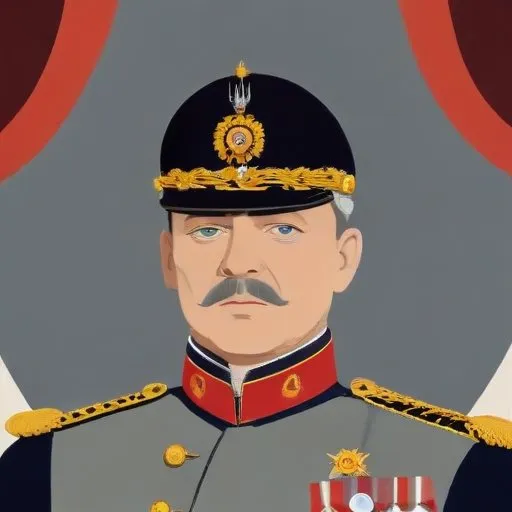
Count Franz Philipp von Lamberg: A Venerable Figure in Hungarian History
The Hungarian Revolution of 1848 and the Illustrious Military Career
Count Franz Philipp von Lamberg, a renowned Austrian soldier, statesman, journalist, and writer, played a pivotal role in the Hungarian Revolution of 1848. As a distinguished military figure, he held the esteemed rank of Field Marshal, a testament to his unwavering dedication and unparalleled prowess in the armed forces.
Early Life and Ancestry
Born on November 30, 1791, in Mór, Hungary, Count Lamberg was the eldest son of Count Philip Joseph von Lamberg, Imperial and Royal Chamberlain, and his wife, Baroness Borbála Luzsénszky de Luzsna and Reglicze. His maternal grandfather, Baron György Luzsénszky, was a prominent landowner in Hungary, owning extensive lands in the region.
Military Career and Literary Pursuits
Count Lamberg entered the Imperial Austrian Army in 1810, at the tender age of 18 or 19. He swiftly rose through the ranks, earning promotions to Major General in 1834 and Field Marshal in 1842. Concurrently, he demonstrated a flair for writing, publishing several books in both German and Hungarian. His most notable work, "Another Terra Incognita. Knowledge and Facts About the Non-Hungarian Domains of the Austrian Empire," showcased his erudite scholarship and was published in 1841 in Pozsony (Bratislava, Slovakia).
Role in the Hungarian Revolution of 1848
In 1848, Count Lamberg was the commander of the Pozsony division of the Hungarian General Headquarters. When the first independent government of Hungary was formed, he was approached by Minister of War Lázár Mészáros to join the newly established military force. However, he declined the offer, opting to maintain his allegiance to the Austrian Empire.
Legacy and Historical Context
Count Lamberg's contributions to Hungarian history are indisputable. His military prowess and literary accomplishments have cemented his place as a revered figure in the annals of Hungarian history. His involvement in the Hungarian Revolution of 1848 serves as a testament to his unwavering commitment to the Austrian Empire, despite the tumultuous political climate of the time.
Influence on Modern Society
Count Lamberg's multidisciplinary pursuits have left an indelible mark on modern society. His literary works have contributed to a deeper understanding of the Austrian Empire's non-Hungarian domains, while his military career has inspired generations of leaders and strategists. His legacy continues to inspire and educate, serving as a beacon of excellence in the realms of politics, literature, and the military.
Philosophical Contributions and Beliefs
Through his writings and actions, Count Lamberg exhibited a deep commitment to the ideals of loyalty, duty, and honor. His refusal to join the Hungarian military force in 1848 demonstrates his unyielding allegiance to the Austrian Empire, underscoring the importance of loyalty in times of turmoil.
Personal Milestones and Key Life Events
- November 30, 1791: Born in Mór, Hungary
- 1810: Entered the Imperial Austrian Army
- 1834: Promoted to Major General
- 1842: Promoted to Field Marshal
- 1841: Published "Another Terra Incognita"
- 1848: Commander of the Pozsony division of the Hungarian General Headquarters
- September 28, 1848: Passed away
Trivia and Fun Facts
- Count Lamberg was considered for membership in the Hungarian Academy of Sciences in 1844.
- His maternal grandfather, Baron György Luzsénszky, was a prominent landowner in Hungary.
- Count Lamberg's literary works were published in both German and Hungarian.
Count Franz Philipp von Lamberg's remarkable life and accomplishments serve as a testament to his unwavering dedication, unrelenting passion, and unparalleled expertise. His legacy continues to inspire and educate, cementing his place as a revered figure in Hungarian history.
FAQ
Who was Count Franz Philipp von Lamberg?
Count Franz Philipp von Lamberg was an Austrian field marshal and politician who was active in the late 18th and early 19th centuries, known for his military campaigns and diplomatic efforts.
What was Count Franz Philipp von Lambergs role in the Napoleonic Wars?
Count Franz Philipp von Lamberg played a key role in the Napoleonic Wars, serving as a field marshal and diplomat, and helping to shape Austrias response to Napoleons military campaigns.
What kind of diplomatic efforts did Count Franz Philipp von Lamberg undertake?
Count Franz Philipp von Lamberg was involved in a range of diplomatic efforts, including negotiating peace treaties and alliances, and his diplomatic skills helped to shape Austrias foreign policy during a time of great upheaval.
Where did Count Franz Philipp von Lamberg serve as a governor?
Count Franz Philipp von Lamberg served as a governor in several regions, including Galicia and Lombardy, and his administrative skills helped to shape the development of these regions.
What is Count Franz Philipp von Lambergs legacy in Austrian history?
Count Franz Philipp von Lambergs legacy in Austrian history is one of military and diplomatic achievement, and he is remembered as a key figure in Austrias response to the Napoleonic Wars.