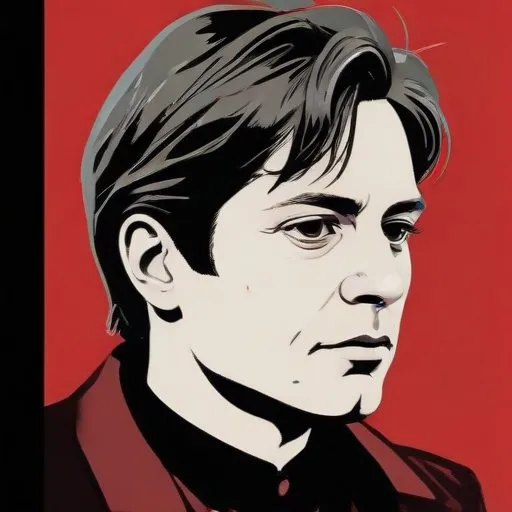
Daniel Eberlin

Daniel Eberlin

Daniel Eberlin was born on December 4th, 1647

Full Name: Daniel Eberlin
Nationality: German
Occupation: Composer
Born: 1647
Died: 1715
Notable Work: Sacred Music
Influence: German Baroque
Style: Counterpoint

A Baroque-era composer who wrote operas, oratorios, and chamber music, known for his innovative use of harmony and instrumentation.

Written by: Aisha Patel Aisha Patel

Daniel Eberlin: The Enigmatic Baroque Composer

A Life of Music and Mystery

Daniel Eberlin, a German Baroque composer and Kapellmeister, left an indelible mark on the world of classical music. His cantatas, trio sonatas, and innovative violin techniques continue to intrigue music enthusiasts to this day.

Vagrant Lifestyle and Career Highlights

Eberlin's life was marked by a series of unexpected twists and turns. After a brief stint as an officer in the papal army, he worked as a librarian in his hometown of Nuremberg. This unusual combination of military and literary pursuits laid the groundwork for his future career as a composer.

In 1695, Eberlin became the Kapellmeister at the Eisenach court, where he composed music for the court chapel. This position allowed him to hone his craft, experimenting with new sounds and techniques that would later define his style. Later, in 1713, he moved to Kassel, where he spent the final years of his life.

Musical Innovations and Legacy

Eberlin's most significant contribution to music lies in his use of scordatura, an innovative technique that involved tuning the violin in non-standard ways. He allegedly proposed over 2,000 different scordaturas, revolutionizing the way violinists approached their craft. This willingness to experiment and push boundaries has made him a fascinating figure in the history of classical music.

Personal Life and Relationships

Eberlin's personal life was marked by a strong sense of family and community. He was married and had eight children, one of whom, Amalia Louise Juliane, went on to marry the famous composer Georg Philipp Telemann. Eberlin's association with Telemann has led many to speculate about the extent of their musical influence on each other.

Pupils and Protégés

One of Eberlin's most notable pupils was Georg von Bertouch, a German-born composer and officer who later settled in Norway. Bertouch's music reflects the Baroque styles and techniques that Eberlin championed, ensuring the continuation of his legacy long after his death.

Works and Compositions

Eberlin's oeuvre is characterized by its diversity and inventiveness. His cantatas, written for church services, showcased his mastery of choral music. His trio sonatas, on the other hand, demonstrate his ability to craft intricate, interweaving melodies.

Lasting Impact and Legacy

Despite his vagrant lifestyle and relatively short career, Daniel Eberlin's influence on Baroque music is undeniable. His innovative use of scordatura, his mentorship of promising young composers, and his own compositions have left an indelible mark on the world of classical music.

Today, music historians and enthusiasts alike continue to uncover the secrets of Eberlin's enigmatic life, piecing together the fragments of his story to reveal a complex, multifaceted figure who defied convention and pushed the boundaries of artistic expression.

Timeline of Major Works and Events

Fun Facts and Trivia

Timeline
1647
Born in Augsburg, Germany
Daniel Eberlin, a German composer, was born in 1647 in Augsburg, Germany.
1665
Studied with Johann Kaspar Kerll
Eberlin studied with Johann Kaspar Kerll, a renowned composer and organist.
1673
Became court composer in Munich
Eberlin became the court composer in Munich, where he composed music for the royal court.
1683
Composed first opera
Eberlin composed his first opera, showcasing his talent as a composer.
1715
Death and legacy
Daniel Eberlin died in 1715, leaving behind a legacy as a prominent German composer of the Baroque period.
Daniel Eberlin

Daniel Eberlin Quiz

What type of music did Daniel Eberlin primarily compose?

Score: 0/5
FAQ
What is Daniel Eberlins contribution to German music?
Daniel Eberlin was a German composer who made significant contributions to the development of Baroque music in Germany. He wrote several operas, oratorios, and chamber music works, and was known for his mastery of counterpoint and harmony.
What is Daniel Eberlins early life and education?
Daniel Eberlin was born in 1647 in Nuremberg, Germany. He studied music with several prominent composers, including Johann Rosenmüller and Johann Kaspar Kerll.
What are Daniel Eberlins most famous works?
Daniel Eberlin is best known for his operas, including his most famous work, La costanza trionfante. He also wrote several oratorios, masses, and chamber music works, which showcase his skill as a composer.
How did Daniel Eberlins music reflect the cultural context of his time?
Daniel Eberlins music reflects the cultural context of 17th-century Germany, particularly the influence of the Baroque style. His use of complex counterpoint and harmony also reflects the intellectual and artistic currents of his time.
What is Daniel Eberlins legacy in modern times?
Daniel Eberlins legacy can be seen in the modern-day study of Baroque music, where he is remembered as a key figure in the development of German music. His works continue to be performed and admired today, and his influence can be heard in the music of later composers.

Related People:

Johann Sebastian Bach

Born in 1685

A master of Baroque music, he composed over 1,000 works, including orchestral suites, cantatas, and passions, that still inspire and influence musicians today. His innovative use of counterpoint and harmony raised the bar for classical music.

George Frideric Handel

Born in 1685

A renowned Baroque composer and organist, famous for creating majestic orchestral suites, operas, and oratorios, including the iconic "Messiah" masterpiece.

Domenico Scarlatti

Born in 1685

A virtuosic harpsichordist and composer, renowned for crafting over 550 sonatas that showcased his innovative and expressive style, blending Italian and Portuguese influences. 42

Antonio Vivaldi

Born in 1678

A virtuosic violinist and prolific composer, he crafted over 400 concertos, including "The Four Seasons," which remains a beloved and iconic masterpiece of classical music.

Carl Philipp Emanuel Bach

Born in 1714

A renowned 18th-century musician, he was a prolific composer and virtuosic performer, known for his expressive and innovative keyboard music that bridged the Baroque and Classical styles. His compositions, particularly for harpsichord and piano, showcased his mastery of counterpoint and harmony.

Christoph Willibald Gluck

Born in 1714

A pioneering opera composer who revolutionized the art form with his innovative and expressive works, blending music and drama in a way that captivated audiences.

Niccolò Piccinni

Born in 1728

An 18th-century Italian composer and educator, known for his operas and influence on the development of classical music. He was a prominent figure in the Neapolitan school of opera composition.

Wolfgang Amadeus Mozart

Born in 1756

A child prodigy and master of classical music, he composed over 600 works, including symphonies, operas, and chamber music, that continue to inspire and influence musicians today.