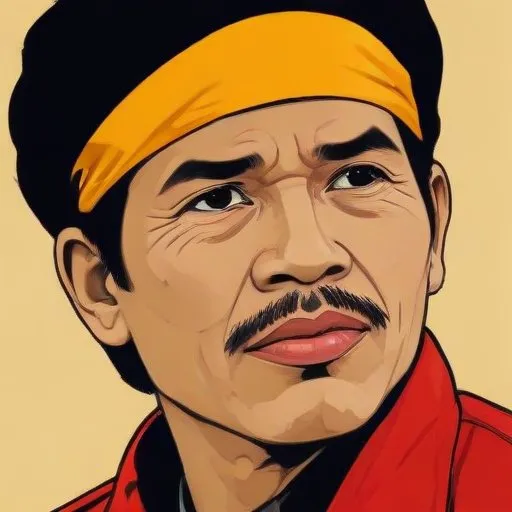
Diego Silang: The Filipino Revolutionary Who Dared to Challenge
A Champion of Self-Government and Anti-Colonialism
Diego Silang, a celebrated Filipino revolutionary leader, is renowned for his courageous bid to overthrow Spanish rule in the northern Philippines and establish an independent Ilocano state. His valiant efforts, fueled by grievances against Spanish taxation and abuses, have etched his name in the annals of history as a champion of self-government and anti-colonialism.
Early Life and Inspiration
Born on December 16, 1730, in Araya, Vigan, Ilocos Sur, Silang grew up in a society where the Spanish colonizers wielded immense power over the indigenous population. The injustices and atrocities perpetrated by the Spanish authorities sparked a fire within him, inspiring him to take a stand against the oppressors.
The Spark of Revolution
Silang's revolt was ignited when he began to rally his countrymen, urging them to join forces and arm against the Spanish. His persuasive arguments, which emphasized the importance of preserving the Catholic faith and the need for Ilocano self-government, resonated deeply with the local population. The chiefs and plebeians, particularly those in Vigan, were moved by his words, and soon, the rebels presented themselves armed, demanding that the Alcalde give up the staff of government.
The Climax of the Revolution
Emboldened by their initial success, the rebels demanded exemption from the tribute, a move that was met with fierce resistance from the Spanish authorities. Undeterred, Silang continued to push for his vision of an independent Ilocano state, even as the Spanish forces closed in on him.
Assassination and Legacy
Tragically, Silang's life was cut short when he was assassinated on May 28, 1763. However, his martyrdom only galvanized the revolution, with his wife, Gabriela Cario, taking on the leadership mantle and continuing the fight for independence.
Influence and Impact
Diego Silang's legacy extends far beyond his short-lived rebellion. His struggle for self-government and anti-colonialism has inspired generations of Filipinos to fight for their rights and freedoms. His bravery in the face of overwhelming odds has made him an icon of resistance against oppression, and his name is synonymous with the struggle for Philippine independence.
Philosophical Contributions and Beliefs
Silang's beliefs and philosophical contributions were rooted in his conviction that the indigenous population should be governed by their own kind. He fervently advocated for the training and empowerment of Ilocano officials, believing that this would bring about a more just and equitable society. His emphasis on self-government and anti-colonialism has had a profound impact on the country's quest for independence and self-determination.
Personal Milestones and Key Life Events
- 1730: Born in Araya, Vigan, Ilocos Sur
- 1763: Assassinated, leaving behind a legacy of resistance and rebellion
Controversies and Public Perception
Silang's rebellion was not without controversy, with some viewing him as a rebel and a troublemaker. However, history has vindicated him, and he is now celebrated as a hero who fought against colonialism and oppression.
Historical Context and Legacy
Diego Silang's rebellion took place during a tumultuous period in Philippine history, marked by Spanish colonization and the struggle for independence. His courage and sacrifice have left an indelible mark on the country's history, inspiring future generations to fight for their rights and freedoms.
Comparative Analysis with Contemporaries
While Silang's rebellion was unique in its scope and objectives, it shares parallels with other anti-colonial movements across the world. His struggle for self-government and independence resonates with the ideals of other revolutionaries who fought against oppressive regimes.
Impact on Pop Culture
Diego Silang's legendary status has inspired numerous literary and artistic works, cementing his place in popular culture. His story has been immortalized in books, films, and songs, ensuring that his legacy endures.
Awards and Honors
Silang's sacrifices have been recognized and honored by the Philippine government, which has named several institutions and landmarks in his honor.
Trivia and Fun Facts
- Silang's wife, Gabriela Cario, took on leadership of the rebellion after his assassination
- He was known for his charisma and persuasive oratory skills, which helped galvanize the rebellion
Inspirational Stories and Motivations
Diego Silang's courage and sacrifice serve as a powerful motivator for those fighting against oppression and injustice. His story is a testament to the human spirit's capacity for resistance and resilience, inspiring generations to come.