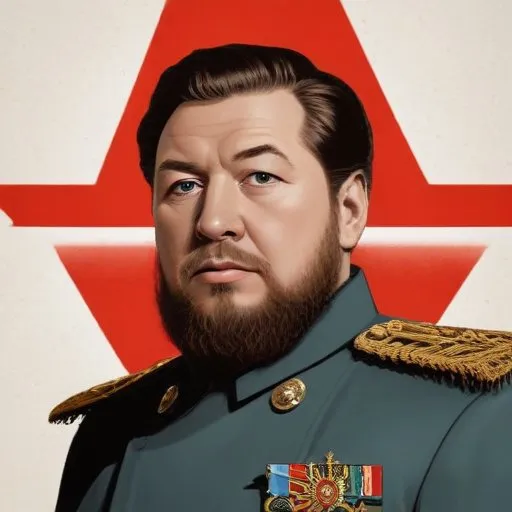
Dmitry Ustinov: The Soviet Union's Marshal and Defense Minister
A Leader in the Soviet Military-Industrial Complex
Dmitry Ustinov was a Soviet politician and Marshal of the Soviet Union who played a crucial role in the country's military-industrial complex during the Cold War. He served as the Minister of Defence of the Soviet Union from 1976 until his death in 1984, and was a key figure in the development of the Soviet Union's military capabilities.
Early Life and Education
Ustinov was born on October 30, 1908, in Samara, Russia, to a working-class family. He joined the Communist Party in 1927 and pursued a career in engineering. After graduating from the Institute of Military Mechanical Engineering in 1934, he worked as a construction engineer at the Leningrad Artillery Marine Research Institute.
Rise to Prominence
Ustinov's career took off during World War II, when he served as the Peoples Commissar of Armaments. He was instrumental in evacuating Leningrad's industries to the Ural Mountains, a feat that earned him the title of Hero of Socialist Labour. After the war, he was tasked with seizing raw materials, scientists, and research from Germany's missile program.
Central Committee and Politburo
Under
Leonid Brezhnev's leadership, Ustinov joined the Central Committee Secretariat and rose to become a candidate member of the Politburo by 1965. As a member of the central party apparatus, he was responsible for administering the Soviet Union's defense industry and its armed forces.
Minister of Defense
In 1976, Ustinov succeeded
Andrei Grechko as Minister of Defense and received the rank of Marshal of the Soviet Union. During his tenure, he advocated for a hardline approach towards the West and supported a significant buildup of the Soviet Union's armed forces.
Legacy and Impact
Ustinov's tenure as Minister of Defense had a significant impact on the Soviet Union's national security policy. His hardline stance towards the West and his support for the Soviet arms buildup contributed to the escalation of the Cold War. Despite this, he also played a crucial role in modernizing the Soviet Union's military capabilities and improving its defense industry.
Personal Life and Quotes
Ustinov was known for his simple and unassuming nature. He was quoted as saying, "The Soviet people are a great people, and they will not be intimidated." Throughout his life, he remained committed to the principles of communism and the Soviet Union.
Awards and Honors
Ustinov received numerous awards and honors for his service to the Soviet Union, including the title of Hero of Socialist Labour, the Order of Lenin, and the Order of the October Revolution.
Trivia and Fun Facts
- Ustinov was a skilled engineer and held several patents in his name.
- He was known for his love of literature and was an avid reader of classical Russian authors.
- Ustinov was a strong supporter of the Soviet space program and played a key role in its development.
Historical Context and Legacy
Ustinov's life and career are a testament to the significant role he played in shaping the Soviet Union's military-industrial complex. His legacy continues to be felt today, and his contributions to the development of the Soviet Union's military capabilities remain a vital part of its history.
FAQ
What is Dmitry Ustinovs role in Soviet history?
Dmitry Ustinov was a prominent Soviet politician and military leader who played a key role in the Soviet Unions defense industry and military strategy during World War II and the Cold War.
What was Dmitry Ustinovs contribution to the Soviet war effort?
Dmitry Ustinov oversaw the production of military equipment and munitions, significantly contributing to the Soviet Unions war effort and ultimate victory in World War II.
How did Dmitry Ustinovs military background shape his politics?
Dmitry Ustinovs military background and experience during World War II heavily influenced his political stance, prioritizing national security and defense.
What awards did Dmitry Ustinov receive?
Dmitry Ustinov received numerous awards and honors for his service to the Soviet Union, including the title of Marshal of the Soviet Union and several Orders of Lenin.
What is Dmitry Ustinovs legacy in Soviet history?
Dmitry Ustinovs legacy in Soviet history lies in his leadership in the defense industry, his contributions to the Soviet war effort, and his influence on Soviet military strategy during the Cold War.