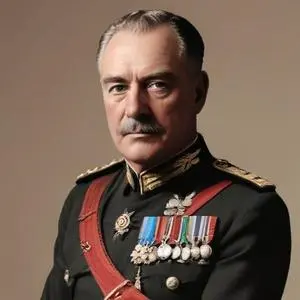
Douglas Haig, 1st Earl Haig: The Controversial Commander of the British Army
A Leader of World War I
Douglas Haig, 1st Earl Haig, is remembered as the senior officer of the British Army who commanded the British Expeditionary Force (BEF) on the Western Front during World War I. He led the BEF through some of the war's most pivotal battles, including the Battle of the Somme, the Battle of Arras, and the Hundred Days Offensive.
Rise to Prominence
Born on June 19, 1861, Haig's military career began in the late 19th century, when he served in the War Office. It was during this time that he played a significant role in the creation of the Territorial Force in 1908. His leadership skills and strategic thinking earned him rapid promotions, and by January 1917, he was promoted to the rank of Field Marshal.
World War I and the Western Front
Haig's wartime leadership was marked by controversy, with critics accusing him of being overly aggressive and insensitive to the high casualty rates suffered by his troops. The Battle of the Somme, which lasted from July to November 1916, is often cited as an example of Haig's perceived recklessness, with over 1 million casualties on both sides. However, Haig's supporters argue that his tactics were necessary to break the stalemate on the Western Front and ultimately contributed to the Allied victory.
Key Battles and Campaigns
- Battle of the Somme (1916)
- Battle of Arras (1917)
- Third Battle of Ypres (1917)
- German Spring Offensive (1918)
- Hundred Days Offensive (1918)
Legacy and Controversy
Haig's legacy is marked by controversy, with some historians praising his leadership and others criticizing his tactics. The Canadian War Museum notes that his epic offensives have become synonymous with the carnage and futility of World War I battles. Despite this, Haig's funeral in 1928 was a day of national mourning, and he was remembered as a hero in the years immediately following the war.
Quotes and Memorable Sayings
- "Every position must be held to the last man: there must be no retirement." - Haig, during the Battle of the Somme
P Philosophical Contributions and Beliefs
Haig was known for his strong sense of duty and loyalty to the British Empire. He believed in the importance of discipline and loyalty within the military, and his leadership style reflected these values.
Personal Life and Milestones
Haig married Dorothy Vivian in 1905, and the couple had four children together. He was a keen horseman and enjoyed hunting and polo.
Net Worth and Financial Impact
Haig's military career and subsequent titles brought him a significant amount of wealth and prestige. His net worth at the time of his death was estimated to be around £10,000 (approximately £500,000 today).
Influence on Modern Society
Haig's legacy continues to be felt in modern society, with his name becoming synonymous with the trenches and battles of World War I. His leadership style and tactics remain a topic of debate among historians and military strategists.
Historical Context and Legacy
Haig's leadership during World War I must be viewed within the context of the time. His actions and decisions were influenced by the military doctrine and technological limitations of the era. Despite this, his legacy serves as a reminder of the devastating consequences of war and the importance of responsible leadership.
FAQ
What was Douglas Haigs role in World War I?
Douglas Haig was a senior commander of the British Expeditionary Force during World War I, playing a crucial role in several key battles, including the Battle of the Somme and the Battle of Passchendaele.
What were Douglas Haigs military tactics?
Douglas Haigs military tactics were characterized by his belief in the importance of artillery bombardments and infantry charges. He was also known for his use of cavalry in battle.
What was Douglas Haigs relationship with his troops?
Douglas Haig was known for his concern for the welfare of his troops, often visiting them in the trenches and listening to their concerns. He was a respected leader, known for his courage and determination.
What was Douglas Haigs role in the development of modern warfare?
Douglas Haigs experiences during World War I helped shape the development of modern warfare, influencing the development of tactics and strategy in future conflicts.
How is Douglas Haig remembered in British history?
Douglas Haig is remembered as a hero of World War I, known for his bravery, leadership, and commitment to his country. He is also remembered for his role in shaping the course of modern warfare.