


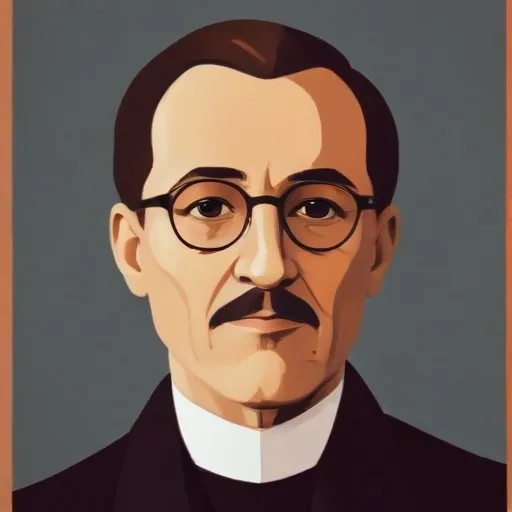
A 19th-century German poet and academic, known for his lyrical and introspective poetry that explored themes of love, nature, and the human condition.
Eduard Mrike, a renowned German Lutheran pastor, poet, and writer of novellas and novels, left an indelible mark on the literary world. His poetic works, largely influenced by classical studies, were set to music and became established folk songs, while others were used in symphonic works by notable composers like Hugo Wolf and Ignaz Lachner.
Mrike was born on September 8, 1804, in Ludwigsburg, Germany, to Karl Friedrich Mrike, a district medical councilor, and Charlotte Bayer. Following his father's death in 1817, he lived with his uncle Eberhard Friedrich Georgii in Stuttgart, who intended for him to become a clergyman.
Mrike attended the Stuttgart Gymnasium illustre for a year before joining the Evangelical Seminary Urach in 1818. He then attended the Tbinger Stift from 1822 to 1826, where he studied classics, which significantly influenced his writing. At the Seminary, he formed long-lasting friendships with Wilhelm Hartlaub, Wilhelm Waiblinger, Ludwig Bauer, David Friedrich Strauss, and Friedrich Theodor Vischer.
Mrike's friendships played a significant role in shaping his literary career. He and Ludwig Bauer invented the fairyland Orplid, which inspired the poem "Song Weylas" (You are Orplid), dated 1831. His friendship with Pastor Wilhelm Hartlaub led to a productive stay in Wermutshausen, where he produced a drawing of the local Petruskirche.
Mrike's literary works, characterized by romanticism and classical influences, have had a lasting impact on German literature. His poems, often set to music, have become an integral part of German folk culture. The symphonic works of Hugo Wolf and Ignaz Lachner, featuring Mrike's poems, have cemented his legacy in the realm of classical music.
Mrike's literary works reflect his deep understanding of classical studies and his romantic worldview. His poems often explored themes of nature, love, and the human condition, showcasing his philosophical inclinations.
Mrike's literary works have had a lasting impact on German literature and folk culture. His poems, set to music, continue to be an integral part of German cultural heritage. His influence can be seen in the works of later romantic poets and novelists, cementing his legacy as a prominent figure in German literary history.
Born in 1759
A renowned poet and playwright who crafted influential works that explored the human condition, morality, and the struggle for freedom, leaving a lasting impact on German literature.
Born in 1787
A 19th-century German literary figure who wrote romantic poetry and studied medieval history and literature, known for his lyrical and patriotic works. He's a significant contributor to the German literary canon.
Born in 1786
A German Romantic poet and writer, known for his dark and mystical works, including the famous poem "The Seeress of Prevorst", which explores themes of mysticism and the supernatural.
Born in 1830
A German literary mastermind, renowned for his poetic and dramatic works that explored the human condition, earning him the Nobel Prize in Literature in 1910.
