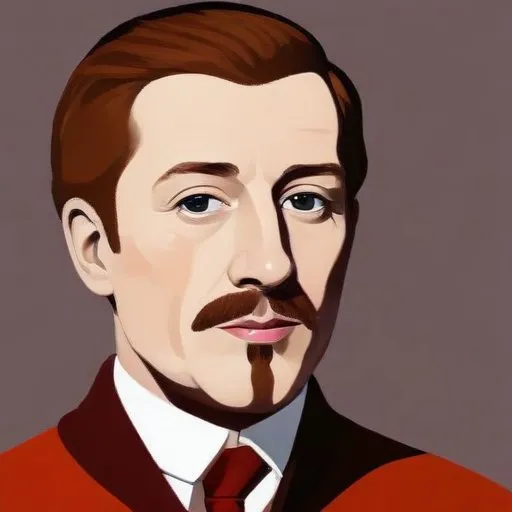
Edward Seymour, 1st Earl of Hertford: The Rogue Nobleman Behind the Throne
A Life of Love, Scandal, and Politics
Edward Seymour, 1st Earl of Hertford, is notorious for incurring the displeasure of Queen Elizabeth I by taking part in more than one clandestine marriage. This rebellious streak, combined with his royal connections and influential family, would shape his life as a statesman, courtier, and philanderer.
A Family of Influence
Born on May 22, 1539, Edward Seymour was the eldest son of Edward Seymour, 1st Duke of Somerset, and Anne Stanhope. As a nephew of
Jane Seymour, the third wife of Henry VIII, and a first cousin of
Edward VI, Edward's family ties placed him at the epicenter of Tudor politics.
The Education of a Statesman
Edward was educated alongside Prince Edward, later Edward VI, and was knighted on the occasion of the young king's coronation. This privileged upbringing acquainted him with the intricacies of court politics and prepared him for a life of service to the crown.
Rise and Fall: The Early Years
When his father was created Duke of Somerset in 1547, Edward became styled as Earl of Hertford. However, his father's later downfall and execution in 1552 led to Edward's titles and most of his wealth being revoked. Edward VI restored some of his father's lands and property to him, but he still relied on Sir John Thynne for financial support.
Redemption and Restoration
Under Queen Mary, Edward was restored in blood, but not given back his title. It wasn't until 1559 that Queen Elizabeth I created him Earl of Hertford in the earldom's third creation. This marked a turning point in Edward's life, as he began to rebuild his reputation and influence.
Diplomatic Missions and Clandestine Love
In 1605, King James I sent Edward on an embassy to
Albert VII, Archduke of Austria, sovereign of the Spanish Netherlands, following the Treaty of London. This diplomatic mission was sandwiched between his two most notorious clandestine marriages, which earned him the ire of Queen Elizabeth I.
A Legacy of Love and Controversy
Edward Seymour's life was a tapestry of love, scandal, and politics. Though he died on April 6, 1621, his legacy as a rogue nobleman behind the throne continues to fascinate historians and enthusiasts alike.
Explore the fascinating story of Edward Seymour, 1st Earl of Hertford, and discover the intrigue and romance that defined his life as a statesman, courtier, and philanderer.
- Early Life: 1539 - Born to Edward Seymour, 1st Duke of Somerset, and Anne Stanhope
- Education: Educated alongside Prince Edward, later Edward VI, and knighted on the occasion of his coronation
- Titles: Styled as Earl of Hertford (1547), created Earl of Hertford (1559)
- Diplomatic Missions: Embassy to Albert VII, Archduke of Austria (1605)
- Clandestine Marriages: Incurring the displeasure of Queen Elizabeth I (multiple times)
- Legacy: A testament to love, scandal, and politics in the Tudor era
Delve into the world of Tudor politics and romance with Edward Seymour, 1st Earl of Hertford, a true original in the annals of history.
FAQ
What was Edward Seymours role in the English Reformation?
Edward Seymour, 1st Earl of Hertford, played a key role in the English Reformation as a prominent Protestant leader. He was a close advisor to King Edward VI and helped to shape the Church of Englands early policies.
Who was Edward Seymours wife and what was her significance?
Edward Seymour was married to Katherine Grey, a noblewoman who was a claimant to the English throne. Their marriage was significant because it helped to strengthen Seymours claim to power and influence during the reign of King Edward VI.
What were Edward Seymours military achievements?
Edward Seymour was a skilled military leader who led several successful campaigns during the Italian War of 1542-1546. He was also involved in the Siege of Boulogne, a key battle in the war.
What was Edward Seymours relationship with King Edward VI?
Edward Seymour was a close advisor and uncle to King Edward VI, who ruled England from 1547 to 1553. Seymour played a key role in shaping the young kings policies and was one of the most powerful men in England during this period.
What was the significance of Edward Seymours earldom?
Edward Seymour was created Earl of Hertford by King Edward VI, making him one of the most powerful nobles in England. His earldom was significant because it represented the peak of his power and influence during the reign of King Edward VI.