


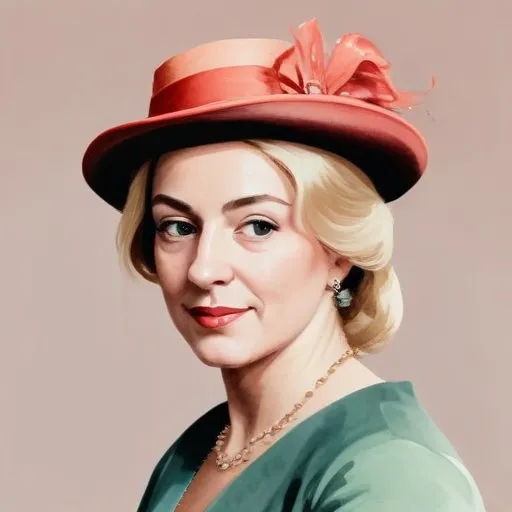
A prominent 18th-century literary figure, known for her influential salon gatherings that fostered intellectual discussions and her insightful writings on Shakespeare's plays. Her works showcased a deep understanding of literature and its cultural significance.
Elizabeth Montagu, a renowned British socialite, writer, and patron of the arts, is celebrated for her pivotal role in shaping the literary landscape of 18th-century England. As the leader of the Blue Stockings Society, a gathering of intellectuals and writers, Montagu fostered a culture of literary criticism, intellectual curiosity, and philanthropy, earning her the sobriquet "Queen of the Bluestockings."
Born on October 2, 1718, in Yorkshire, England, Montagu was the eldest of three daughters to Matthew Robinson and Elizabeth Drake Robinson. Her family's strong ties to the British peerage and learned life exposed her to a world of literature, art, and intellectual pursuits from a young age. As a child, Montagu spent extended periods with her grandmother, Sarah Morris, who was married to Conyers Middleton, a prominent Cambridge don. Under Middleton's guidance, Montagu developed a deep love for literature, languages, and history, which would later define her life's work.
Montagu's friendship with Lady Margaret Harley, later the Duchess of Portland, introduced her to the vibrant cultural scene of 1730s London. As a frequent visitor to Lady Margaret's household, Montagu rubbed shoulders with luminaries such as Edward Young and Gilbert West, further solidifying her passion for literature and intellectual discourse. In 1742, she married Edward Montagu, a wealthy landowner, and became one of the richest women of her era. Her marriage allowed her to dedicate her life to promoting English and Scottish literature, as well as providing relief to the poor.
In the 1750s, Montagu established the Blue Stockings Society, a gathering of intellectuals, writers, and artists who shared her passion for literature and learning. This salon, which met at Montagu's London townhouse, became a hub for lively debates, literary critiques, and mentorship. The society's members, including prominent figures such as Samuel Johnson and Joshua Reynolds, benefited from Montagu's patronage, guidance, and unwavering support. As the society's leader, Montagu fostered a culture of inclusivity, encouraging women to participate in intellectual pursuits and promoting the work of emerging writers.
Montagu's own literary contributions are significant, including her published works on Shakespeare and the poetry of her contemporaries. Her letters, which number over 8,000, offer valuable insights into the cultural and literary landscape of 18th-century England. As a patron, Montagu provided financial support to struggling writers, including the likes of Hannah More and Frances Burney. Her unwavering dedication to promoting English literature has earned her a lasting legacy as a champion of literary excellence.
Throughout her life, Montagu remained committed to social reform and philanthropy. She worked tirelessly to improve the lives of the poor, particularly women and children, through her support of charitable organizations and educational initiatives. Montagu's efforts to promote education, healthcare, and social welfare have inspired generations of social reformers and philanthropists.
Elizabeth Montagu's remarkable life serves as a testament to the power of intellectual curiosity, philanthropy, and dedication to the arts. As a trailblazing figure in 18th-century English literature, Montagu's legacy continues to inspire new generations of writers, thinkers, and social reformers.
Born in 1759
A pioneering advocate for women's rights and education, this 18th-century thinker wrote influential works that shaped feminist philosophy and literature.
Born in 1752
Wrote influential and witty novels of manners, offering insight into 18th-century English society, particularly through her iconic novel "Evelina".
Born in 1768
This Anglo-Irish author is celebrated for her influential novels of manners, which offered insightful commentary on the social and cultural norms of her time, particularly in Ireland. Her works are still studied for their historical significance and literary merit.
Born in 1775
A celebrated author of witty, romantic novels of manners that offer insightful commentary on 19th-century English society, particularly the lives of women. Her works remain beloved for their strong female characters, clever dialogue, and nuanced exploration of relationships.
Born in 1797
Author of Gothic novels, particularly the iconic "Frankenstein", which has become a cultural phenomenon and influenced countless adaptations and reinterpretations.
