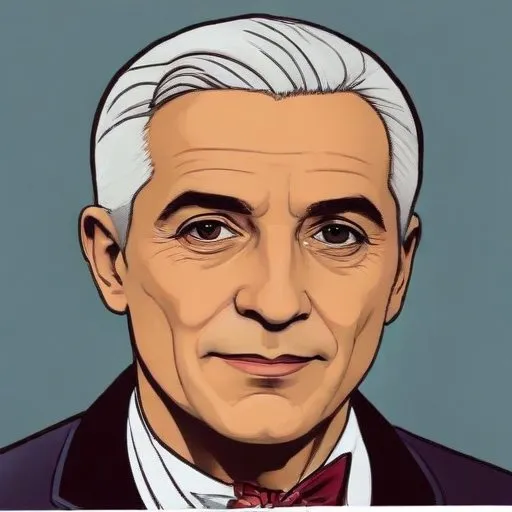
Ettore Marchiafava: The Pioneer of Malariology and Beyond
A Life of Groundbreaking Discoveries
Ettore Marchiafava was an Italian physician, pathologist, and neurologist who laid the foundation for modern malariology through his groundbreaking research. Alongside Angelo Celli, he was the first to identify and describe living malarial parasites in human blood, ultimately giving the formal scientific name Plasmodium to these parasites in 1885.
Early Life and Education
Born on January 3, 1847, in Rome, Italy, Marchiafava was the son of Francesco Marchiafava and Marianna Vercelli. He graduated in medicine and surgery from the University of Rome (now Sapienza Università di Roma) in 1869, earning a gold medal for his outstanding academic achievement. He went on to earn his doctorate degree in 1872.
Academic Career and Contributions
Marchiafava's academic career was marked by numerous milestones and contributions. He worked as an assistant to Tommasi Crudeli at the pathology department of the University of Rome, eventually becoming an associate professor in 1881 and a full professor in 1885. He succeeded Crudeli as chair of the department in 1886 and later became chair of medicine in 1916.
Medical Breakthroughs
Marchiafava's research led to several significant discoveries, including:
- The identification of Plasmodium as the causative agent of malaria
- The discovery of meningococcus as the causative agent of cerebral and spinal meningitis
- The description of syphilitic cerebral arteritis and degeneration of the brain in an alcoholic patient, now known as Marchiafava's disease
- The description of a genetic disease of the blood, now known as Paroxysmal nocturnal hemoglobinuria or Strübing-Marchiafava-Micheli syndrome
Honors and Accolades
Marchiafava's contributions to the field of medicine earned him numerous honors and accolades, including:
- Election to the Senate of the Kingdom of Italy in 1913
- Membership in the Accademia dei Lincei, becoming its vice-president in 1933
- Personal physician to three successive popes and the House of Savoy
Legacy and Impact
Marchiafava's work has had a lasting impact on the field of medicine, particularly in the area of malariology. His discoveries paved the way for further research and understanding of the disease, ultimately contributing to the development of effective treatments. His legacy extends beyond his scientific contributions, as he was also a dedicated educator and mentor, inspiring generations of medical professionals.
A Life of Service and Dedication
Marchiafava's commitment to his work and his patients was unwavering. He founded the first Italian antituberculosis sanatorium in Rome, demonstrating his dedication to improving public health. Throughout his life, he remained true to his calling, leaving behind a legacy of groundbreaking research, medical breakthroughs, and a lasting impact on the field of medicine.
FAQ
What contributions did Ettore Marchiafava make to medicine?
Ettore Marchiafava was an Italian physician who made significant contributions to the field of medicine, particularly in the study of malaria and its transmission. He is credited with discovering the parasite responsible for malaria, Plasmodium vivax.
What is the significance of Ettore Marchiafavas discovery?
Marchiafavas discovery of the Plasmodium vivax parasite led to a better understanding of malaria and its transmission, paving the way for the development of effective treatments and prevention methods. His work also contributed to the eradication of malaria in many parts of the world.
What awards did Ettore Marchiafava receive for his work?
Ettore Marchiafava received several awards and honors for his groundbreaking research, including the Copley Medal from the Royal Society in 1907.
What was Ettore Marchiafavas role in the discovery of quinine?
Marchiafava played a key role in the discovery of quinine, a medication used to treat malaria, by identifying its effectiveness in combating the disease.
What is Ettore Marchiafavas legacy in the medical community?
Ettore Marchiafavas pioneering work in the field of malaria research has had a lasting impact on the medical community, and he is remembered as a trailblazer in the fight against infectious diseases.