


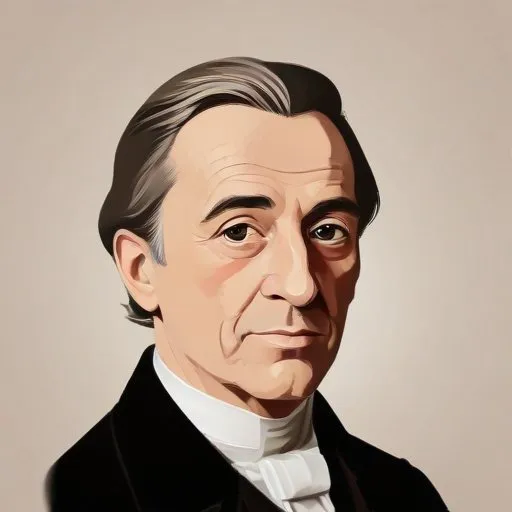
A French composer and conductor, known for his contributions to the development of wind band music, particularly his concertos and suites for solo instruments and ensembles.
Renowned for his profound contributions to the realm of chamber music, Eugene Bozza was a French composer and violinist who left an indelible mark on the world of classical music. With a prolific career spanning over six decades, Bozza is celebrated for his innovative and intricate compositions that continue to captivate audiences worldwide.
Born on April 4, 1905, in Nice, France, Bozza was exposed to the world of music from a tender age. His father, Umberto Bozza, an Italian musician, and his French mother, Honor Molina, nurtured his early fascination with music. Under the expert guidance of his father, Bozza began studying the violin at the age of five and quickly demonstrated exceptional talent.
In 1915, Bozza and his father relocated to Italy to escape the turmoil of World War I. During his time in Rome, Bozza studied violin, piano, and solfège at the Accademia Nazionale di Santa Cecilia, graduating in 1919 with a diploma as Professor of Violin. He then returned to France and enrolled in the prestigious Conservatoire de Paris in 1922, where he studied violin with Édouard Nadaud.
Bozza's extraordinary talent and dedication earned him the Conservatory's Premier Prix for violin in 1924. This recognition led to his appointment as concert master at the Pasdeloup Orchestra, a position he held for five years. During this period, he toured extensively throughout Europe, solidifying his reputation as a virtuosic violinist.
In 1929, Bozza resigned from the orchestra and returned to the Conservatory to study conducting with Henri Rabaud. This marked a significant shift in his career, as he began to focus on composition and conducting. His compositions during this period showcased his unique blend of lyricism and technical precision, earning him widespread acclaim.
Bozza's chamber music compositions are considered some of his most outstanding works. His pieces for wind instruments, in particular, are celebrated for their intricate harmonies and melodic beauty. His contributions to the genre have been instrumental in shaping the course of chamber music, influencing generations of composers and musicians.
Throughout his illustrious career, Bozza composed over 250 works, including five symphonies, operas, ballets, and numerous chamber music pieces. His music has been performed by renowned orchestras and ensembles worldwide, cementing his status as one of the most important French composers of the 20th century.
Eugene Bozza's profound impact on the world of classical music is a testament to his dedication, creativity, and innovative spirit. As a composer, violinist, and conductor, he has left an indelible mark on the chamber music genre, inspiring generations of musicians and composers to come.
Bozza married Juliette Arnaud in 1924, with whom he had a son, Pierre, in 1925. He passed away on September 28, 1991, leaving behind a rich legacy that continues to enchant audiences worldwide.
Born in 1892
A French composer and educator who blended jazz and classical music to create a unique sound, and is best known for his ballet scores and chamber music compositions.
Born in 1892
A French composer and educator, he blended classical and modern styles, creating iconic works like "Pacific 231" that evoke powerful images and emotions.
Born in 1890
A French composer and educator, known for his eclectic and witty style, blending jazz, opera, and classical music, creating iconic film scores and concertos.
Born in 1916
A renowned French pianist, composer, and educator, he was a prominent figure in 20th-century classical music, celebrated for his unique and innovative compositions.
Born in 1925
A renowned French musician who revolutionized classical music with his avant-garde compositions and innovative conducting style, pushing boundaries and redefining the genre.
Born in 1908
A French composer and ornithologist who merged birdsong with avant-garde music, creating a unique and influential sound. His work continues to inspire musicians and bird enthusiasts alike.
Born in 1899
A renowned French pianist and composer, celebrated for his eclectic and innovative works that blend jazz, classical, and sacred music, leaving a lasting impact on modern classical music.
Born in 1905
A French composer who blended modernist techniques with ancient and exotic influences, creating a unique sound that explored the intersection of Western and non-Western musical traditions.
