


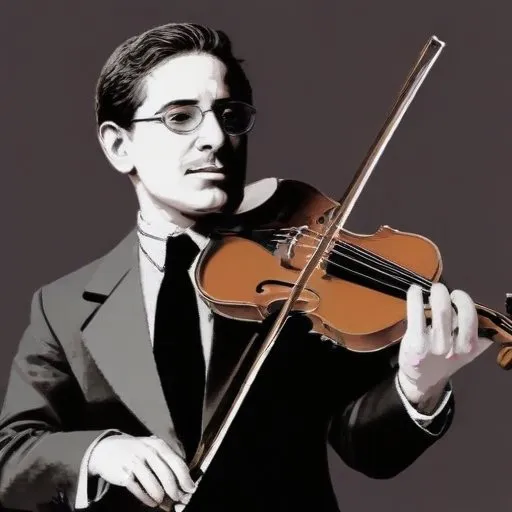
A virtuosic violinist and composer, he wrote concertos and symphonies that showcased his mastery of Baroque music, leaving a lasting impact on the classical genre.
Evaristo Felice DallAbaco, a renowned Italian composer, violinist, and cellist, is celebrated for his remarkable contributions to the world of chamber music. His mastery of the violin and cello, paired with his innovative compositional style, earned him a prestigious position as Concertmeister at the court of Maximilian II Emanuel, Elector of Bavaria.
Born on July 12, 1675, in Verona, Italy, DallAbaco was the son of Damiano dallAbaco, a celebrated guitarist. He is believed to have been a pupil of Torelli, from whom he learned the intricacies of the violin and cello. This training laid the foundation for his future success as a composer and musician.
In 1704, DallAbaco joined the court of Maximilian II Emanuel, Elector of Bavaria, as a Kammermusiker (chamber musician). His exceptional talent soon earned him recognition, and he was appointed Concertmeister in 1715. During this period, he was exposed to various musical influences, including those from France and the Netherlands, which he absorbed and incorporated into his compositions.
DallAbaco's music is characterized by its lyricism, elegance, and technical precision. His works are heavily influenced by the styles of Vivaldi and Corelli, his contemporaries. His compositions often feature complex harmonies, innovative instrumental textures, and a deep understanding of the capabilities of the violin and cello.
DallAbaco published five opuses during his lifetime, showcasing his mastery of various genres, including sonatas, concertos, and chamber music. His Opus 1, 12 Sonate da Camera, is particularly notable for its innovative use of the violin and cello in a chamber music setting. Today, his music is recognized as a significant contribution to the development of classical music, and his works continue to be performed and admired by audiences worldwide.
While in Brussels, DallAbaco fathered Joseph Abaco, who would go on to become a renowned composer in his own right. After a successful career, DallAbaco retired in 1740, devoting the remainder of his life to his family and personal pursuits. He passed away on July 12, 1742, his 67th birthday, leaving behind a rich legacy of music that continues to inspire and delight audiences.
Through his remarkable compositions and performances, Evaristo Felice DallAbaco has left an indelible mark on the world of classical music. His innovative style, technical mastery, and profound influence on his contemporaries have cemented his place as one of the most important figures in the development of chamber music.
Born in 1678
A virtuosic violinist and prolific composer, he crafted over 400 concertos, including "The Four Seasons," which remains a beloved and iconic masterpiece of classical music.
Born in 1685
A master of Baroque music, he composed over 1,000 works, including orchestral suites, cantatas, and passions, that still inspire and influence musicians today. His innovative use of counterpoint and harmony raised the bar for classical music.
Born in 1685
A renowned Baroque composer and organist, famous for creating majestic orchestral suites, operas, and oratorios, including the iconic "Messiah" masterpiece.
Born in 1782
A virtuosic violinist and composer who revolutionized the instrument's technical possibilities, leaving an indelible mark on classical music.
Born in 1756
A child prodigy and master of classical music, he composed over 600 works, including symphonies, operas, and chamber music, that continue to inspire and influence musicians today.
Born in 1770
A musical genius who expanded the possibilities of classical music, creating iconic symphonies and piano sonatas that continue to inspire and influence generations of artists.
Born in 1685
A virtuosic harpsichordist and composer, renowned for crafting over 550 sonatas that showcased his innovative and expressive style, blending Italian and Portuguese influences. 42
Born in 1692
A virtuosic violinist and composer who wrote over 150 concertos and sonatas, known for his technically demanding and expressive works that showcased his mastery of the instrument.
