


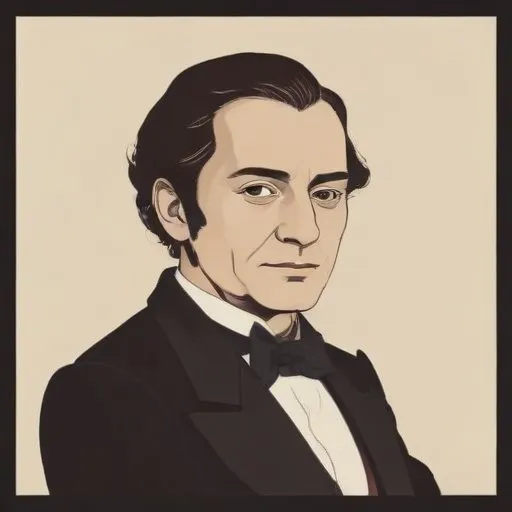
Austrian pianist and composer known for his contributions to the development of the Classical piano concerto, leaving behind a legacy of over 100 concertos. His music showcases a unique blend of Viennese elegance and Bohemian flair.
Ferdinand Kauer was an Austrian composer and pianist, renowned for his captivating Singspiele, a genre of German-language opera that blended music, drama, and spoken dialogue. With over 200 operas and Singspiele to his name, Kauer's contributions to the world of music are still celebrated today.
Born on January 18, 1751, in Klein-Thaya, South Moravia (now Dyjákovice, Czech Republic), Kauer's love for music was evident from an early age. He studied in Znojmo, Tyrnau, and Vienna, honing his skills as a pianist and composer.
In 1777, Kauer settled in Vienna, where he joined Karl von Marinelli's newly formed company as leader and conductor of the orchestra. This marked the beginning of his illustrious career in music.
Kauer's breakthrough came with the success of Das Faustrecht in Thüringen (1796-1797), followed by
Kauer's influence on the world of music is multifaceted. He composed several tutorial methods for violin, flute, piano, and singing, showcasing his dedication to music education.
As the Kapellmeister of the Theater in der Leopoldstadt and Theater in der Josefstadt in Vienna, Kauer played a significant role in shaping the city's musical landscape.
In 1830, a devastating flood destroyed Kauer's possessions, including most of his scores. Despite this setback, he continued to work as the second viola player at the Theater in der Leopoldstadt orchestra until his death in Vienna on April 13, 1831.
Ferdinand Kauer's remarkable body of work has left an indelible mark on the world of music. His Singspiele, operas, and educational compositions continue to inspire and delight audiences today.
Kauer's legacy extends beyond his own works, with his influence evident in the development of German-language opera and music education. His contributions to the world of music are a testament to his dedication, talent, and perseverance.
Born in 1756
A child prodigy and master of classical music, he composed over 600 works, including symphonies, operas, and chamber music, that continue to inspire and influence musicians today.
Born in 1770
A musical genius who expanded the possibilities of classical music, creating iconic symphonies and piano sonatas that continue to inspire and influence generations of artists.
Born in 1797
A renowned composer of symphonies, operas, and chamber music, particularly famous for his emotional and expressive lieder (art songs) that showcased his mastery of melody and harmony.
Born in 1732
A renowned composer and pianist of the Classical period, known for his symphonies, operas, and chamber music that showcased his innovative and expressive style. He played a significant role in shaping the Classical music era.
Born in 1750
A renowned 18th-century composer and conductor, known for his operas and rivalry with Mozart, as depicted in the movie Amadeus.
Born in 1714
A pioneering opera composer who revolutionized the art form with his innovative and expressive works, blending music and drama in a way that captivated audiences.
Born in 1782
A virtuosic violinist and composer who revolutionized the instrument's technical possibilities, leaving an indelible mark on classical music.
Born in 1833
A renowned pianist and composer, he crafted complex, expressive works that blended traditional and innovative techniques, leaving an indelible mark on classical music.
