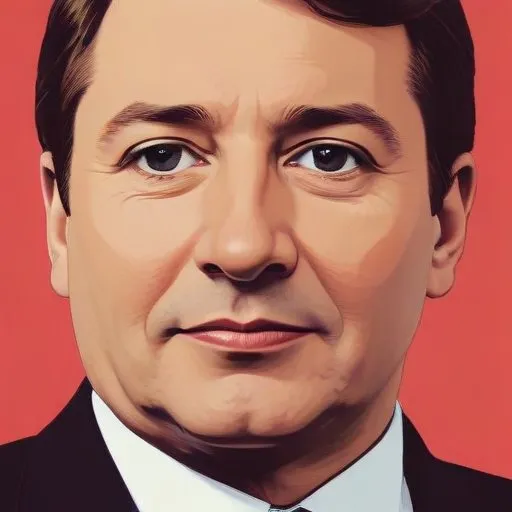
Flix de Blochausen: The Luxembourgish Statesman Who Shaped a Nation
A Life Dedicated to Public Service
Flix de Blochausen was a Luxembourgish politician who left an indelible mark on his country's history, serving as its sixth prime minister from 1874 to 1885. During his tenure, he implemented far-reaching reforms in education and justice, cementing his legacy as a champion of progress and modernization.
Early Life and Career
Born on March 5, 1834, to Frederic Joseph Prosper de Blochausen, the Chancellor of State of Luxembourg in The Hague, Flix was destined for a life of public service. He began his career as a lawyer and member of the Chamber of Deputies, before becoming the Director-General Minister for the Interior in the government of Victor de Tornaco from 1866 to 1867. He later served as President of the Chamber of Deputies from 1872 to 1873.
Prime Ministerial Tenure
On December 26, 1874, de Blochausen was appointed prime minister and Director-General for Foreign Affairs, following the resignation of Emmanuel Servais. During his tenure, he introduced reforms that had a profound impact on Luxembourgish society. One of his most significant achievements was the reform of primary education, making it obligatory for children to attend school for six years, from ages 6 to 12. This move sparked heated debates about the role of the state in society and its relationship with the church.
Domestic Policy and Reforms
De Blochausen's government introduced a range of reforms that transformed Luxembourg's justice system and education sector. The criminal code was reformed, and education was made a priority, with the state taking a more prominent role in organizing public education. Although the church retained some influence over education, the reform marked a significant shift towards a more secular approach to education.
Post-Government Career and Honors
After resigning as prime minister in 1885, de Blochausen went on to serve as the president of the Socit agricole grand-ducale from 1893 until his death in 1915. He was awarded several honors for his service, including the Grand Cordon in the Order of Leopold, the Grand Cross in the Order of the Oak Crown, and the Grand Cross in the Order of the Netherlands Lion, among others.
Legacy and Impact
Flix de Blochausen's legacy is a testament to his unwavering commitment to public service and his vision for a modern, progressive Luxembourg. His reforms have had a lasting impact on the country's education system and justice sector, shaping the nation into what it is today. As a statesman, he demonstrated a unique ability to balance the interests of the state, the church, and the people, leaving behind a legacy that continues to inspire and influence Luxembourgish politics.
- Grand Cordon in the Order of Leopold
- Grand Cross in the Order of the Oak Crown
- Grand Cross in the Order of the Netherlands Lion
- Grand Cross Order of the Falcon, Saxe
Personal Life and Death
Flix de Blochausen passed away on November 15, 1915, at his birthplace, Birtrange Castle, leaving behind a rich legacy that continues to shape Luxembourg's history.
FAQ
What were Félix de Blochausens achievements as Prime Minister of Luxembourg?
Félix de Blochausen served as the 6th Prime Minister of Luxembourg, implementing policies that promoted economic growth and social reform. During his tenure, he played a key role in maintaining Luxembourgs neutrality during the Franco-Prussian War.
What was Félix de Blochausens role in Luxembourgs independence?
Félix de Blochausen was a strong advocate for Luxembourgs independence, working to maintain the countrys sovereignty and neutrality in the face of European conflicts.
How did Félix de Blochausen contribute to Luxembourgs economic development?
Félix de Blochausen implemented policies that promoted economic growth and industrialization in Luxembourg, paving the way for the countrys future prosperity.
What was Félix de Blochausens stance on social reform?
Félix de Blochausen was a proponent of social reform, advocating for improvements to education, healthcare, and workers rights during his time as Prime Minister.
What is Félix de Blochausens legacy in Luxembourgs history?
Félix de Blochausens legacy in Luxembourgs history is that of a dedicated statesman who worked tirelessly to maintain the countrys independence and promote economic growth and social reform.