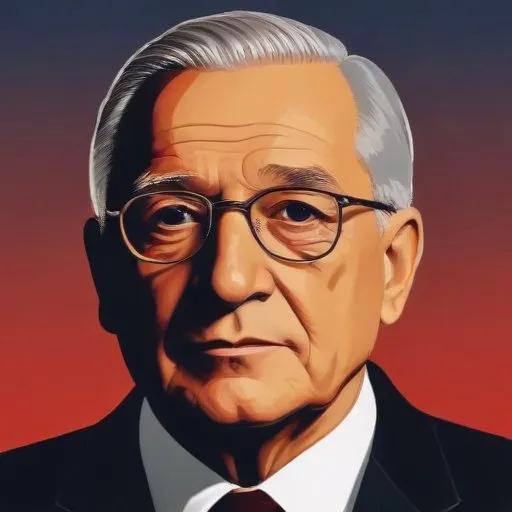
Walter Hallstein: The Architect of European Integration
A Pioneering Statesman and Diplomat
Walter Hallstein was a renowned German academic, diplomat, and statesman who played a pivotal role in shaping the modern European Union. As the first president of the Commission of the European Economic Community, he laid the foundation for a united and prosperous Europe.
Early Life and Academic Career
Born on November 17, 1901, in Mainz, Germany, Hallstein's academic career began in the 1920s Weimar Republic. He became Germany's youngest law professor at the age of 29 in 1930, marking the start of a distinguished career in academia.
War and Captivity
During World War II, Hallstein served as a First Lieutenant in the German Army in France. Captured by American troops in 1944, he spent the rest of the war in a prisoner-of-war camp in the United States. It was during this time that he organized a camp university for his fellow soldiers, showcasing his leadership skills and dedication to education.
Diplomatic Career
After the war, Hallstein returned to Germany and continued his academic career. He became rector of the University of Frankfurt in 1946 and spent a year as a visiting professor at Georgetown University from 1948. In 1950, he was recruited to a diplomatic career, becoming the leading civil servant at the German Foreign Office.
The Hallstein Doctrine
At the German Foreign Office, Hallstein gave his name to the Hallstein Doctrine, West Germany's policy of isolating East Germany diplomatically. This policy played a significant role in shaping West Germany's foreign policy during the Cold War era.
European Integration
A keen advocate of a federal Europe, Hallstein played a key role in West German foreign policy and then in European integration. He was one of the architects of the European Coal and Steel Community and the first President of the Commission of the European Economic Community, which would later become the European Union.
A European Prime Minister
Hallstein famously described his role as a kind of European prime minister and dismissed national sovereignty as a doctrine of yesteryear. As the first president of the Commission of the European Economic Community, he held the office from 1958 to 1967 and was the only German to be selected as president of the European Commission or its predecessors until the selection of
Ursula von der Leyen in 2019.
Later Life and Legacy
After leaving office, Hallstein turned to German politics as a member of the Bundestag. He also served as President of the European Movement from 1968 to 1974. Hallstein was a prolific author, penning books and numerous articles and speeches on European integration and international relations.
Quotes and Memorable Sayings
- "National sovereignty is a doctrine of yesteryear."
- "I am a kind of European prime minister."
Historical Context and Legacy
Walter Hallstein's legacy is a testament to his unwavering commitment to European integration and cooperation. His pioneering work laid the foundation for a united and prosperous Europe, and his influence can still be felt today. As a statesman, diplomat, and academic, Hallstein's contributions to modern European history are undeniable.
FAQ
What was Walter Hallsteins role in European politics?
Walter Hallstein was a German academic and politician who served as the first President of the European Commission from 1958 to 1967. He played a key role in shaping the European Economic Community (EEC) and promoting European integration.
What was Walter Hallsteins academic background?
Walter Hallstein studied law and economics at the University of Berlin and later earned a doctorate in law. He became a professor of law at the University of Frankfurt am Main before entering politics.
What were Walter Hallsteins key policies as President of the European Commission?
Walter Hallstein implemented several key policies, including the creation of the European Common Market, the establishment of the European Agricultural Guidance and Guarantee Fund, and the promotion of European economic integration.
How did Walter Hallsteins work impact European integration?
Walter Hallsteins leadership played a crucial role in shaping the European Economic Community and laying the foundations for the modern European Union. His work helped to promote economic integration, cooperation, and unity among European nations.
What is Walter Hallsteins legacy in European politics?
Walter Hallsteins contributions to European politics are remembered as a key milestone in the history of European integration. He is revered as a visionary leader who helped to pave the way for a united and prosperous Europe.