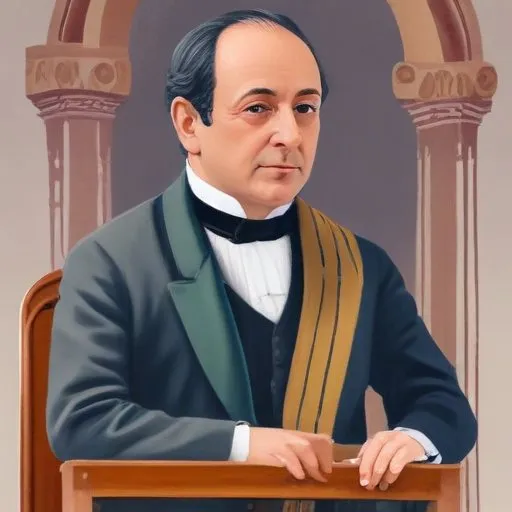
Francesco de Layolle: The Renaissance Composer Who Bridged Two Musical Worlds
A Synthesis of Franco-Flemish Polyphony and Italian Harmony
Francesco de Layolle, a renowned Italian composer and organist, is celebrated for being one of the first native Italians to merge the Franco-Flemish polyphonic style with the indigenous harmonic idioms of the Italian peninsula. His pioneering work in the Renaissance period paved the way for a new generation of composers, solidifying his position as a key figure in the evolution of sacred music.
Early Life and Education
Born on March 4, 1492, in Florence, Italy, Layolle joined the choir of the church Ss. Annunziata at the tender age of 13, where he was mentored by the distinguished composer and organist,
Bartolomeo degli Organi. This formative experience laid the foundation for his later work, as he went on to marry his teacher's sister-in-law, Maddalena Arrighi.
A Decade of Musical Growth in Florence
Prior to leaving Florence in 1518, Layolle honed his skills as a music teacher, counting the famed sculptor
Benvenuto Cellini among his students. Cellini would later describe Layolle as a "superb organist, musician, and composer." During this period, Layolle maintained close ties with several individuals who would later conspire against the Medici family in 1521.
Exile and Refuge in Lyon
Layolle's departure from Florence was followed by his relocation to Lyon in 1521, where he found refuge and continued to compose music. His connections in Florence proved beneficial, as he was able to shelter the conspirators who fled to Lyon, avoiding prosecution himself. As an organist at the cathedral of Notre Dame de Confort, Layolle's creative output flourished, with many of his compositions being published by his associate, Jacques Moderne, a prominent printer in France.
A Legacy of Music and Publication
Although much of Layolle's music has been lost over time, his published works provide a glimpse into his innovative style. His association with Moderne ensured that his compositions reached a wider audience, contributing to his lasting impact on the world of Renaissance music. A lament published in 1540, following his probable death that year, serves as a testament to Layolle's enduring legacy.
Influence and Legacy
Francesco de Layolle's unique blend of Franco-Flemish polyphony and Italian harmony has inspired generations of composers. His ability to bridge two distinct musical traditions has secured his place as a pivotal figure in the development of Renaissance sacred music. As a testament to his influence, Layolle's music continues to be studied and performed, ensuring his legacy endures for centuries to come.
Key Compositions and Publications
- Missa sine nomine (1523)
- Motetti a cinque voci (1525)
- Lamentationes Hieremiae prophetae (1540)
Awards and Honors
Although no specific awards or honors are attributed to Layolle, his contributions to the world of Renaissance music and his influence on subsequent composers have cemented his position as a leading figure in the evolution of sacred music.
FAQ
What was Francesco de Layolles profession?
Francesco de Layolle was an Italian organist and composer, active during the Renaissance period.
What type of music did Francesco de Layolle compose?
Francesco de Layolle composed primarily sacred music, including masses, motets, and hymns, as well as instrumental music for the organ.
What was Francesco de Layolles contribution to music?
Francesco de Layolle made significant contributions to the development of instrumental music, particularly for the organ, and is considered one of the earliest Italian organ composers.
Where did Francesco de Layolle work?
Francesco de Layolle worked primarily in Italy, serving as an organist and composer for various churches and cathedrals.
What is known about Francesco de Layolles personal life?
Little is known about Francesco de Layolles personal life, with most information available related to his professional life and musical output.