


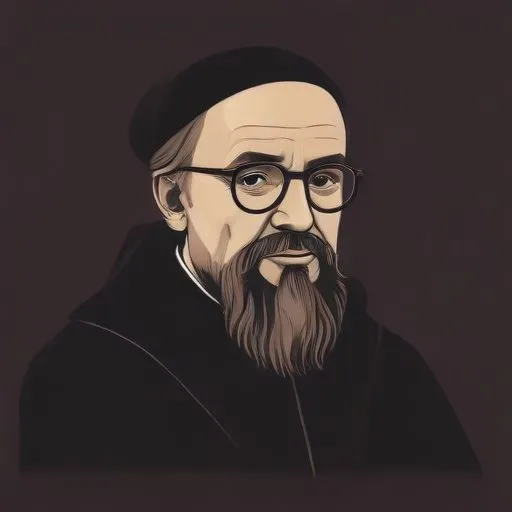
A Dutch theologian and academic who played a key role in the Synod of Dort, shaping Calvinist theology and contributing to the development of Reformed Christianity. He's also known for his disputes with Arminius, leading to the formation of Arminianism.
Franciscus Gomarus was a Dutch theologian and a leading figure in the development of Calvinist orthodoxy, known for his strong opposition to the teachings of Jacobus Arminius and his followers, and his significant contributions to the Synod of Dort in 1618-1619.
Born on January 30, 1563, in Bruges, Franciscus Gomarus was raised in a Reformed family that fled to the Electorate of the Palatinate in 1578 to escape persecution. He received his education under the guidance of prominent theologians, including Johann Sturm in Strasbourg, and Zacharius Ursinus, Hieronymus Zanchius, and Daniel Tossanus in Neustadt.
Gomarus' theological career spanned several decades, during which he held various positions, including pastor of a Dutch Reformed Church in Frankfurt from 1587 to 1593, and professor of theology at the University of Leiden from 1594. He was known for his strong Calvinist convictions and his opposition to the teachings of Jacobus Arminius, which he viewed as Pelagian.
The Synod of Dort, also known as the Synod of Dordrecht, was a pivotal event in the history of Calvinism, and Gomarus played a significant role in it. The synod, which took place in 1618-1619, was convened to address the theological disputes between the followers of Gomarus and those of Arminius. Gomarus was a key delegate at the synod, and his theological views significantly influenced the outcome of the debates.
Gomarus' theological contributions were significant, and he is remembered for his robust defense of Calvinist orthodoxy. His views on predestination, election, and the nature of salvation were deeply rooted in the teachings of John Calvin and were instrumental in shaping the Dutch Reformed tradition.
Franciscus Gomarus' legacy extends far beyond his theological contributions. He played a crucial role in shaping the identity of the Dutch Reformed Church and his views continue to influence Reformed theology to this day. His commitment to the principles of Calvinism has inspired generations of theologians and scholars, and his impact on the development of Christian theology is undeniable.
Franciscus Gomarus' life was marked by a deep commitment to his faith and a passion for theological inquiry. His contributions to Calvinist orthodoxy continue to inspire and inform Christian theology to this day.
Born in 1509
A French pastor and theologian who played a key role in the Protestant Reformation, shaping Christian theology and influencing Western civilization. He's famous for his teachings on predestination and his role in establishing Calvinism.
Born in 1519
A 16th-century French theologian and scholar who played a key role in shaping Protestantism, particularly Calvinism, through his writings and teachings. He's also known for his Greek New Testament translation.
Born in 1663
A Puritan minister and writer who advocated for the use of inoculation against smallpox and wrote influential books on witchcraft, including "Memorable Providences, Relating to Witchcrafts and Possessions".
60 Years Old
A British athlete who won gold at the 2000 Sydney Olympics and held the world triple jump record from 1995 to 2011, earning him a place in the UK Athletics Hall of Fame.
Born in 1797
A prominent 19th-century theologian who shaped Presbyterian doctrine and educated generations of clergy at Princeton Theological Seminary through his writings and teachings. He's known for his systematic theology and biblical commentary.
Born in 1854
A Dutch philosopher, theologian, and academic who developed a comprehensive Reformed theology, influencing Christian thought and education. He's known for his four-volume magnum opus, "Reformed Dogmatics".
