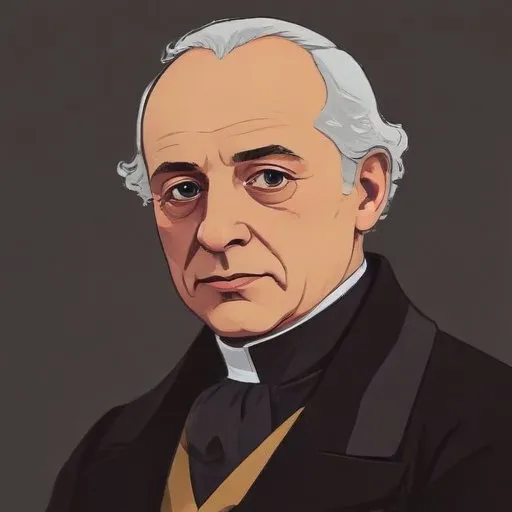
Franz Anton Hoffmeister: The Maestro of Melody and Music Publishing
A Legacy of Harmony
Franz Anton Hoffmeister, an Austrian composer and music publisher, left an indelible mark on the world of classical music. Born on May 12, 1754, in Rottenburg am Neckar, Further Austria, Hoffmeister's life was a symphony of creativity, innovation, and passion.
Early Years and Inspirations
At the tender age of 14, Hoffmeister embarked on a journey to Vienna to study law. However, his heart belonged to music, and he soon abandoned his legal pursuits to pursue his true calling. By the 1780s, he had established himself as one of Vienna's most celebrated composers, with a diverse and extensive catalog of works.
A Music Publisher Extraordinaire
Hoffmeister's reputation as a music publisher is unparalleled. By 1785, he had founded one of Vienna's first music publishing businesses, second only to Artaria & Co. This venture allowed him to publish not only his own compositions but also those of illustrious contemporaries such as Haydn, Mozart, Beethoven, Clementi,
Johann Georg Albrechtsberger, Carl Ditters von Dittersdorf, and Johann Baptist Wanhal.
A Circle of Musical Friends
Hoffmeister's close relationships with these musical giants are a testament to his role as a facilitator of artistic collaboration. Mozart, in fact, dedicated his String Quartet in D to Hoffmeister, while Beethoven affectionately addressed him as "my most beloved brother" in a letter.
Compositions and Operas
While Hoffmeister's publishing activities reached a peak in 1791, he subsequently shifted his focus to composition. During the early 1790s, he penned several operas, which were staged to great acclaim. This creative flourish, however, came at the cost of his publishing empire, which began to decline due to his apparent lack of business acumen.
A New Partnership and Legacy
In 1799, Hoffmeister embarked on a concert tour with flautist Franz Thurner, which took them as far as Leipzig. There, he met organist Ambrosius Kühnel, and the two men established the Bureau de Musique, a publishing partnership that would eventually be taken over by the esteemed C.F. Peters, a firm still active today.
A Lasting Impact
Hoffmeister's contributions to the world of classical music are multifaceted and profound. Through his publishing endeavors, he facilitated the dissemination of music by some of the greatest composers of his time. His own compositions, though lesser known, offer a glimpse into the soul of a man who lived and breathed music.
Franz Anton Hoffmeister's life was a testament to the power of creativity, perseverance, and collaboration. As we celebrate his legacy, we are reminded of the enduring beauty of classical music and the importance of preserving our cultural heritage for generations to come.
Timeline of Key Events
- May 12, 1754: Franz Anton Hoffmeister born in Rottenburg am Neckar, Further Austria
- 1780s: Established himself as a popular composer in Vienna
- 1785: Founded one of Vienna's first music publishing businesses
- 1791: Publishing activities reached a peak
- Early 1790s: Composed several operas
- 1799: Founded the Bureau de Musique with Ambrosius Kühnel
- February 9, 1812: Franz Anton Hoffmeister passed away
Trivia and Fun Facts
- Hoffmeister's publishing business was second only to Artaria & Co.
- Mozart dedicated his String Quartet in D to Hoffmeister
- Beethoven addressed Hoffmeister as "my most beloved brother" in a letter
- The Bureau de Musique was eventually taken over by C.F. Peters, a firm still active today
FAQ
What is Franz Anton Hoffmeisters role in the development of the classical guitar?
Hoffmeister was a prolific composer for the classical guitar, and his works showcase the instruments expressive capabilities. His compositions helped establish the guitar as a legitimate instrument in classical music.
How did Franz Anton Hoffmeisters music reflect his German heritage?
Hoffmeisters music reflects his Germanic roots, drawing on folk melodies and rhythms. His compositions often feature strong, robust melodies, characteristic of German classical music.
What was Franz Anton Hoffmeisters connection to Mozart and Haydn?
Hoffmeister was a contemporary and friend of Mozart and Haydn, and his music was often performed alongside theirs. This connection highlights the strong musical bonds between these prominent figures of the Classical period.
How did Franz Anton Hoffmeisters music influence later composers?
Hoffmeisters compositions, particularly his guitar music, had a significant impact on later composers. His innovations in guitar technique and harmony paved the way for later composers to explore the instruments expressive capabilities.
What is the significance of Franz Anton Hoffmeisters publishing endeavors?
As a publisher, Hoffmeister played a crucial role in disseminating classical music to a wider audience. His publishing house, founded in 1785, made available the works of prominent composers, contributing to the growth of classical musics popularity.