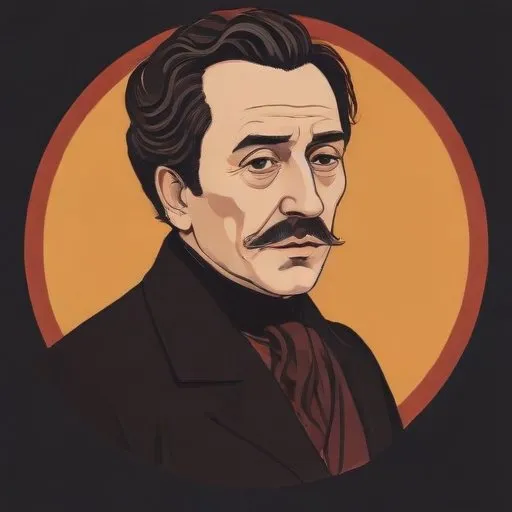
Franz Werfel: The Literary Giant of the 20th Century
The Author of Unforgettable Epics
Franz Werfel, a renowned Austrian-Bohemian novelist, playwright, and poet, is best known for his monumental works,
The Forty Days of Musa Dagh and
The Song of Bernadette. These novels have cemented his reputation as a master storyteller, weaving intricate tales that delve into the human condition, faith, and the complexities of history.
Early Life and Inspirations
Born on September 10, 1890, in Prague, Werfel was the first child of Rudolf Werfel, a wealthy glove and leather goods manufacturer, and Albine Kussi, the daughter of a mill owner. His family was Jewish, but their Czech Catholic governess, Barbara imnkov, played a significant role in shaping Werfel's early life. She introduced him to Catholicism, which later influenced his fascination with comparative religion. This unique upbringing allowed Werfel to explore diverse faiths, including Theosophy and Islam, reflecting in his writing.
A Literary Career Spanning Wars and Eras
Werfel began writing at an early age and published his first book of poems,
Der Weltfreund, in 1911. This marked the beginning of a remarkable literary career that spanned World War I, the Interwar period, and World War II. During this time, he befriended prominent writers, such as Max Brod and
Franz Kafka, at Prague's Caf Arco, and received critical acclaim from esteemed critics like Karl Kraus.
Major Works and Achievements
- The Forty Days of Musa Dagh (1933): This novel is based on the events of the Armenian genocide of 1915 and has been praised for its historical accuracy and emotional depth.
- The Song of Bernadette (1941): This novel tells the story of the French Catholic saint Bernadette Soubirous and was adapted into a Hollywood film of the same name.
- Jacobowsky and the Colonel (1944): This play, written during Werfel's exile in the United States, is a powerful exploration of identity, morality, and the human condition.
Awards and Honors
Werfel received numerous awards and honors for his contributions to literature, including the following:
Impact on Modern Society
Werfel's works have had a profound impact on modern society, inspiring a deeper understanding of cultural and religious diversity. His novels have been translated into numerous languages, ensuring his legacy as a literary giant of the 20th century.
Legacy and Historical Context
Werfel's writing provides a unique window into the tumultuous eras in which he lived. His novels offer a nuanced exploration of the human experience, faith, and the complexities of history. As a result, his works have become essential reading for scholars and literature enthusiasts alike, cementing his place as one of the most influential writers of the 20th century.
Personal Life and Relationships
Werfel's personal life was marked by significant relationships, including his marriage to
Alma Mahler, the widow of composer
Gustav Mahler. This union had a profound impact on his writing, as Alma provided emotional support and inspiration during some of the most turbulent periods of his life.
Conclusion
Franz Werfel's remarkable life and literary career have left an indelible mark on modern literature. His works continue to captivate readers, inspiring a deeper understanding of the human condition, cultural diversity, and the complexities of history. As a literary giant of the 20th century, Werfel's legacy will endure, ensuring his place among the pantheon of great writers.
FAQ
What was Franz Werfels literary contribution?
Franz Werfel was an Austrian-Bohemian author, poet, and playwright who wrote several notable works, including the novel The Forty Days of Musa Dagh, which is considered a classic of Austrian literature.
What was Franz Werfels experience during World War I?
Franz Werfel served in the Austro-Hungarian Army during World War I, an experience that deeply affected him and influenced his writing. He was critical of the war and its impact on humanity.
How did Franz Werfels Jewish heritage influence his writing?
Franz Werfels Jewish heritage had a significant impact on his writing, with many of his works exploring themes of identity, faith, and social justice.
What was Franz Werfels relationship with Alma Mahler?
Franz Werfel had a long-term relationship with Alma Mahler, the wife of Gustav Mahler. Their tumultuous relationship was marked by intense passion and intellectual exchange.
What is Franz Werfels legacy in modern literature?
Franz Werfels literary legacy continues to be celebrated for its complexity, depth, and nuance. His works remain a testament to the power of literature to explore the human condition.