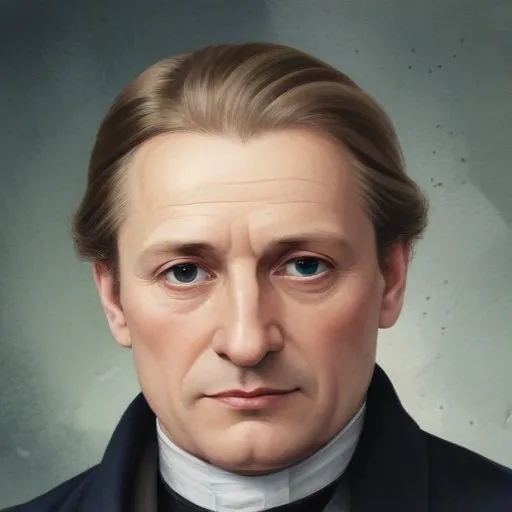
Friedrich Wilhelm Marpurg: The German Music Critic and Theorist Who Shaped the 18th Century
A Lifetime of Musical Influence
Friedrich Wilhelm Marpurg is renowned for his profound impact on the music world as a critic, theorist, and composer. Born on November 21, 1718, in Germany, Marpurg's life was a testament to his passion for music, which earned him recognition among the intellectual elite of the Enlightenment era.
Early Life and Education
Although little is known about Marpurg's early life, it is clear that he received a strong education in philosophy and music. His academic background and connections with prominent figures of the Enlightenment, such as Winckelmann and Lessing, laid the foundation for his future success.
A Parisian Interlude
In 1746, Marpurg traveled to Paris as the secretary for General Rothenberg (or Bodenberg). During his time in the City of Light, he befriended influential intellectuals, including the writer and philosopher Voltaire, the mathematician d'Alembert, and the composer
Jean-Philippe Rameau. These connections not only broadened his musical horizons but also shaped his critical and theoretical perspectives.
A Life of Public Service and Musical Pursuits
Upon his return to Berlin, Marpurg continued to pursue his musical interests while holding various public offices. In 1760, he received an appointment to the Royal Prussian Lotteries, eventually becoming its director in 1763, with the title of War Councillor. During this period, his son,
Johann Friedrich Marpurg, was born in 1766, who would later become a celebrated violinist.
A Polemicist and Music Theorist
Marpurg's quarrelsome disposition and enthusiasm for public debates earned him both admirers and critics. However, his courteous and open-hearted nature also won him many friends. As a music theorist, he made significant contributions, including his influential publication,
(1776), which sparked a two-century debate about J.S. Bach's use of equal temperament.
Legacy and Impact
Marpurg's work had a profound impact on the development of music theory and criticism in the 18th century. Although his ideas were sometimes controversial, they stimulated important discussions and shaped the musical landscape of his time. His legacy continues to inspire music scholars and enthusiasts to this day.
Personal Milestones and Key Life Events
- 1718: Born on November 21st in Germany
- 1746: Traveled to Paris as the secretary for General Rothenberg (or Bodenberg)
- 1760: Received an appointment to the Royal Prussian Lotteries
- 1763: Became the director of the Royal Prussian Lotteries with the title of War Councillor
- 1766: Son, Johann Friedrich Marpurg, was born
- 1776: Published
- 1795: Passed away on May 22nd
By exploring Marpurg's life and work, we gain insight into the fascinating world of 18th-century music and the individuals who shaped it. As a music critic, theorist, and composer, Friedrich Wilhelm Marpurg left an indelible mark on the history of music, leaving behind a legacy that continues to inspire and inform us today.
FAQ
What is Friedrich Wilhelm Marpurgs significance in German music?
Friedrich Wilhelm Marpurg was a German composer, critic, and theorist who lived during the 18th century. He is considered one of the most important figures of the German Enlightenment.
What is Friedrich Wilhelm Marpurgs most famous work?
Friedrich Wilhelm Marpurgs most famous work is his treatise on harmony, which explores the theoretical foundations of music.
What was Friedrich Wilhelm Marpurgs life like?
Friedrich Wilhelm Marpurg lived a life of music and scholarship, dedicating himself to the study and composition of music.
What is Friedrich Wilhelm Marpurgs legacy?
Friedrich Wilhelm Marpurgs legacy lies in his contributions to German music and his role in shaping the course of music theory.
How is Friedrich Wilhelm Marpurg remembered?
Friedrich Wilhelm Marpurg is remembered as a talented and influential composer and theorist who helped to shape the course of German music.