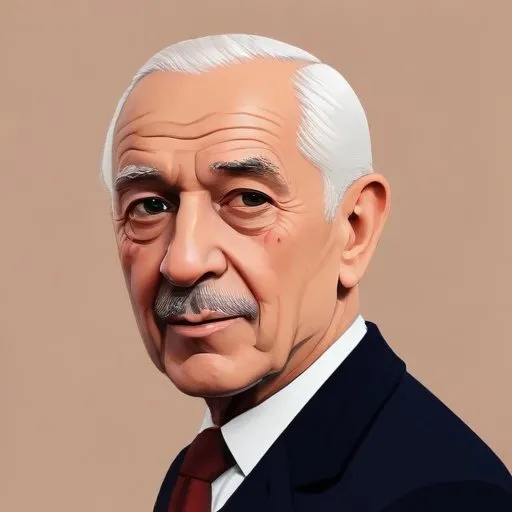
George Charles Hait: The Visionary Behind the Iconic Sherlock Holmes Covers
The Mastermind of Strand Magazine's Revolutionary Design
George Charles Hait is renowned for his groundbreaking cover design of the Strand Magazine, launched in 1891, which played a pivotal role in popularizing the illustrious Sherlock Holmes stories of
Arthur Conan Doyle. This watershed moment in design history not only catapulted Hait to fame but also left an indelible mark on the world of literature and art.
Early Life and Inspirations
Born on June 8, 1855, in Bexleyheath, Kent, Hait was the second child and eldest son of George Hait senior. His ancestors, French Huguenot immigrants, instilled in him an appreciation for the universal language of art, which he would later express through his catchphrase: "art holds no nationality." Hait's family was steeped in a tradition of textile design, with his great-grandfather, William Hait, and grandfather, Henry Hait, working in the calico printing industry. This rich cultural heritage would influence Hait's future artistic endeavors.
A Self-Taught Visionary
After his father's untimely death, 16-year-old Hait found himself at the helm of the household. Defying his father's advice to avoid the fashion industry, Hait embarked on a journey to become a prominent designer. Despite being self-taught in art, he went on to make a name for himself as a wallpaper and carpet designer, eventually working in metal, tapestry, and stained glass.
A Diverse Portfolio: From Landscapes to Sherlock Holmes
Hait's artistic repertoire was vast and varied. He exhibited his first painting at the Royal Academy in 1883 and continued to showcase his work in oils and watercolors. His landscapes, often inspired by his travels to Venice, Morocco, and Northern Europe, garnered critical acclaim. One of his most notable works, a street scene of Dortmund, won the Gold landscape prize at the 1897 Crystal Palace exhibition. It was, however, his work on the Strand Magazine that cemented his legacy.
Career Highlights and Major Works
- Strand Magazine cover design (1891)
- Gold landscape prize at the 1897 Crystal Palace exhibition
- Founder member and first president of the London Sketch Club
Influence on Modern Society
Hait's innovative design approach not only influenced the literary world but also paved the way for future generations of artists and designers. His work on the Strand Magazine helped popularize the concept of mass market publishing, making literature more accessible to the general public.
Personal Milestones and Key Life Events
- 1855: Born in Bexleyheath, Kent
- 1871: Father's death; became head of the household at 16
- 1883: Exhibited first painting at the Royal Academy
- 1891: Designed the iconic cover of the Strand Magazine
- 1897: Won the Gold landscape prize at the Crystal Palace exhibition
- 1924: Passed away on March 31
Legacy and Cultural Impact
George Charles Hait's contributions to the world of art and design continue to inspire generations. His pioneering work on the Strand Magazine cover design has become an iconic symbol of literary innovation. As we reflect on his remarkable life and career, we are reminded of the power of art to transcend borders and cultivate a sense of shared human experience.
FAQ
What type of art did George Charles Haité specialize in?
George Charles Haité was an English painter and illustrator who specialized in watercolor and oil painting, and was known for his landscapes, genre scenes, and illustrations.
What was George Charles Haités artistic style?
George Charles Haités artistic style was characterized by his use of vibrant colors, attention to detail, and ability to capture the subtleties of light and atmosphere in his paintings.
How did George Charles Haité contribute to the art world?
George Charles Haité contributed to the art world through his exhibitions at the Royal Academy and other prominent art venues, and through his illustrations for books and magazines.
What are some of George Charles Haités most famous works?
Some of George Charles Haités most famous works include his illustrations for books such as The Arabian Nights and Robinson Crusoe, as well as his landscape paintings of English countryside scenes.
How is George Charles Haité remembered in the art world?
George Charles Haité is remembered in the art world as a talented and prolific artist who made significant contributions to the development of English art in the late 19th and early 20th centuries.