


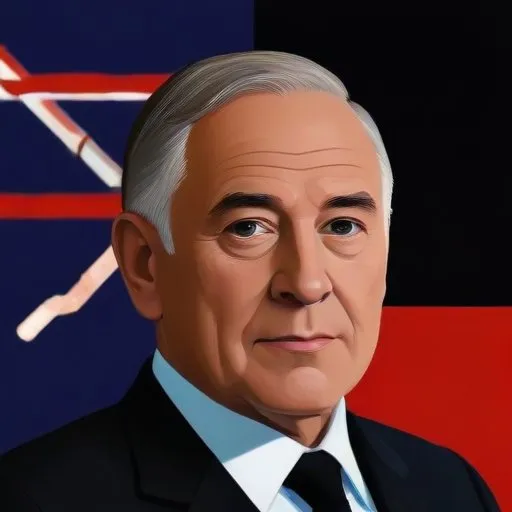
The 22nd Prime Minister of New Zealand, serving from 1930 to 1931, is most known for his role in shaping the country's economy and responding to the Great Depression. He implemented policies to reduce unemployment and stimulate growth.
George Forbes, the 22nd Prime Minister of New Zealand, is renowned for his unwavering commitment to public service and his unshakeable integrity. From 1930 to 1935, Forbes navigated the country through the tumultuous waters of the Great Depression, earning the respect and admiration of parliamentarians from all sides of the House.
Born in Lyttelton, just outside Christchurch, in 1869, Forbes was educated at Christchurch Boys High School. He excelled in sports, particularly athletics, rowing, and rugby, where he captained the Canterbury team. Following a brief stint in his father's ships chandlery business, Forbes established himself as a successful farmer near Cheviot.
In 1902, Forbes entered the political arena, contesting the Hurunui electorate. He quickly became active in local politics, serving on the Cheviot County Council and the Cheviot Settlers Association. His dedication to public service earned him a seat in the House of Representatives in 1908, representing the Liberal Party.
In 1928, Forbes became the leader of the newly formed United Party. His rise to power as Prime Minister was unexpected, but he proved to be a shrewd and capable leader. Despite the challenges posed by the Great Depression, Forbes remained in power for five years, earning the respect of his peers and the admiration of his constituents.
Forbes' leadership was marked by his reputation for probity, impressive memory, and exceptional debating skills. His courteous and friendly attitude earned him the liking and respect of parliamentarians from all sides of the House. As Prime Minister, he headed the United-Reform coalition Government, which eventually became the modern National Party.
Forbes' leadership was guided by his strong sense of integrity, fairness, and commitment to public service. His reputation as "Honest George" reflected his unwavering commitment to doing what he believed was right, even in the face of adversity.
Forbes' legacy extends beyond his time in office. He played a pivotal role in shaping the modern National Party and contributed to the development of New Zealand's political landscape. His commitment to public service and integrity has inspired generations of politicians and citizens alike.
Despite facing criticism for his handling of the Great Depression, Forbes remained a well-respected figure in New Zealand politics. His commitment to integrity and public service earned him a favorable public perception, which has endured long after his time in office.
"I am not a professional politician, but a man who has been called upon to serve his country in a time of need." - George Forbes
Forbes' legacy is inextricably linked to the tumultuous period of the Great Depression. His leadership during this time cemented his place as one of New Zealand's most important Prime Ministers, and his commitment to integrity and public service continues to inspire future generations.
Born in 1845
The 15th Prime Minister of New Zealand, a dominant figure in the country's early 20th-century politics, known for his progressive reforms and strong leadership during a time of significant social change.
Born in 1856
A pioneering farmer and politician who served as New Zealand's 19th Prime Minister, known for his efforts to improve the country's agricultural sector and strengthen its economy.
Born in 1851
The 20th Prime Minister of New Zealand, serving from 1925 to 1926, known for his brief but significant tenure during a time of economic reform and labor movement growth.
Born in 1878
A New Zealand politician who served as Prime Minister from 1925 to 1928, known for his leadership during a period of significant economic and social change. He implemented various reforms, including the establishment of the Department of Health and the introduction of a national insurance scheme.
Born in 1872
A pioneering politician who championed social welfare and unity, leading New Zealand through the Great Depression and World War II, implementing groundbreaking reforms and earning a revered legacy.
Born in 1884
Scottish-New Zealand journalist and politician who served as the 24th Prime Minister of New Zealand, leading the country through significant social and economic reforms. He's known for his progressive policies and strong leadership during wartime.
Born in 1893
Led the country through a period of significant economic growth and social change, implementing policies that shaped modern New Zealand. He's remembered for his strong leadership and nation-building efforts.
Born in 1904
A farmer-turned-politician who served as Prime Minister of New Zealand, known for his leadership during a period of significant economic and social change. He's remembered for his pragmatic and consensus-driven approach to governance.
