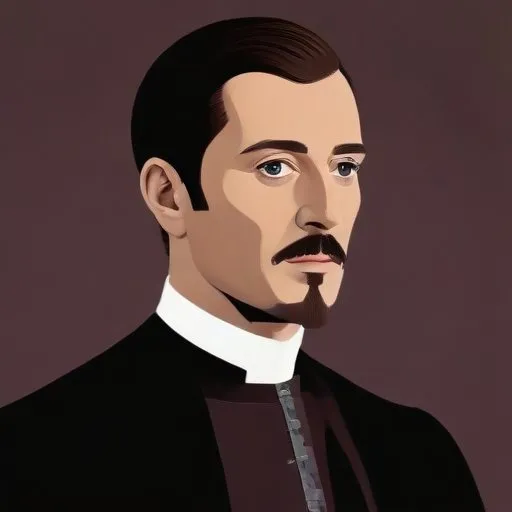
The Turbulent Life of George Plantagenet, 1st Duke of Clarence
A Royal Brother with a Tragic Fate
George Plantagenet, 1st Duke of Clarence, is renowned for being the brother of two English kings,
Edward IV and Richard III, and his own tumultuous life, which was marked by rebellion, treachery, and ultimately, a tragic demise. As a member of the powerful House of York, Clarence played a significant role in the Wars of the Roses, a dynastic struggle that ravaged medieval England.
Rise to Prominence
Born on October 21, 1449, in Dublin, Ireland, George Plantagenet was the third son of Richard, 3rd Duke of York, and Cecily Neville. His early life was marked by the turmoil of the Wars of the Roses, which saw his family pitted against the rival House of Lancaster. Following the Yorkist victory at the Battle of Towton in 1461, George's brother Edward IV was crowned king, and Clarence was appointed as the Lord Lieutenant of Ireland.
Rebellion and Treachery
Clarence's ambition and resentment towards his brothers soon led him down a path of rebellion. He conspired with the Earl of Warwick, also known as the "Kingmaker," to overthrow Edward IV and claim the throne for himself. The rebellion ultimately failed, and Clarence was forced to flee to France, where he formed an alliance with
Margaret of Anjou, the queen of the rival House of Lancaster.
Downfall and Execution
In 1477, Clarence was accused of treason and plotting against Edward IV. He was arrested, put on trial, and found guilty. Despite his brother's pleas for mercy, Clarence was privately executed in the Tower of London on February 18, 1478. According to legend, he was drowned in a butt of Malmsey wine, his favorite drink.
Personal Milestones and Key Life Events
- 1449: Born on October 21st in Dublin, Ireland
- 1461: Appointed as the Lord Lieutenant of Ireland after the Yorkist victory at the Battle of Towton
- 1469: Conspired with the Earl of Warwick to overthrow Edward IV
- 1477: Accused of treason and put on trial
- 1478: Privately executed in the Tower of London on February 18th
Lasting Legacy
Despite his tumultuous life and tragic fate, George Plantagenet, 1st Duke of Clarence, left an indelible mark on English history. His role in the Wars of the Roses and his relationships with his brothers continue to fascinate historians and enthusiasts alike. His story serves as a cautionary tale of the dangers of ambition and the consequences of treachery.
Trivia and Fun Facts
- George Plantagenet was known for his hot temper and impulsive nature.
- He was a skilled military commander and played a key role in several battles during the Wars of the Roses.
- Clarence's wife, Isabel Neville, was the sister of the Earl of Warwick.
By delving into the life of George Plantagenet, 1st Duke of Clarence, we are reminded of the complexities of human nature and the high stakes of medieval politics. His story is a testament to the enduring power of family dynamics and the devastating consequences of unchecked ambition.
FAQ
What was the early life of George Plantagenet, 1st Duke of Clarence?
George Plantagenet was born on August 21, 1449, to Richard, Duke of York, and Cecily Neville. He was the sixth son, but following the death of his older brothers, he became the third in line to the throne.
What was George Plantagenets role in the Wars of the Roses?
George Plantagenet played a significant role in the Wars of the Roses, initially supporting the House of York, but later switching to the House of Lancaster, and eventually being accused of treason and executed.
How did George Plantagenet die?
George Plantagenet was executed on February 18, 1478, allegedly by being drowned in a butt of Malmsey wine in the Tower of London, on the orders of his brother Edward IV.
Was George Plantagenet married?
Yes, George Plantagenet was married to Isabel Neville, daughter of Richard Neville, 16th Earl of Warwick, and had four children, including Margaret of York and Edward of Warwick.
What were George Plantagenets titles and honors?
George Plantagenet held several titles and honors, including 1st Duke of Clarence, Earl of Warwick, and Earl of Salisbury, and was also a Knight of the Garter.