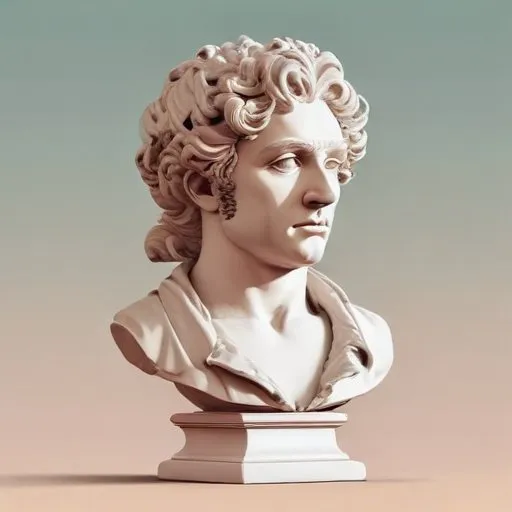
Giacomo Serpotta: The Maestro of Stucco Sculpture
A Rococo Mastermind
Giacomo Serpotta is renowned for his exquisite stucco sculptures that adorned the walls and ceilings of churches and oratories in Palermo, Sicily. This 17th-century Italian artist is celebrated for his unique, florid elegance, which often recalls the style of Antonio Raggi, a prominent Roman artist.
Early Life and Influences
Born on March 10, 1656, in Palermo, Sicily, Serpotta's talent for stucco sculpture emerged without formal mentorship or exposure to the mainstream Italian Baroque style. This anomaly in an otherwise provincial scene earned him the title of "a meteor in the Sicilian sky" from art historian Rudolf Wittkower.
Collaborations and Early Works
In 1677, Serpotta collaborated with Procopio de Ferrari to decorate the small church of the Madonna dell'Itria in Monreale. His first independent work, an equestrian statue of
Charles II of Spain and Sicily, was cast in bronze by Gaspare Romano in 1682.
The Serpotta Family's Prolific Legacy
The Serpotta family, including Giacomo's brother Giuseppe (1653-1719) and son Procopio (1679-1755), left an indelible mark on Palermo's artistic landscape. They decorated numerous churches and oratories, solidifying their reputation as master stucco artists.
Ornate Masterpieces
Serpotta's ornate decorations can be seen in several oratories, including:
- The Oratory of San Lorenzo (1690-1706), featuring a profusion of statuary and putti that seem to come alive on the walls.
- The Oratory of Santa Cita, showcasing his signature florid elegance.
- The Oratory of Rosario di San Domenico (1710-1717), a testament to his skill in crafting intricate, narrative scenes.
- The Oratory of San Mercurio, a chapel adjacent to the church of the Olivella, and the Oratory of Santa Caterina.
A Formula for Success
Serpotta's stucco work for the oratories follows a general formula, yet each piece is a unique tour de force. His decorations often feature tableaux or dioramas, each matching a Mystery of the Rosary, accompanied by allegorical figures or cherubs in playful frolic.
A Lasting Legacy
Despite the loss of some of his work, including that at the Oratory of the Compagna della Carit di San Bartolomeo degli Incurabili in Palermo, Serpotta's contributions to the world of stucco sculpture remain unparalleled. His art continues to inspire and awe, solidifying his position as a master of the Rococo style.
FAQ
What style of sculpture did Giacomo Serpotta specialize in?
Giacomo Serpotta was a master of Rococo sculpture, known for his intricate and ornate works that showcased his skill and artistry. His use of stucco and marble created stunning pieces that decorated churches and palaces throughout Sicily.
What is Giacomo Serpottas most famous work?
Giacomo Serpottas most famous work is the decoration of the Oratory of San Lorenzo in Palermo, Sicily, which he completed in 1699. This masterpiece is considered one of the greatest examples of Sicilian Baroque architecture and is a testament to Serpottas skill and creativity.
What influenced Giacomo Serpottas artistic style?
Giacomo Serpottas artistic style was heavily influenced by the Italian Baroque movement, as well as the work of other prominent Sicilian artists of the time. His use of stucco and marble was particularly innovative, allowing him to create intricate and delicate designs.
Where did Giacomo Serpotta train as an artist?
Giacomo Serpotta trained as an artist in Rome, where he was influenced by the works of Bernini and other prominent Baroque sculptors. He later returned to Sicily, where he established himself as a master sculptor and decorator.
What is Giacomo Serpottas legacy in Sicilian art?
Giacomo Serpottas legacy in Sicilian art is immense, with his works continuing to inspire and influence artists to this day. He is considered one of the greatest Sicilian artists of all time, and his decorative designs remain a hallmark of Sicilian Baroque architecture.