


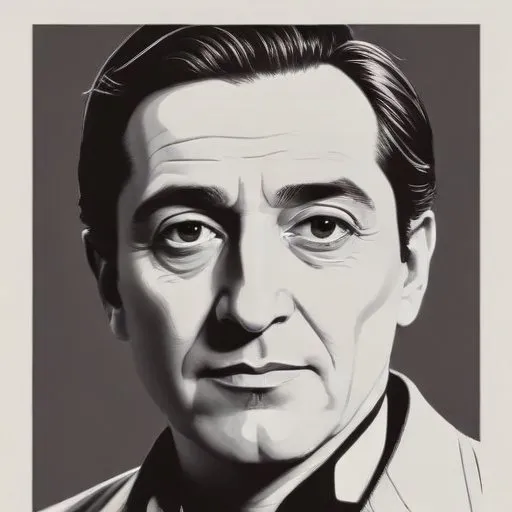
A 17th-century mastermind behind elaborate stage sets and machines, revolutionizing theater productions with his innovative designs and engineering feats. He's credited with creating the first proscenium arch and wing-and-drop scenery.
Giacomo Torelli was a renowned Italian stage designer, scenery painter, engineer, and architect who revolutionized the world of opera during the 17th century. He is best known for his innovative designs of machinery for creating spectacular scenery changes and special effects, which have survived as the most complete record of mid-seventeenth-century set design.
Torelli was born on September 1, 1608, in Fano, Italy. Little is known about his early life, but it is believed that he gained experience in theatre design in nearby Pesaro or Urbino. His first documented work was in January 1641 for the opening of the Teatro Novissimo in Venice, where he was involved in the design of scenery and stage machinery for Francesco Sacrati's opera La finta pazza.
When Cardinal Mazarin, the Italian-born chief minister of France, succeeded Cardinal Richelieu in 1642, he decided to introduce Italian opera to Paris. In June 1645, at the request of the regent Anne of Austria, the Duke of Parma sent Torelli to France to work on a production of La finta pazza, largely repeating his designs for Venice.
This production, performed in the large hall of the Petit-Bourbon beginning on December 14, 1645, was a great success. Catering to French taste, comic ballet interludes choreographed by Giambattista Balbi replaced the choruses at the ends of the acts, and some of the recitative was spoken rather than sung.
Torelli's innovative designs and use of machinery revolutionized the world of opera, setting a new standard for stage design and special effects. His work in France helped to establish Italian opera as a popular form of entertainment in Paris, paving the way for future generations of opera designers and directors.
Torelli's legacy extends beyond his designs, as he played a significant role in introducing Italian opera to France, influencing the development of opera as an art form, and leaving a lasting impact on the world of opera.
Little is known about Torelli's personal life, but it is believed that he returned to Italy after his work in France. He died on June 17, 1678, leaving behind a legacy that continues to inspire and influence opera designers and directors to this day.
Torelli's innovative designs and use of machinery have had a lasting impact on the world of opera, influencing generations of designers and directors. His work continues to inspire and awe audiences, and his legacy extends beyond the world of opera, influencing the development of theatre and performance arts as a whole.
Born in 1642
A 17th-century Jesuit Brother who excelled as an architect and painter, creating stunning Baroque trompe l'oeil ceilings that seemed to defy gravity. His works continue to inspire artists and architects today.
Born in 1598
A renowned Baroque master who crafted exquisite sculptures and paintings that captivated 17th-century Rome, leaving an indelible mark on the art world.
Born in 1599
A Baroque mastermind who crafted iconic Roman churches, blending dramatic curves and geometric precision to create awe-inspiring spaces.
Born in 1596
A prominent Baroque painter who created elaborate, dramatic, and emotive works that adorned the ceilings of Roman palaces and churches, influencing the development of 17th-century art.
Born in 1573
Designed iconic English buildings, including the Queen's House, blending Renaissance and classical styles. He's considered the father of English Palladian architecture.
