


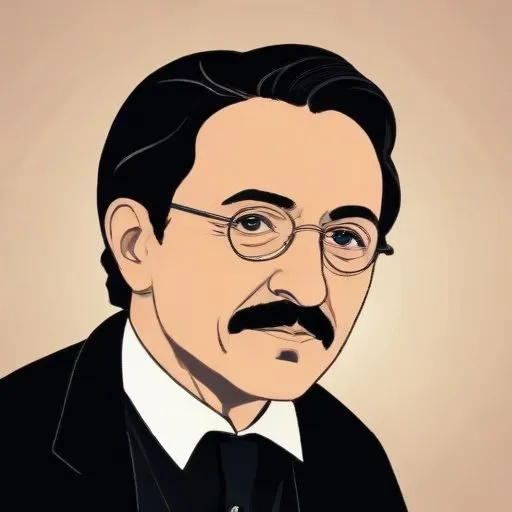
A Baroque-era composer who wrote operas and sacred music, known for his innovative use of harmony and orchestration.
Francesco Sacrati, a renowned Italian composer, made a lasting impact on the early history of opera, leaving an indelible mark on the musical landscape of the 17th century. His most celebrated work, La finta pazza (The Feigned Madwoman), composed in 1641, holds the distinction of being the first opera performed in France in 1645, paving the way for future generations of opera composers.
Born on September 17, 1605, in Parma, Italy, Sacrati's journey in music began in his early years. Though little is known about his formative years, his compositional skills and artistry came to the fore during his time in Venice, where he wrote for the Teatro Novissimo.
Sacrati's contributions to opera are multifaceted, with several notable works that showcase his mastery of the genre. Some of his most significant operas include:
The manuscript of La finta pazza, thought to be lost, was rediscovered by musicologist Lorenzo Bianconi in 1984. This finding sparked intense interest among scholars, who noticed striking similarities between Sacrati's score and Claudio Monteverdi's L'incoronazione di Poppea. This led to speculation about Sacrati's potential involvement in the composition of Monteverdi's opera.
In 2010, the United States premiere of La finta pazza took place at Yale University, marking the first performance of the opera outside Europe. This event not only paid tribute to Sacrati's pioneering spirit but also introduced his work to a new generation of music enthusiasts.
Sacrati's innovations in opera paved the way for future composers, influencing the development of the art form. His contributions continue to inspire contemporary musicians, ensuring his legacy as a trailblazer in the world of opera.
Francesco Sacrati's life came to an end on May 20, 1650, in Modena, Italy. Although his life was cut short, his operatic masterpieces have endured, leaving an indelible mark on the world of classical music.
Born in 1567
A Baroque music pioneer who revolutionized the opera and sacred music genres with innovative harmonies and orchestration, leaving an indelible mark on classical music.
Born in 1585
A renowned Baroque composer and organist, known for his contributions to the development of the oratorio and passion genres, creating over 500 works that showcased his mastery of choral music.
Born in 1632
A 17th-century mastermind who revolutionized French opera, creating lavish productions that captivated the royal court and beyond. He's credited with establishing the French opera tradition.
Born in 1678
A virtuosic violinist and prolific composer, he crafted over 400 concertos, including "The Four Seasons," which remains a beloved and iconic masterpiece of classical music.
Born in 1685
A renowned Baroque composer and organist, famous for creating majestic orchestral suites, operas, and oratorios, including the iconic "Messiah" masterpiece.
Born in 1685
A virtuosic harpsichordist and composer, renowned for crafting over 550 sonatas that showcased his innovative and expressive style, blending Italian and Portuguese influences. 42
Born in 1660
Baroque-era mastermind behind over 600 cantatas, operas, and orchestral works, shaping the course of classical music with his innovative style and harmonic genius.
Born in 1710
A Baroque composer, violinist, and organist who made significant contributions to the development of opera and sacred music, particularly with his famous "Stabat Mater" composition.
