


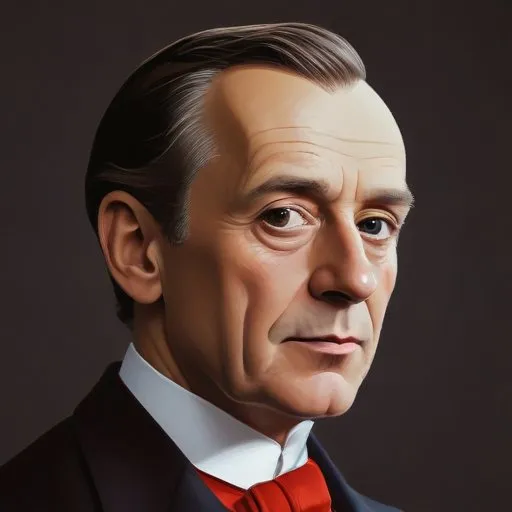
A powerful and influential English nobleman who served as a close advisor to King Henry VII and played a key role in the Wars of the Roses. He was also a skilled military leader and diplomat.
Giles Daubeney, 1st Baron Daubeney, was a multifaceted figure of the late 15th century, known for his military prowess, diplomatic finesse, and courtly charm. A confidant of kings and a shrewd politician, Daubeney traversed the treacherous landscape of medieval politics with ease, leaving an indelible mark on the history of England.
Born on June 1, 1451, at South Petherton in Somerset, Giles Daubeney was the eldest son of Sir William Daubeney and Alice Stourton. His father, a respected politician and soldier, served as a Member of Parliament for Bedfordshire and Sheriff of Cornwall. Giles' mother, Alice, was a scion of the esteemed Stourton family, owners of the impressive Brympton d'Evercy estate in Somerset.
In 1475, Daubeney accompanied King Edward IV to France, where he demonstrated his martial skills and earned the king's favor. He was subsequently appointed one of the esquires for the king's body and received a grant for life of the custody of the king's park at Petherton, near Bridgwater. His diplomatic acumen was further honed during his tenure as a Member of Parliament for Somerset in 1477-1478.
Daubeney's reputation as a skilled military strategist and charismatic leader earned him a place at the coronation of Richard III in 1483. However, his involvement in the failed rebellion of Henry Stafford, 2nd Duke of Buckingham, led to his attainder and the confiscation of his lands in Somerset, Lincolnshire, and Cornwall.
Following Richard III's defeat at Bosworth Field, Daubeney's fortunes were revived under the new monarch, Henry VII. He was restored to his former lands and honors, and his services were sought in the king's councils. In 1488, he was created 1st Baron Daubeney, a testament to his unwavering loyalty and dedication to the Tudor dynasty.
Throughout his life, Daubeney demonstrated a unique blend of martial valor, diplomatic finesse, and political acumen, earning him a reputation as one of the most influential figures of his era. His legacy extends beyond his military campaigns and political intrigues, serving as a testament to the complex and multifaceted nature of medieval politics.
Daubeney's personal life remains somewhat shrouded in mystery, but it is known that he had a brother, James, and a sister, Eleanor. His relationships with the royal family and his fellow courtiers were undoubtedly complex and multifaceted, reflecting the intricate web of alliances and rivalries that defined the medieval court.
Born in 1133
King of England from 1154 to 1189, known for establishing a strong centralized government, reforming the English church, and his tumultuous relationships with Thomas Becket and his sons.
Born in 1284
The king whose disastrous reign led to his eventual deposition and mysterious death, remembered for his alleged homosexual relationships and power struggles with nobles.
Born in 1516
The first queen to rule England in her own right, Bloody Mary tried to restore Catholicism, earning her notorious reputation for burning hundreds of Protestants at the stake.
Born in 1533
The Virgin Queen, a powerful and beloved monarch, ruled England during a golden age of culture, literature, and exploration, establishing the Church of England and defeating the Spanish Armada.
Born in 1532
A powerful and charming favorite of Queen Elizabeth I, known for his influence on English politics and suspected involvement in the mysterious death of his wife.
Born in 1521
A brilliant academic and politician who served as Lord High Treasurer, playing a crucial role in shaping England's economy and politics during the Elizabethan era. He's most known for his wise counsel and strategic thinking that helped stabilize the English monarchy.
