


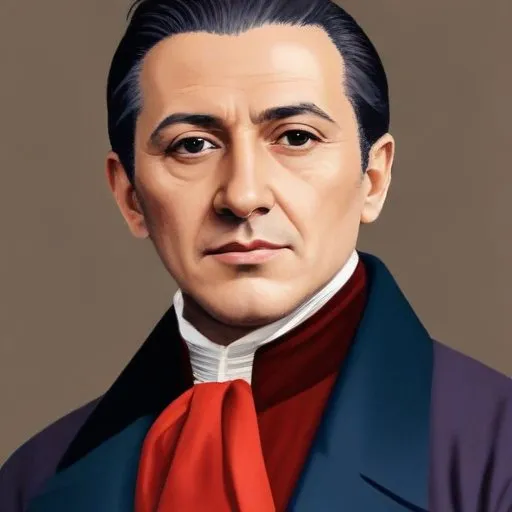
An 18th-century Italian composer, known for his sacred music and operas, contributing to the development of classical music.
Giovanni Antonio Giay, a renowned Italian composer, left an indelible mark on the world of classical music with his vast oeuvre of operas, symphonies, and sacred music. Born in Turin on June 11, 1690, Giay's compositions continue to enchant audiences to this day, earning him a revered place in the annals of music history.
Turin, the picturesque city in northwest Italy, was the backdrop for Giay's early life. His father, Stefano Giuseppe Giay, a chemist, passed away when Giovanni was just five years old. This significant loss did not deter the young Giay from pursuing his passion for music. In 1710, he enrolled in the Collegio degli Innocenti at the Turin Cathedral, where he studied music under the guidance of Francesco Fasoli.
Giay's talent and dedication soon paid off. His first opera, Il trionfo d'Amore ossia La Fillide, premiered at the Teatro Carignano during the Carnival of 1715. This successful debut catapulted Giay to the forefront of Turin's musical scene. In 1732, he succeeded Andrea Stefano Fior as the maestro di cappella at the royal chapel in Turin, a position he held for an impressive 26 years.
Giay's compositional output was staggering. He wrote 15 operas, 5 symphonies, and a significant amount of sacred music, cementing his reputation as a master of his craft. One of his most notable works is the intermezzo Don Chisciotte in Venezia, written between 1748 and 1752. The lyrics, penned by Giuseppe Baretti, bring to life the characters of Don Quixote and Dulcinea from Miguel de Cervantes' classic novel.
Giay's passing on September 10, 1764, marked the end of an era. However, his music continued to thrive, with his son, Francesco Saverio, taking over as the maestro di cappella at the royal chapel in Turin. Giay's contributions to the world of music remain unparalleled, inspiring generations of composers and music enthusiasts alike.
Giovanni Antonio Giay's remarkable life and career serve as a testament to the power of dedication, passion, and creativity. His music continues to inspire and delight audiences, ensuring his legacy as one of Italy's most beloved composers.
Born in 1710
A Baroque composer, violinist, and organist who made significant contributions to the development of opera and sacred music, particularly with his famous "Stabat Mater" composition.
Born in 1714
A prominent composer of the Neapolitan School, he wrote over 80 operas and was a key figure in the transition between the Baroque and Classical periods. His music was known for its dramatic intensity and expressive melodies.
Born in 1749
An 18th-century Italian composer and educator, known for his operas and sacred music, particularly his comic operas that showcased his mastery of melody and harmony.
Born in 1740
An 18th-century Italian composer and educator, known for his operas and contributions to the development of classical music. His works were widely performed and admired by European royalty and aristocracy.
Born in 1714
A pioneering opera composer who revolutionized the art form with his innovative and expressive works, blending music and drama in a way that captivated audiences.
Born in 1756
A child prodigy and master of classical music, he composed over 600 works, including symphonies, operas, and chamber music, that continue to inspire and influence musicians today.
Born in 1770
A musical genius who expanded the possibilities of classical music, creating iconic symphonies and piano sonatas that continue to inspire and influence generations of artists.
Born in 1750
A renowned 18th-century composer and conductor, known for his operas and rivalry with Mozart, as depicted in the movie Amadeus.
