


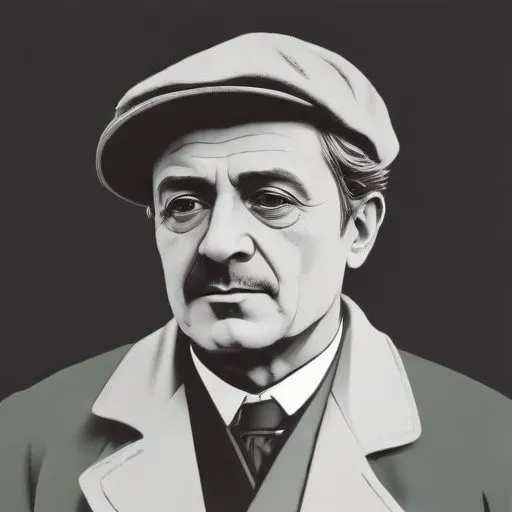
A 16th-century Italian author and poet, known for his influential writings on etiquette and manners, particularly his book "Galateo," which remains a classic in the genre.
Giovanni della Casa, a 16th-century Italian poet, diplomat, clergyman, and inquisitor, is celebrated for his seminal work on polite behavior, Il Galateo overo de costumi, published in 1558. This courtesy book has enjoyed enormous success and influence, shaping the etiquette and social norms of generations to come.
Born on June 28, 1503, in a wealthy Florentine family near Borgo San Lorenzo in Mugello, della Casa received his early education in Bologna, Florence, and Padua. Under the guidance of distinguished men of letters, such as Ubaldino Bandinelli and Ludovico Beccadelli, he developed a strong foundation in classical studies.
In 1526, della Casa spent a pivotal year at his family's villa in Tuscany, dedicating himself to reading and translating Latin classics, particularly the works of Cicero. This period of introspection and immersion in classical literature laid the groundwork for his future literary endeavors.
Counseled by Alessandro Farnese, della Casa pursued a prestigious career in the Church, rising to become Archbishop of Benevento in 1544. In the same year, Pope Paul III nominated him Papal nuncio to Venice, where he encountered prominent poets, artists, and nobility. However, with the death of his protector Farnese and the election of Pope Giulio III, della Casa retired to a more contemplative life, focusing on writing and reading.
Between 1551 and 1555, during his retreat, della Casa conceived and drafted his magnum opus, Il Galateo overo de costumi, in the Abbey of Nervesa near Treviso. This seminal work on etiquette and polite behavior would go on to shape social norms and influence generations to come.
della Casa passed away on November 14, 1556, and is buried in the Church of Sant'Andrea della Valle, Rome. Despite his many accomplishments, he remained humble and dedicated to his craft, leaving behind a rich literary legacy that continues to inspire and educate to this day.
Born in 1470
A 16th-century Renaissance humanist who wrote influential poetry and treatises on literature, and was a key figure in developing the modern Italian language.
Born in 1478
A Renaissance humanist who contributed significantly to the development of the Italian language and literature, known for his poetic and dramatic works that showcased his mastery of classical forms.
Born in 1478
A Renaissance man who wrote "The Courtier," a influential book on etiquette and courtly behavior, shaping the ideal of the perfect gentleman. His work remains a cornerstone of Western cultural heritage.
Born in 1469
Italian historian and philosopher who wrote "The Prince", a seminal work on politics and power that still influences modern leadership and governance today.
Born in 1474
Renowned for epic poems, particularly "Orlando Furioso", which masterfully blended chivalric romance and Renaissance humanism, influencing literature for centuries.
Born in 1544
A 16th-century poet and educator who wrote influential epic poems, particularly "Jerusalem Delivered", which showcased his mastery of Italian language and style.
Born in 1503
A 16th-century Italian author and poet, known for his influential writings on etiquette and manners, particularly his book "Galateo," which remains a classic in the genre.
