


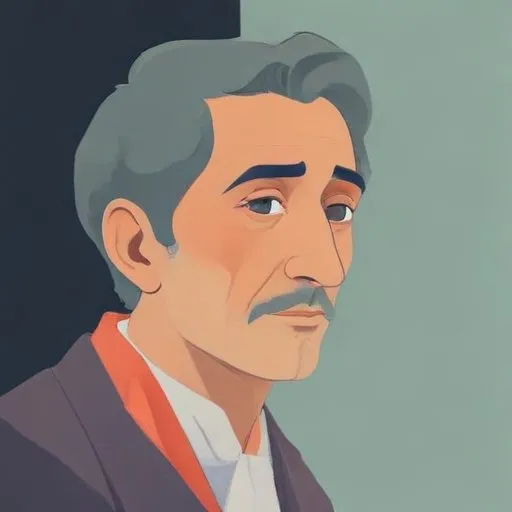
Giuseppe Giacosa, an Italian poet, playwright, and librettist, is renowned for his impeccable skill in crafting poignant and captivating narratives, which have become an integral part of opera history. His collaboration with Giacomo Puccini, one of the most celebrated opera composers, has resulted in some of the most iconic operas of all time, including La Bohème, Tosca, and Madama Butterfly.
Born on October 21, 1847, in Colleretto Parella, near Turin, Giacosa was raised in a family of magistrates. He pursued his academic interests at the University of Turin, where he earned a degree in law. However, he chose not to pursue a legal career, opting instead to follow his passion for writing.
Giacosa's talent as a playwright was first recognized with the production of Una Partita a Scacchi (A Game of Chess) in 1871. This early success paved the way for him to focus on playwriting, where he excelled in crafting stories that delved into the complexities of contemporary bourgeois values, often set against the backdrop of Piedmont.
Giacosa's most significant contribution to opera came through his partnership with Puccini. He refined the librettos for Manon Lescaut, La Bohème, Tosca, and Madama Butterfly, breathing life into Puccini's music with his masterful verse. Giacosa's collaboration with Luigi Illica, another renowned librettist, added depth and nuance to these operas.
In addition to his operatic triumphs, Giacosa penned plays like La Signora di Challant (The Lady of Challant), written specifically for the celebrated French actress Sarah Bernhardt, and The Rights of the Soul, a thought-provoking one-act play.
Giacosa's writing has left an indelible mark on the world of opera. His ability to craft relatable characters, weave intricate plots, and evoke powerful emotions has made his works timeless. As a result, his librettos continue to captivate audiences worldwide, ensuring his legacy as one of the greatest librettists of all time.
Throughout his life, Giacosa remained committed to his craft, leaving behind a body of work that continues to inspire and delight audiences. He passed away on September 1, 1906, but his contributions to opera will forever be remembered and cherished.
Born in 1813
A renowned composer of iconic operas like La Traviata and Aida, known for his masterful blending of drama and music. His works continue to captivate audiences worldwide.
Born in 1842
A multifaceted creative force, he was a renowned opera composer, librettist, and journalist, best known for his iconic librettos for Verdi's operas, including "Otello" and "Falstaff".
Born in 1861
A pioneering figure in modernist literature, known for his influential novels of psychological insight, particularly "The Confessions of Zeno".
Born in 1855
A renowned Italian poet and classical scholar, he's celebrated for his lyrical and symbolic poetry, as well as his groundbreaking work in classical philology.
Born in 1863
A flamboyant and provocative Italian artist, known for his bold and innovative works that blended literature, politics, and drama, inspiring a generation of artists and intellectuals.
Born in 1867
A renowned Italian writer who crafted innovative, psychologically complex works that explored the human condition, earning him the Nobel Prize in Literature. His plays and novels continue to influence modern theatre and literature.
Born in 1785
Wrote influential novels that helped shape the modern Italian language and identity, particularly with his iconic work "I Promessi Sposi" (The Betrothed).
