


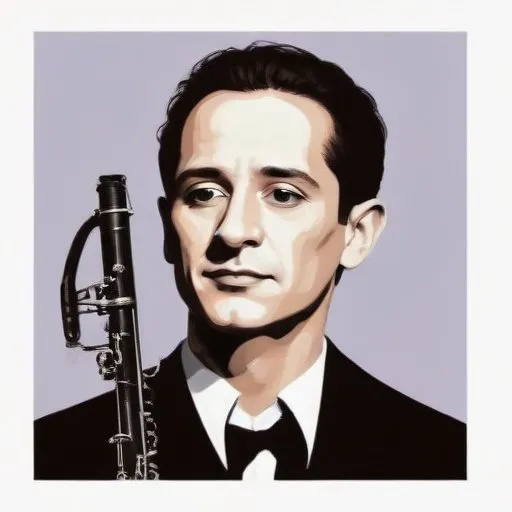
Noted for his innovative and expressive oboe playing, as well as his contributions to the development of the classical symphony, particularly in the galant style.
Giuseppe Sammartini, a renowned Italian composer and oboist, is celebrated for his exceptional musical talent, which elevated the level of oboe playing and inspired generations of musicians. Born on January 6, 1695, in Milan, Italy, Sammartini's professional life was marked by success in London, where he performed for the Prince of Wales, Frederick.
Sammartini's musical journey began under the guidance of his French father, Alexis SaintMartin, who taught him the oboe. He quickly mastered the instrument and went on to study flute and recorder, as was customary during that era. By the age of 22, Sammartini was already an accomplished oboist, performing at San Celso in Milan and later at the Teatro Regio Ducale in 1720.
In 1728, Sammartini traveled to London, where he would spend the rest of his life. He became a prominent figure in the city's music scene, performing at renowned venues such as Lincolns Inn Fields, Hickfords Room, and Castle concerts. His exceptional talent earned him the reputation as the greatest oboist the world had ever known.
Sammartini's compositional skills were equally impressive, with a deep understanding of counterpoint and harmony. He published several collections of trio sonatas, including a set of 12 published in London by Walsh & Hare. As a teacher, Sammartini mentored notable students, including the Englishman Thomas Vincent.
Sammartini's impact on Baroque music was significant, as he revolutionized the oboe's role in ensemble performances. His compositions and performances raised the bar for oboists, inspiring future generations to strive for excellence. His legacy continues to influence classical music to this day.
Giuseppe Sammartini's contributions to music are still celebrated today. His compositions continue to inspire and delight audiences, while his influence on the oboe has cemented his place in the annals of music history.
As we look back on Sammartini's remarkable life, we remember a true musical genius who left an indelible mark on the world of Baroque music.
Born in 1678
A virtuosic violinist and prolific composer, he crafted over 400 concertos, including "The Four Seasons," which remains a beloved and iconic masterpiece of classical music.
Born in 1685
A master of Baroque music, he composed over 1,000 works, including orchestral suites, cantatas, and passions, that still inspire and influence musicians today. His innovative use of counterpoint and harmony raised the bar for classical music.
Born in 1685
A renowned Baroque composer and organist, famous for creating majestic orchestral suites, operas, and oratorios, including the iconic "Messiah" masterpiece.
Born in 1685
A virtuosic harpsichordist and composer, renowned for crafting over 550 sonatas that showcased his innovative and expressive style, blending Italian and Portuguese influences. 42
Born in 1782
A virtuosic violinist and composer who revolutionized the instrument's technical possibilities, leaving an indelible mark on classical music.
Born in 1710
A Baroque composer, violinist, and organist who made significant contributions to the development of opera and sacred music, particularly with his famous "Stabat Mater" composition.
Born in 1714
A pioneering opera composer who revolutionized the art form with his innovative and expressive works, blending music and drama in a way that captivated audiences.
Born in 1686
A renowned Baroque composer and teacher, known for his operas and vocal music, influencing many famous composers, including Haydn and Mozart.
