


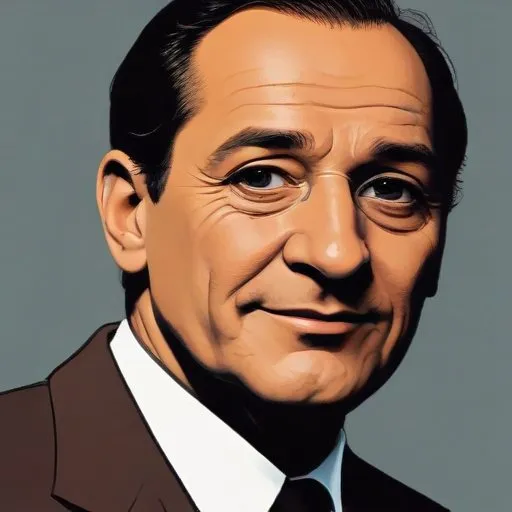
A German novelist who wrote about the lives of ordinary people during World War II and the Nazi era, capturing the struggles and horrors of that time. His novels are considered some of the most important and influential works of 20th-century German literature.
Hans Fallada, the renowned German writer, is best known for his poignant and introspective novels that capture the essence of ordinary lives during times of turmoil. His works, characterized by a unique blend of realism and emotional depth, have left an indelible mark on 20th-century literature.
Born Rudolf Wilhelm Friedrich Ditzen on July 21, 1893, in Greifswald, Germany, Fallada's life was marked by a series of struggles and challenges. His early years were shaped by his family's frequent relocations, which exposed him to diverse environments and experiences. This nomadic existence would later influence his writing, as he often drew upon his own experiences to craft relatable characters and narratives.
After a series of tumultuous years, marked by a tragic accident, typhoid, and struggles with addiction, Fallada discovered his passion for writing. His early works, heavily influenced by authors like Flaubert, Dostoevsky, and Dickens, reflected his fascination with the human condition. In 1911, he made a pact with a friend, Hanns Dietrich von Neuenhoff, to write a novel together, which would eventually become his debut, The Young Goedeschal.
Fallada's writing style, characterized by precision, detail, and a veneration for fact, aligned him with the New Objectivity movement. This literary style, popular in the 1920s and 1930s, sought to capture the essence of modern life through objective, reportage-style storytelling. His novels, such as Little Man, What Now? (1932) and Every Man Dies Alone (1947), epitomized this style, earning him critical acclaim and widespread recognition.
Fallada's commitment to portraying everyday lives with unflinching honesty and authenticity has left a lasting impact on modern literature. His works have been translated into numerous languages, and his influence can be seen in the writings of authors like Günter Grass and Uwe Johnson. Through his writing, Fallada continues to inspire generations of readers and writers, ensuring his legacy as one of Germany's most celebrated literary figures.
Fallada's writing often reflected his philosophical convictions, particularly his belief in the importance of individual autonomy and the power of human resilience. Through his characters, he explored the complexities of human nature, revealing the capacity for both good and evil. His works serve as a testament to the enduring power of literature to inspire empathy, compassion, and social change.
Born in 1898
A German-Swiss soldier and author, best known for writing the classic novel "All Quiet on the Western Front", a powerful anti-war tale that vividly depicts the horrors of World War I.
Born in 1898
A pioneering playwright and poet who revolutionized theater with his epic style, blending politics and art to create socially conscious works that continue to influence contemporary drama.
Born in 1871
A prominent literary figure of the early 20th century, known for his socially critical and psychologically nuanced novels that explored the darker aspects of German society. His works often targeted the bourgeoisie and the rise of fascism.
Born in 1875
A renowned literary mastermind, celebrated for crafting complex, psychologically rich novels that probed the human condition, often blending philosophy and art.
Born in 1878
A Polish-German physician and author who wrote influential novels that explored the human condition, blending psychology, philosophy, and social commentary. His works are considered precursors to magical realism.
98 Years Old
A renowned German writer and artist, celebrated for his influential and provocative works that explored the human condition, morality, and the complexities of German history and identity.
Born in 1917
A German novelist and short story writer, known for his critical and satirical portrayals of post-war German society, exploring themes of morality, politics, and identity. His works often blended realism with fantastical elements, offering a unique perspective on the human condition.
Born in 1877
A renowned poet, novelist, and painter, celebrated for his thought-provoking and introspective works that explore the human condition, spirituality, and the search for meaning. His writings often blended elements of psychology, philosophy, and mysticism.
