


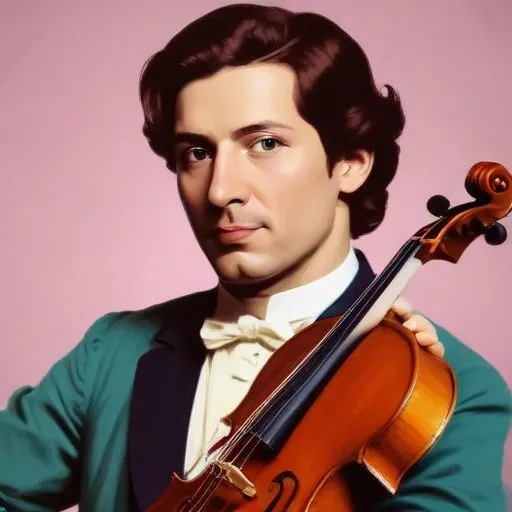
A virtuosic violinist and composer, he wrote innovative and technically demanding works that showcased his mastery of the instrument, influencing the development of the violin concerto. His music is still performed and admired today.
Heinrich Ignaz Franz Biber is renowned for his innovative and intricate compositions for the violin, which continue to astound audiences with their technical virtuosity and emotional depth. As one of the most prominent composers of the 17th century, Biber left an indelible mark on the classical music scene, transcending borders and centuries.
Born in 1644 in Wartenberg, Bohemia (now Str pod Ralskem, Czech Republic), Biber's early life was marked by a passion for music and a thirst for adventure. Little is known about his early education, but it is believed that he studied at a Jesuit Gymnasium in Troppau, Bohemia, and received musical training from a local organist.
Before 1668, Biber worked at the court of Prince Johann Seyfried von Eggenberg in Graz, where he developed his exceptional violin playing skills. He later joined the service of the Bishop of Olomouc, Karl II von Liechtenstein-Kastelkorn, in Krom, where he met his associate Pavel Josef Vejvanovsk, director of the Kapelle.
Biber's compositions showcase his mastery of the violin, pushing the boundaries of technical possibility and exploring the expressive potential of the instrument. His works include operas, sacred music, and chamber ensemble pieces, but it is his solo violin compositions that have earned him enduring acclaim.
Among Biber's most celebrated works are the Mystery Sonatas, a collection of 16 sonatas for solo violin that explore the mysteries of the rosary. The monumental passacaglia, which concludes the collection, is a testament to Biber's innovative spirit and technical genius.
During his lifetime, Biber's music was widely admired and emulated throughout Europe. In the late 18th century, music historian Charles Burney hailed him as the best violin composer of the 17th century. In the 20th century, Biber's music experienced a renaissance, and today his works are performed and recorded by musicians around the world.
Biber's contributions to music have been recognized with numerous awards and honors. In 1670, he was appointed as the court composer to the Archbishop of Salzburg, a position that cemented his reputation as a master composer.
In 1670, Biber made the bold decision to leave his employer, Prince-Bishop Karl Liechtenstein-Kastelkorn, and settle in Salzburg, where he spent the rest of his life. This move marked a turning point in his career, allowing him to focus on his compositions and leave a lasting impact on the world of classical music.
Biber's relationships with his contemporaries, including Pavel Josef Vejvanovsk, played a significant role in shaping his career and artistic development. These connections not only facilitated his rise to fame but also influenced the trajectory of his compositional style.
Heinrich Ignaz Franz Biber's remarkable life and legacy continue to inspire and captivate audiences today. As a virtuosic violinist and innovative composer, he left an indelible mark on the classical music world, cementing his place as one of the most important figures of the Baroque era.
Born in 1678
A virtuosic violinist and prolific composer, he crafted over 400 concertos, including "The Four Seasons," which remains a beloved and iconic masterpiece of classical music.
Born in 1685
A master of Baroque music, he composed over 1,000 works, including orchestral suites, cantatas, and passions, that still inspire and influence musicians today. His innovative use of counterpoint and harmony raised the bar for classical music.
Born in 1685
A renowned Baroque composer and organist, famous for creating majestic orchestral suites, operas, and oratorios, including the iconic "Messiah" masterpiece.
Born in 1653
A virtuosic violinist and composer who revolutionized the concerto grosso form, creating a new era of classical music. His influential works elevated the violin to a solo instrument, shaping the course of Western classical music.
Born in 1659
A renowned Baroque composer, known for his iconic opera "Dido and Aeneas" and contributions to English classical music.
Born in 1632
A 17th-century mastermind who revolutionized French opera, creating lavish productions that captivated the royal court and beyond. He's credited with establishing the French opera tradition.
Born in 1668
A renowned Baroque composer and organist, known for his intricate and expressive harpsichord music that showcased his mastery of counterpoint and ornamentation. His works continue to inspire and influence classical music today.
Born in 1692
A virtuosic violinist and composer who wrote over 150 concertos and sonatas, known for his technically demanding and expressive works that showcased his mastery of the instrument.
