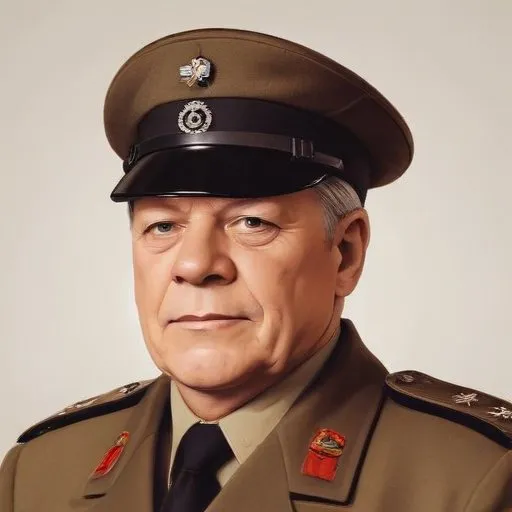
A German leader who served as Chancellor from 1974 to 1982, known for his pragmatic and socially liberal policies, and his key role in shaping the European Union. He was also a respected economist and published author.
Helmut Schmidt: The Visionary Chancellor of West Germany
A Legacy of Economic Reform and International Cooperation
Helmut Schmidt is remembered as one of the most influential politicians in post-war Germany, serving as the Chancellor of West Germany from 1974 to 1982. During his tenure, he oversaw significant economic reforms, played a crucial role in shaping international relations, and championed European integration.
Early Life and Education
Born on December 23, 1918, in Hamburg, Germany, Schmidt was the elder of two sons to teachers Ludovica Koch and Gustav Ludwig Schmidt. He studied at Hamburg's Lichtwark School, graduating in 1937. Schmidt's family had a complex history, with his father being born to a German Jewish banker and a Christian waitress, later adopting the surname Schmidt.
Rise to Power
Schmidt's political career began in the 1950s as a member of the Social Democratic Party of Germany (SPD). He served as the Minister of Defense from 1969 to 1972 and Minister of Finance from 1972 to 1974 in the government of Willy Brandt. During this period, he gained recognition for his sound financial policies, which laid the foundation for his future success.
Chancellorship and Major Accomplishments
As Chancellor, Schmidt focused on international affairs, seeking to strengthen European cooperation and coordination. He played a key role in shaping the European Monetary System (EMS) in 1978, which aimed to stabilize European currencies and pave the way for a single currency. Schmidt was also instrumental in the NATO Double-Track Decision in 1979, which involved deploying U.S. Pershing II missiles to Europe in response to the Soviet Union's military buildup.
Personal Milestones and Key Life Events
1969: Became Minister of Defense
1972: Became Minister of Finance
1974: Elected as Chancellor of West Germany
1976: Reelected as Chancellor
1980: Reelected as Chancellor for a third term
1982: Coalition government fell apart, marking the end of his chancellorship
1986: Retired from Parliament
Influence on Modern Society
Schmidt's legacy extends beyond his chancellorship. He was a strong advocate for European integration, which has had a profound impact on modern European politics and economy. His economic policies and international cooperation have inspired future generations of politicians and policymakers.
Controversies and Public Perception
During his tenure, Schmidt faced criticism from the left wing of the SPD, who opposed his defense and economic policies. Additionally, his stance on deploying U.S. missiles in Europe sparked controversy and public protests.
Philosophical Contributions and Beliefs
Schmidt's political philosophy centered around the importance of international cooperation, economic stability, and European integration. He believed in the power of diplomacy and dialogue in resolving global conflicts.
Quotes and Memorable Sayings
"The future of Europe is not a problem, it's a task."
"We must not allow ourselves to be driven by fear, but by hope and confidence."
Historical Context and Legacy
Schmidt's chancellorship coincided with a tumultuous period in world politics, marked by the Cold War and the Soviet invasion of Afghanistan. Despite these challenges, he remained committed to his vision of a united Europe and played a crucial role in shaping the continent's destiny.
Comparative Analysis with Contemporaries
Schmidt's leadership style and policies are often compared to those of his contemporaries, such as French President Valéry Giscard d'Estaing and British Prime Minister Margaret Thatcher. While they shared some similarities, Schmidt's commitment to European integration and international cooperation set him apart.
Awards and Honors
Schmidt received numerous awards and honors for his contributions to politics and international relations, including the Charlemagne Prize in 1978 and the Presidential Medal of Freedom in 1986.
Personal Relationships and Anecdotes
Schmidt was known for his strong relationships with world leaders, including U.S. President Jimmy Carter and French President François Mitterrand. His diplomatic skills and ability to build coalitions earned him respect and admiration from his peers.
Impact on Pop Culture
Schmidt's legacy has been referenced in various forms of media, including films, literature, and music. His commitment to European integration and international cooperation continues to inspire artists and writers.
Charitable Work and Social Contributions
Throughout his life, Schmidt remained committed to social and charitable causes, supporting organizations focused on education, healthcare, and economic development.
Inspirational Stories and Motivations
Schmidt's life serves as a testament to the power of determination, hard work, and vision. His commitment to creating a better future for Germany and Europe continues to inspire future generations of leaders and policymakers.
Visual Timeline and Milestones
Visual Timeline of Helmut Schmidt's Life and Career
Trivia and Fun Facts
Schmidt was a talented pianist and enjoyed playing classical music in his free time.
He was known for his love of cigars and fine wine.
Schmidt was an avid reader and had a vast collection of books on history, politics, and literature.
In conclusion, Helmut Schmidt's legacy as a visionary leader, economist, and diplomat continues to shape modern European politics and international relations. His commitment to European integration, economic reform, and social justice has inspired generations of leaders and policymakers, cementing his place as one of the most influential politicians in post-war Germany.
Timeline
1918
Born in Hamburg
Helmut Schmidt was born on December 23, 1918, in Hamburg, Germany.
1945
Joined Social Democratic Party
Schmidt joined the Social Democratic Party of Germany and began his political career.
1969
Became Minister of Defense
Schmidt became the Minister of Defense of Germany, a position he held until 1972.
1974
Chancellor of Germany
Schmidt became the Chancellor of Germany, serving from 1974 to 1982 and playing a key role in shaping European politics.
2015
Passed Away
Helmut Schmidt passed away on November 10, 2015, at the age of 96, leaving behind a legacy of statesmanship and a commitment to European integration.
Helmut Schmidt Quiz
Score: 0/5
FAQ
What were Helmut Schmidts achievements as Chancellor of Germany?
Helmut Schmidt served as the 5th Chancellor of Germany from 1974 to 1982, and his achievements include maintaining West Germanys economic stability, leading the country through the 1973 oil crisis, and playing a key role in shaping European economic policies.
How did Helmut Schmidt contribute to European integration?
Helmut Schmidt was a strong proponent of European integration and played a crucial role in shaping the European Monetary System. He worked closely with French President Valéry Giscard dEstaing to establish the European Monetary System, which paved the way for the creation of the euro.
What was Helmut Schmidts role in the Cold War?
Helmut Schmidt played a key role in maintaining West Germanys security during the Cold War. He was a strong supporter of NATO and worked closely with the United States to counter the Soviet Unions influence in Europe.
How did Helmut Schmidts economic policies impact Germany?
Helmut Schmidts economic policies focused on maintaining low inflation, reducing unemployment, and promoting economic growth. His government introduced policies to support small and medium-sized businesses, and he played a key role in shaping the European Unions economic policies.
What awards did Helmut Schmidt receive for his services?
Helmut Schmidt received numerous awards for his services, including the Presidential Medal of Freedom, the highest civilian honor in the United States. He was also awarded the Charlemagne Prize for his contributions to European integration.
The 7th Chancellor of Germany, a lawyer-turned-politician, led the country from 1998 to 2005, implementing significant economic and social reforms. He's known for his efforts to modernize Germany and strengthen the European Union.
The first female Chancellor of Germany, serving for 16 years, known for her leadership during the European sovereign-debt crisis and her role in shaping the European Union's policy. She's a highly influential figure in modern politics.
German Minister of Finance from 2005 to 2009, known for his efforts to mitigate the effects of the global financial crisis and his role in shaping the European Union's economic policies.
A German lawyer and politician who served as the country's Vice-Chancellor from 2009 to 2013, known for his liberal policies and advocacy for human rights and democracy.
A Polish-German economist and politician who served as the 9th President of Germany, known for his efforts to strengthen the European Union and promote global economic cooperation. He's also a former IMF Managing Director.
A German lawyer and politician who served as the 7th President of Germany, known for his role in shaping the country's post-reunification era and advocating for European integration.
The eighth Federal President of Germany, a journalist-turned-politician who played a key role in shaping the country's post-reunification era, known for his commitment to European integration and social justice.