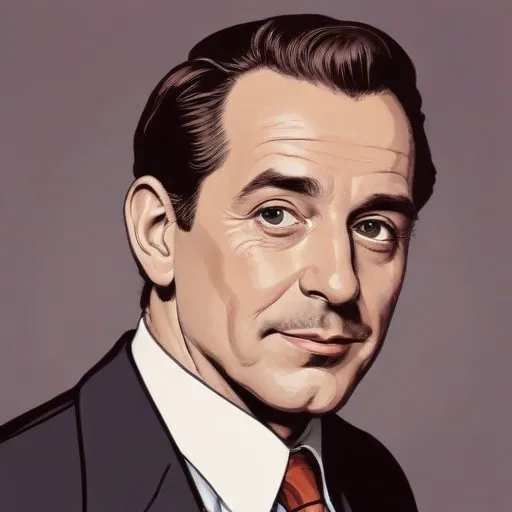
Henry Adams

Henry Adams

Henry Adams was born on February 16th, 1838

Full Name: Henry Brooks Adams
Place of Birth: Boston, Massachusetts, USA
Profession: Journalist, Historian, and Author
Nationality: American
Known For: Pulitzer Prize Winner
Birth Date: February 16, 1838
Death Date: March 27, 1918
Notable Works: The Education of Henry Adams

A pioneering journalist, historian, and author who explored the complexities of American history and politics, particularly in his autobiography, "The Education of Henry Adams".

Written by: Thomas Blackwood Thomas Blackwood

Henry Adams: The Historian Who Redefined American History

A Pioneering Historian and Member of the Adams Family

Henry Brooks Adams, a scion of the esteemed Adams family, left an indelible mark on American historiography with his monumental work, The History of the United States of America 1801-1817, a nine-volume magnum opus that showcased his mastery of literary style, command of documentary evidence, and intimate family knowledge of the period and its prominent figures.

Early Life and Influences

Born on February 16, 1838, in Boston, Massachusetts, Adams was immersed in a world of politics and intellectual curiosity from a young age. His father, Charles Francis Adams, Sr., was Abraham Lincoln's ambassador to the United Kingdom, and his grandfather, John Quincy Adams, was a former U.S. President. This familial background instilled in Adams a deep understanding of American history and politics.

Adams' education at Harvard University, where he graduated in 1858, laid the foundation for his future endeavors. A subsequent grand tour of Europe, during which he attended lectures in civil law at the University of Berlin, further broadened his intellectual horizons.

A Historian and Journalist

Adams' early career as a secretary to his father in London exposed him to the intricacies of wartime diplomacy and the works of prominent thinkers like John Stuart Mill. This experience greatly influenced his later writing and thinking. Upon his return to the United States, Adams became a respected political journalist, entertaining prominent intellectuals at his homes in Washington and Boston.

Major Works and Legacy

Adams' crowning achievement, The History of the United States of America 1801-1817, cemented his reputation as a meticulous historian and masterful storyteller. This sweeping narrative, published between 1889 and 1891, has been praised for its literary elegance, exhaustive research, and nuanced insights into the period's major figures.

Adams' memoir, The Education of Henry Adams, published posthumously in 1918, won the Pulitzer Prize and was later named the best English-language nonfiction book of the 20th century by the Modern Library.

Philosophical Contributions and Beliefs

Adams' writing reflects a deep empathy for human experience, as well as a commitment to understanding the complexities of American history. His work often underscored the tension between individualism and the collective good, as well as the role of intellectuals in shaping public discourse.

Influence on Modern Society

Adams' historiographical innovations, which combined meticulous research with lyrical prose, have inspired generations of historians and writers. His work has also enriched public understanding of American history, shaping the way we think about the nation's formative years.

Personal Milestones and Key Life Events

Impact on Pop Culture

Adams' work has transcended academic circles, influencing popular perceptions of American history and informing literary and cultural works. His writing has inspired authors, historians, and filmmakers, ensuring his legacy extends far beyond the realm of academic historiography.

Trivia and Fun Facts

Historical Context and Legacy

Henry Adams' remarkable life and work serve as a testament to the power of intellectual curiosity, rigorous research, and masterful storytelling. His contributions to American historiography have left an indelible mark, ensuring his legacy as one of the most esteemed historians of the 19th and 20th centuries.
Timeline
1838
Born in Boston
Henry Adams was born on February 16, 1838, in Boston, Massachusetts. He would go on to become a prominent journalist, historian, and author.
1858
Started Writing
Adams began writing, initially focusing on politics and history.
1870
Published The Education
Adams published his autobiography, The Education of Henry Adams, which became a classic of American literature.
1884
Wrote Democracy
Adams wrote his novel Democracy, which satirized the corruption and decadence of American politics.
1918
Died in Washington
Adams passed away on March 27, 1918, in Washington, D.C., leaving behind a legacy as one of Americas most important historians and writers.
Henry Adams

Henry Adams Quiz

What was Henry Adams' profession?

Score: 0/5
FAQ
What was Henry Adams known for?
Henry Adams was an American journalist, historian, and author known for his works on American history and politics, particularly his nine-volume History of the United States of America During the Administrations of Thomas Jefferson and James Madison.
What was Henry Adamss early life like?
Henry Adams was born in Boston, Massachusetts, and grew up in a family of politicians and intellectuals. He studied at Harvard University and later worked as a journalist and editor.
What were Henry Adamss literary influences?
Henry Adams was influenced by the works of European writers such as Charles Dickens and Thomas Carlyle, as well as by American writers such as Ralph Waldo Emerson.
What was Henry Adamss most notable work?
Henry Adamss most notable work is perhaps his autobiography The Education of Henry Adams, which won the Pulitzer Prize in 1919.
What was Henry Adamss legacy?
Henry Adamss legacy as a historian and writer has endured, and he is still celebrated as one of Americas most important and innovative historians of the 19th and early 20th centuries.

Related People:

Theodore Roosevelt

Born in 1858

A pioneering leader who championed progressive reforms, trust-busting, and conservation, earning a Nobel Peace Prize for mediating the Russo-Japanese War. He's also famous for his rugged outdoorsmanship and "big stick" diplomacy.

Woodrow Wilson

Born in 1856

The 28th President of the United States, a Nobel Peace Prize winner, and a historian who played a key role in shaping international relations and global governance after World War I. He's most known for his idealistic vision of a League of Nations and his efforts to promote peace and diplomacy.

Ulysses S. Grant

Born in 1822

Led the Union Army to victory in the Civil War and later became President, known for issuing the Emancipation Proclamation and strengthening federal authority.

Abraham Lincoln

Born in 1809

Led the United States through its Civil War and ultimately abolished slavery, leaving a lasting legacy in American history.

Mark Twain

Born in 1835

Witty writer of classics like "The Adventures of Tom Sawyer" and "The Adventures of Huckleberry Finn", known for humor and social commentary.

Edith Wharton

Born in 1862

A pioneering female author of novels and short stories that explored the social conventions and morals of the Gilded Age, known for her witty and insightful portrayals of the American aristocracy.

Henry James

Born in 1843

A renowned literary mastermind, celebrated for crafting psychologically complex, atmospheric novels and short stories that probed the human condition, often exploring the intricacies of the American and European aristocracy.

William Jennings Bryan

Born in 1860

A prominent lawyer and politician who served as Secretary of State, famously advocating for progressive reforms and delivering the iconic "Cross of Gold" speech. He's also known for his role in the Scopes Trial, debating evolution in schools.