


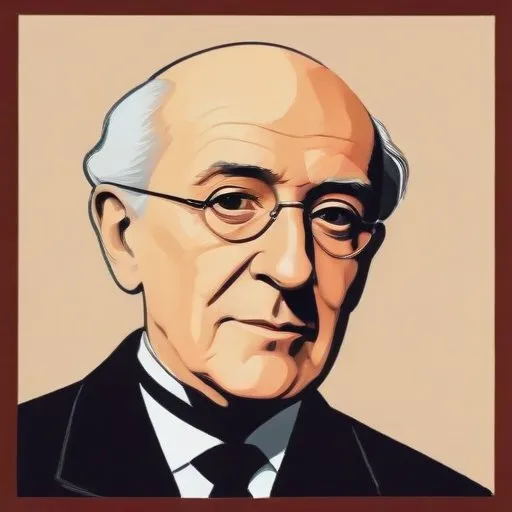
A British composer and conductor, known for his work in the avant-garde and serialist movements, creating complex and innovative musical pieces.
Humphrey Searle, a British composer and writer, left an indelible mark on the world of classical music. His unique blend of late Romanticism and modernist serialism, heavily influenced by his mentors Franz Liszt, Arnold Schoenberg, and Anton Webern, set him apart as a pioneering figure in the UK's serial music scene.
Searle was born on August 26, 1915, in Oxford, England, to Humphrey and Charlotte Searle. His maternal grandfather, Sir William Schlich, was a prominent figure in the scholarly community. Searle's early academic pursuits in classics at Oxford University laid the groundwork for his later musical endeavors. He went on to study music at the Royal College of Music in London, where he was mentored by John Ireland.
A six-month scholarship took Searle to Vienna, where he became a private pupil of Anton Webern, a renowned composer and serialist. This pivotal experience proved decisive in shaping Searle's compositional style. Under Webern's guidance, Searle delved into the world of serialism, which would later become a hallmark of his work.
Searle's roles as a producer at the BBC (1946-1948) and General Secretary of the International Society for Contemporary Music (1947-1949) enabled him to champion serial music in the UK. He was instrumental in promoting the works of Liszt, about whom he wrote extensively and created the initial cataloguing system. Searle's dedication to Liszt's legacy culminated in his iconic Piano Sonata, Op. 21, which drew inspiration from Liszt's Sonata in B minor.
Humphrey Searle's groundbreaking contributions to serial music and his tireless advocacy for Liszt's legacy have left an enduring impact on the world of classical music. His unique compositional style, which blended tradition and innovation, continues to inspire generations of musicians and composers.
Searle's passing on May 12, 1982, marked the end of an era, but his music and writings remain a testament to his vision and dedication to the world of classical music.
Born in 1905
A renowned composer and conductor, known for blending modernist and romantic elements in his works, creating a unique and expressive sound. His operas and symphonies are highly acclaimed for their lyricism and dramatic intensity.
Born in 1913
A renowned musician who masterfully blended classical and opera styles, creating iconic works like "Peter Grimes" and "The Young Person's Guide to the Orchestra".
Born in 1902
A renowned composer of orchestral and choral works, particularly famous for his iconic score for Laurence Olivier's 1944 film "Henry V" and his ceremonial music for British coronations.
Born in 1872
A renowned composer and educator, he's celebrated for his symphonies and folk-song inspired works that evoke a sense of English heritage and nostalgia. His music is a testament to his love for his homeland's cultural roots.
Born in 1874
A renowned composer and educator, best known for his orchestral suite "The Planets", which evokes a sense of cosmic wonder and exploration. His music is a staple of classical repertoire, still widely performed today.
Born in 1857
A renowned composer and educator, best known for his iconic orchestral works, including the majestic "Pomp and Circumstance" march, which is a staple at graduations worldwide.
Born in 1862
A pioneering composer of the early 20th century, known for his impressionistic and expressive works that evoke a sense of nature and the human experience. His music is characterized by lush harmonies and orchestration.
Born in 1883
A celebrated composer and poet, he crafted symphonies, concertos, and tone poems that showcased his mastery of orchestration and poetic flair. His works evoke a sense of mysticism and Celtic mythology.
