


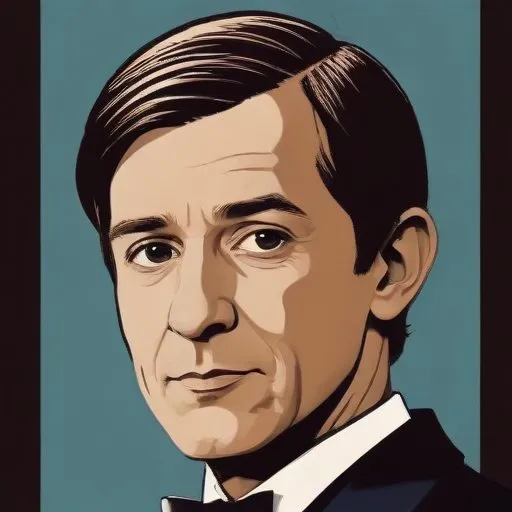
A renowned Baroque-era organist and composer, known for his intricate and expressive harpsichord pieces that showcased his mastery of counterpoint and ornamentation.
Jacques Duphly, a renowned French harpsichordist and composer, left an indelible mark on the world of classical music. Born on January 12, 1715, in Rouen, France, Duphly's exceptional talent and dedication earned him a prominent place in the hearts of music lovers and critics alike.
Duphly's early life was steeped in music, thanks to his father, Jacques-Agathe Duphly, and his mother, Marie-Louise Boivin. He studied the harpsichord and organ from a tender age and soon became an adept organist. His talent earned him a position at the cathedral in Évreux at just 19 years old.
In 1742, after the death of his father, Duphly relocated to Paris, where he abandoned playing the organ and devoted himself to the harpsichord. His exceptional skills as a performer and teacher made him a celebrated figure in Paris. According to Louis-Claude Daquin, Duphly's "lightness of touch and a certain softness" set him apart, making him a sought-after harpsichordist.
Duphly published four volumes of harpsichord music between 1744 and 1768. These collections showcased his mastery of the instrument and include notable works like "La Pothouin." His compositions were highly regarded by his contemporaries, including the esteemed harpsichord maker, Pascal Taskin.
Duphly's expertise extended to teaching, and he was considered one of the best harpsichord instructors in Paris. His students benefited from his vast knowledge and exceptional skill, allowing them to flourish as harpsichordists in their own right.
After publishing his fourth volume of works, Duphly seemingly vanished from public life, leaving behind a rich legacy. His contributions to the world of harpsichord music continue to inspire and delight audiences today. Despite his mysterious disappearance, Duphly's impact on classical music endures.
Through his remarkable talent, compositions, and teaching, Jacques Duphly cemented his place as one of the most revered harpsichordists of his time. His enduring legacy continues to captivate audiences, ensuring his music remains an integral part of classical music heritage.
Born in 1683
A prominent figure in the Baroque period, this composer and theorist revolutionized Western classical music with innovative harmonies and treatises on music theory, shaping the course of classical music.
Born in 1668
A renowned Baroque composer and organist, known for his intricate and expressive harpsichord music that showcased his mastery of counterpoint and ornamentation. His works continue to inspire and influence classical music today.
Born in 1672
A renowned Baroque-era organist and composer, known for his innovative and expressive organ music, particularly his "Livre d'Orgue" which showcased his mastery of the instrument.
Born in 1707
A renowned French Baroque musician and writer, known for composing numerous operas, oratorios, and instrumental works, as well as authoring influential music theory books.
Born in 1694
A renowned Baroque composer and organ virtuoso, known for his innovative and expressive harpsichord pieces, particularly his "Cuckoo and Nightingale" composition.
Born in 1665
A pioneering female composer of the Baroque period, known for her innovative and expressive harpsichord music that blended French and Italian styles.
Born in 1685
A virtuosic harpsichordist and composer, renowned for crafting over 550 sonatas that showcased his innovative and expressive style, blending Italian and Portuguese influences. 42
Born in 1678
A virtuosic violinist and prolific composer, he crafted over 400 concertos, including "The Four Seasons," which remains a beloved and iconic masterpiece of classical music.
