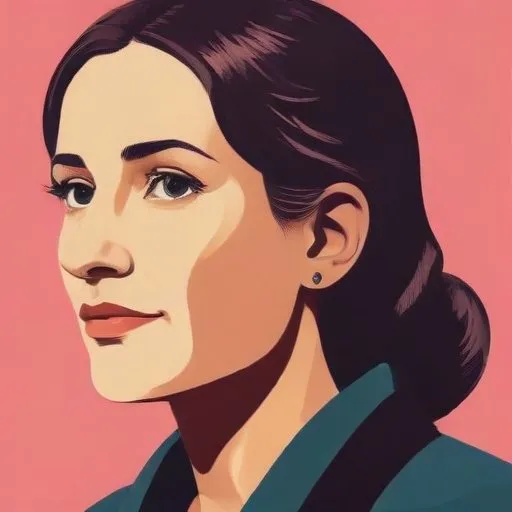
Jadwiga Uszczewska: The Literary Luminary of 19th Century Poland
A Prolific Poet, Novelist, and Salonnière
Jadwiga Uszczewska, pen name Deotyma Diotima, was a renowned Polish poet, novelist, and salonnière who left an indelible mark on the literary landscape of 19th century Poland. Born on July 1, 1834, in Warsaw, she went on to become one of the most celebrated writers of her time, known for her vivid storytelling, lyrical poetry, and unwavering dedication to the preservation of Polish culture.
Early Life and Literary Beginnings
Uszczewska's love affair with literature began at a tender age. Growing up in Warsaw, she was surrounded by the city's vibrant cultural scene, which instilled in her a deep appreciation for the arts. Her debut novel,
Lech, published in 1859, marked the beginning of a prolific writing career that spanned over four decades.
A Life of Literary Achievement
Throughout her illustrious career, Uszczewska wrote numerous novels, poems, and short stories that captivated the hearts of Polish readers. Some of her most notable works include
Branki w jasyrze (1889),
Panienka z okienka (1898), and
Sobieski pod Wiedniem (1908). Her literary contributions were not limited to fiction alone; she also wrote extensively on history, folklore, and cultural heritage.
The Salonnière of Warsaw
Uszczewska's salon, a hub for intellectual and artistic gatherings, played a significant role in shaping Warsaw's cultural identity. Her salons attracted prominent writers, artists, and intellectuals, providing a platform for lively debates, discussions, and creative exchange. This institution became a beacon of cultural enlightenment, fostering a spirit of collaboration and innovation that continues to inspire Polish artists to this day.
A Legacy of Cultural Preservation
Uszczewska's lifelong dedication to preserving Polish culture and heritage earned her a revered place in the annals of Polish literature. Her work not only reflected the nation's rich cultural tapestry but also helped shape its identity during a period of significant social and political change.
Personal Milestones and Key Life Events
- 1834: Born on July 1st in Warsaw, Poland
- 1859: Publishes debut novel, Lech
- 1889: Publishes Branki w jasyrze, a collection of short stories
- 1898: Publishes Panienka z okienka, a novel
- 1908: Publishes Sobieski pod Wiedniem, a historical novel
- 1908: Passes away on September 23rd in Warsaw, Poland
Philosophical Contributions and Beliefs
Uszczewska's writing often reflected her deep-seated love for Poland and its people. Her work embodies a strong sense of national pride, cultural heritage, and a commitment to preserving the nation's rich literary traditions.
Influence on Modern Society
Jadwiga Uszczewska's contributions to Polish literature have had a lasting impact on modern society. Her work continues to inspire new generations of writers, artists, and intellectuals, shaping the cultural landscape of Poland and beyond.
Trivia and Fun Facts
- Uszczewska's pen name, Deotyma Diotima, was inspired by the Greek philosopher Diotima of Mantinea.
- Her salon was known for its vibrant atmosphere, with guests often staying until the early hours of the morning, engaged in lively debates and discussions.
Remembering Jadwiga Uszczewska
Today, Jadwiga Uszczewska is celebrated as a literary icon, a champion of Polish culture, and a beacon of inspiration for generations to come. Her life's work serves as a testament to the power of literature to shape our understanding of the world and our place within it.
FAQ
What was Jadwiga Łuszczewskas contribution to Polish literature?
Jadwiga Łuszczewska was a prominent Polish poet and author who made significant contributions to Polish literature. Her works are known for their beauty, elegance, and exploration of social issues.
How did Jadwiga Łuszczewskas poetry reflect her views on Polish identity?
Jadwiga Łuszczewskas poetry often reflected her strong sense of Polish identity and her desire to preserve Polish culture and traditions.
What was Jadwiga Łuszczewskas role in the Polish feminist movement?
Jadwiga Łuszczewska was an active participant in the Polish feminist movement, advocating for womens rights and education.
How did Jadwiga Łuszczewskas experiences as a woman influence her writing?
Jadwiga Łuszczewskas experiences as a woman deeply influenced her writing, which often explored themes of love, family, and social justice.
What is Jadwiga Łuszczewskas legacy in Polish literary history?
Jadwiga Łuszczewskas legacy in Polish literary history is that of a pioneering figure who shaped the countrys literary tradition. She is remembered for her poetry, her activism, and her commitment to Polish culture.