


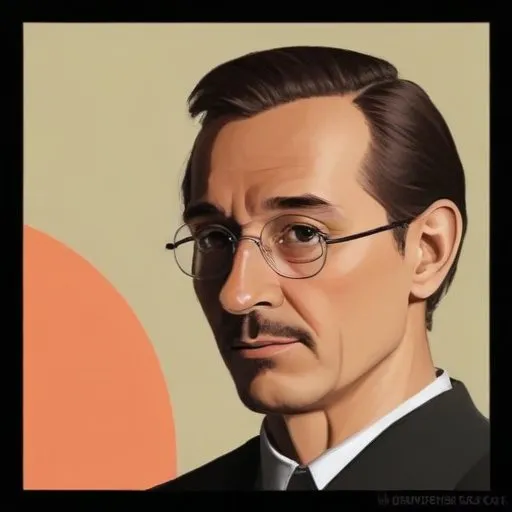
A Czech composer and educator who wrote symphonies, operas, and chamber music, and was a prominent figure in the development of classical music in Prague. He was also a teacher and influenced many notable composers.
Jan Antonn Koeluh, a renowned Czech composer, is known for his extensive contributions to the world of classical music, leaving behind a legacy of 45 masses, a requiem, an oratorio, two operas, four symphonies, and several woodwind concertos. His remarkable talent and dedication earned him the title of one of the most respected Czech composers of his time.
Born on December 14, 1738, in Velvary, Koeluh began his musical journey as a pupil of Josef Seger and later studied under the Jesuits in Brenitz. He further honed his skills in Vienna under the guidance of illustrious composers Christoph Willibald von Gluck and Florian Gassmann.
In 1784, Koeluh became the concert master in St. Vitus Cathedral, a position he held for thirty years. During this period, he also served as the organist at the Strahov Monastery. His impressive career was marked by the production of numerous compositions, showcasing his mastery of different genres.
Koeluh's operatic contributions are particularly noteworthy, with two of his most famous works being Allesandro nell'Indie, performed in 1769, and Demofoonte, which premiered in 1772. These Italian operas demonstrate his aptitude for crafting engaging narratives and melodies.
Koeluh played a significant role in the life of his cousin, Leopold Koeluch, whom he taught and mentored. Leopold, originally named Jan Antonin Koeluh, changed his name in 1773 to distinguish himself from his esteemed cousin.
Koeluh's compositions continue to be celebrated for their beauty and complexity. His influence on classical music is undeniable, and his works remain a testament to his dedication to the art form. As one of the most respected Czech composers of his time, Koeluh's legacy continues to inspire and delight audiences.
Jan Antonn Koeluh's contributions to classical music are a reflection of his tireless efforts and exceptional talent. As a composer, teacher, and mentor, he left an indelible mark on the world of music, ensuring his legacy will continue to endure for generations to come.
Born in 1756
A child prodigy and master of classical music, he composed over 600 works, including symphonies, operas, and chamber music, that continue to inspire and influence musicians today.
Born in 1770
A musical genius who expanded the possibilities of classical music, creating iconic symphonies and piano sonatas that continue to inspire and influence generations of artists.
Born in 1714
A pioneering opera composer who revolutionized the art form with his innovative and expressive works, blending music and drama in a way that captivated audiences.
Born in 1732
A renowned composer and pianist of the Classical period, known for his symphonies, operas, and chamber music that showcased his innovative and expressive style. He played a significant role in shaping the Classical music era.
Born in 1782
A virtuosic violinist and composer who revolutionized the instrument's technical possibilities, leaving an indelible mark on classical music.
Born in 1752
A renowned pianist, composer, and conductor who revolutionized piano music with his technically demanding and expressive compositions, influencing generations of musicians.
Born in 1749
An 18th-century Italian composer and educator, known for his operas and sacred music, particularly his comic operas that showcased his mastery of melody and harmony.
Born in 1750
A renowned 18th-century composer and conductor, known for his operas and rivalry with Mozart, as depicted in the movie Amadeus.
