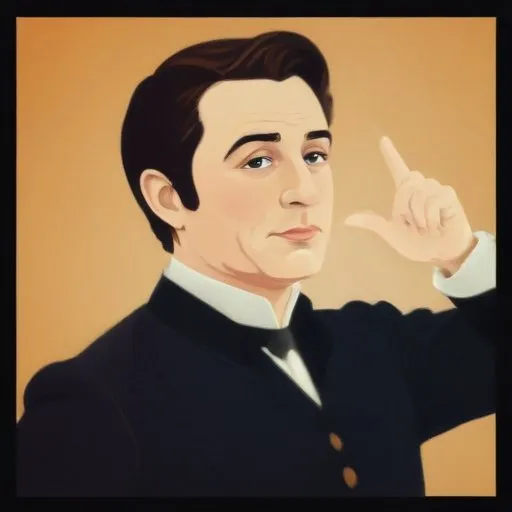
JeanFranois Paillard: The Conductor Who Brought Baroque Music to the Masses
A Pioneer in Baroque Music Revival
JeanFranois Paillard was a renowned French conductor, known for his significant contribution to the revival of Baroque music in the 20th century. He is particularly famous for his 1968 recording of
Johann Pachelbel's Canon and Gigue for 3 violins and basso continuo, which propelled the piece from obscurity to worldwide recognition.
Early Life and Education
Born on April 12, 1928, in Vitry-le-François, France, Paillard received his musical training at the prestigious Conservatoire de Paris, where he won first prize in music history. He also earned a degree in mathematics at the Sorbonne, showcasing his remarkable academic abilities.
Founding the Orchestre de Chambre JeanFranois Paillard
In 1953, Paillard founded the
Jean-Marie Leclair Instrumental Ensemble, which later evolved into the Orchestre de Chambre JeanFranois Paillard in 1959. This ensemble became a hub for Baroque music performance and recording, with Paillard at the helm.
A Prolific Recording Career
Throughout his career, Paillard released an astonishing 307 records, many of which featured his ensemble's performances of Baroque masterpieces. His recordings with Erato Records and other labels helped popularize Baroque music, making it accessible to a wider audience.
The Pachelbel Canon Phenomenon
Paillard's 1968 recording of Pachelbel's Canon and Gigue for 3 violins and basso continuo is arguably his most notable achievement. This recording, done in a more Romantic style, introduced the piece to a broader audience, and its popularity snowballed in the following decades. The recording was prominently featured in the soundtrack of the 1980 film Ordinary People, further cementing its place in popular culture.
Awards and Honors
Paillard's contributions to music were recognized with various awards and honors, including his appointment as an Officer of the Legion of Honor in 2003.
Legacy and Impact
JeanFranois Paillard's legacy extends beyond his own performances and recordings. He played a crucial role in popularizing Baroque music, paving the way for future generations of musicians and conductors. His influence can be seen in the many ensembles and orchestras that have followed in his footsteps, dedicated to performing and recording Baroque music.
Personal Life and Later Years
Paillard was an accomplished author, editor, and educator, publishing several books on music, including La musique française classique in 1960. He died on April 15, 2013, leaving behind a rich legacy that continues to inspire and delight music lovers worldwide.
- Paillard's ensemble performed with many renowned French instrumentalists, including Maurice André, Jean-Pierre Rampal, and Lily Laskine.
- He frequently appeared as a guest conductor with other orchestras, sharing his expertise and passion for Baroque music.
- Paillard's recordings have been praised for their historical accuracy, attention to detail, and expressive performance.
FAQ
What was Jean-François Paillards most famous musical ensemble?
Jean-François Paillards most famous musical ensemble was the Paillard Chamber Orchestra, which he founded in 1953 and led for over 40 years.
What was Jean-François Paillards conducting style?
Jean-François Paillard was known for his precise and nuanced conducting style, which emphasized the importance of chamber music and smaller ensembles.
Did Jean-François Paillard record extensively?
Jean-François Paillard recorded extensively throughout his career, leaving behind a legacy of over 200 albums and CDs.
What was Jean-François Paillards contribution to French music?
Jean-François Paillard made significant contributions to French music, promoting the works of French composers and showcasing French musical talent around the world.
Is Jean-François Paillard still active in the music world?
Jean-François Paillard passed away on April 15, 2013, at the age of 85, leaving behind a legacy of dedication to classical music and the promotion of French cultural heritage.