


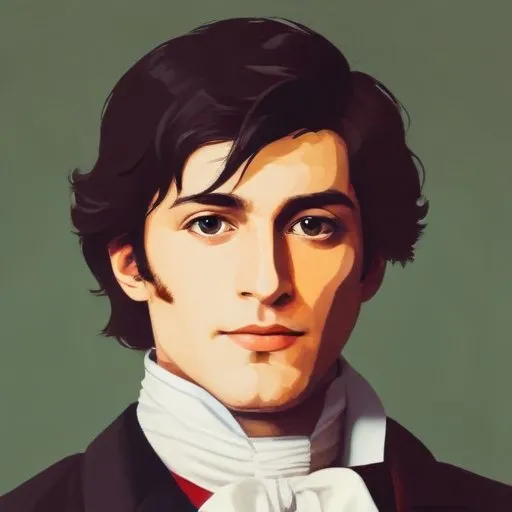
A German Baroque composer and violinist, known for his orchestral suites and contributions to the development of the concerto grosso form. His music bridged the styles of Bach and Handel.
Johann Friedrich Fasch, a German violinist and composer, is renowned for his extraordinary talent in creating music that seamlessly bridged the gap between the Baroque and Classical styles, earning him a unique place in the world of classical music. His compositions, characterized by their elegance and charm, have left an indelible mark on the music world, with many considering him one of the most underrated composers of his era.
Born on April 15, 1688, in the town of Buttelstedt, near Weimar, Fasch was the eldest child of schoolmaster Friedrich Georg Fasch and his wife Sophie Wegerig. Following his father's untimely death in 1700, Fasch was taken under the wing of his maternal uncle, the clergyman Gottfried Wegerig, in Gera, where he began to develop his musical talents.
Fasch's music education took off when he studied under the esteemed composer Johann Kuhnau at the St. Thomas School in Leipzig. It was during this period that he founded a Collegium Musicum in Leipzig, a testament to his entrepreneurial spirit and passion for music. His early compositions, including opera and cantatas, showcased his incredible skill and versatility.
In 1711, Fasch wrote an opera for the Peter-Paul Festival in Naumburg, followed by another one in 1712. His travels took him to Darmstadt, where he studied composition under Christoph Graupner and Gottfried Grnewald. These formative years had a profound impact on his style, which blended the Baroque grandeur with the emerging Classical elegance.
Fasch's career took him to various cities in Germany, where he held positions as a violinist, amanuensis, and organist. His most notable appointment was as the Kapellmeister and court composer to Count Morzin in Prague. In 1722, he became the court Kapellmeister at Zerbst, a post he held until his passing in 1758.
Fasch's oeuvre includes cantatas, concertos, symphonies, and chamber music, showcasing his mastery of various genres. While his music was not published during his lifetime, his works have since been rediscovered and celebrated for their melodic beauty and harmonic richness. Johann Sebastian Bach, a fellow composer and admirer, held Fasch's music in high esteem, further cementing his place in the annals of classical music.
Fasch's unique galant style, which combines the grandeur of Baroque with the elegance of Classical music, has influenced generations of composers. His contributions to the development of classical music are undeniable, and his legacy continues to inspire musicians and composers today.
In conclusion, Johann Friedrich Fasch was a true master of his craft, leaving behind a rich legacy of music that continues to captivate audiences. His life, marked by hard work and dedication, serves as an inspiration to aspiring musicians and composers. As we celebrate his life and works, we are reminded of the power of music to transcend time and touch the human spirit.
Take a moment to appreciate the contributions of this Baroque mastermind, and let his music be a testament to the enduring power of art and creativity.
Born in 1685
A master of Baroque music, he composed over 1,000 works, including orchestral suites, cantatas, and passions, that still inspire and influence musicians today. His innovative use of counterpoint and harmony raised the bar for classical music.
Born in 1685
A renowned Baroque composer and organist, famous for creating majestic orchestral suites, operas, and oratorios, including the iconic "Messiah" masterpiece.
Born in 1678
A virtuosic violinist and prolific composer, he crafted over 400 concertos, including "The Four Seasons," which remains a beloved and iconic masterpiece of classical music.
Born in 1701
A renowned 18th-century opera composer and tenor, known for his innovative and expressive works that bridged the gap between Baroque and Classical styles. His compositions showcased exceptional vocal writing and dramatic flair.
Born in 1681
A German Renaissance man who composed music, wrote dictionaries, and served as a diplomat, making significant contributions to the fields of music theory and lexicography. He's most known for his influential music theory writings that shaped the Baroque period.
Born in 1585
A renowned Baroque composer and organist, known for his contributions to the development of the oratorio and passion genres, creating over 500 works that showcased his mastery of choral music.
Born in 1714
A pioneering opera composer who revolutionized the art form with his innovative and expressive works, blending music and drama in a way that captivated audiences.
