


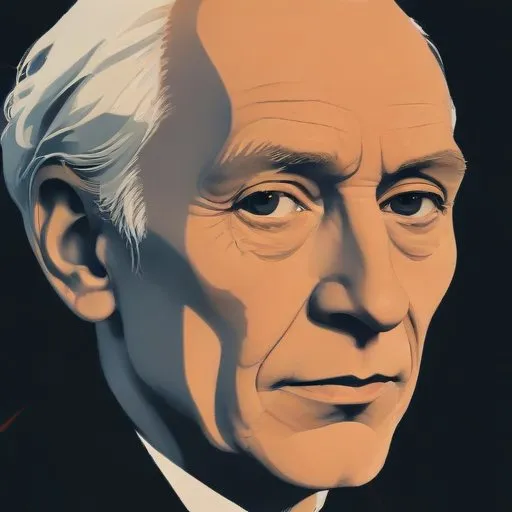
Swiss philosopher, author, and academic who wrote the classic novel "The Swiss Family Robinson", a tale of shipwreck and survival that has captivated readers for centuries.
Johann Rudolf Wyss, a Swiss author, writer, and folklorist, is best known for editing the iconic novel The Swiss Family Robinson, written by his father Johann David Wyss. This beloved classic, published in 1812, has captured the hearts of readers worldwide, making Wyss a household name in the literary world.
Born on March 4, 1782, in Switzerland, Wyss was raised in a family that valued education and the arts. His father, Johann David Wyss, was a pastor and a writer, who instilled in him a love for literature and folklore. Wyss's early life was marked by a strong emphasis on education, which would later shape his career as a writer and academic.
Wyss's academic pursuits led him to become a professor of philosophy at Bern's academy in 1805. He later became the chief librarian of Bern's city library, where he dedicated himself to preserving and promoting Swiss literature and culture. Together with Gottlieb Jakob Kuhn, Wyss edited the periodical Alpenrosen, showcasing his passion for Swiss folklore and literature.
Wyss's own literary endeavors include Vorlesungen über das höchste Gut (Lectures on the Highest Good), a two-volume work published in 1811. He also wrote Idyllen, Volkssagen, Legenden und Erzählungen aus der Schweiz (Idylls, Folk Tales, Legends, and Stories from Switzerland), a three-volume collection of Swiss folklore and stories.
One of his most notable works is Reise im Berner Oberland (Travels in the Bern Highlands), published in 1808. This travelogue, later translated into French as Voyage dans l'Oberland bernois, showcases Wyss's love for his native Switzerland and his talent for storytelling.
Wyss's contributions to Swiss literature and culture are undeniable. Through his work, he has inspired generations of writers, scholars, and readers. His legacy extends beyond his own literary achievements, as he played a crucial role in promoting and preserving Swiss folklore and cultural heritage.
Wyss's personal life was marked by a deep commitment to his family and his community. He lived a life dedicated to education, literature, and cultural preservation. Wyss passed away on March 21, 1830, in Bern, leaving behind a rich legacy that continues to inspire and captivate readers to this day.
Through his literary endeavors, Wyss has left an indelible mark on Swiss literature and culture. His legacy continues to inspire and captivate readers, making him a beloved figure in the world of literature.
Born in 1712
A pioneering thinker who shaped modern democracy and education with his ideas on social contracts, general will, and the importance of early childhood education. His writings influenced the French Revolution and modern political thought.
Born in 1694
A witty and insightful 18th-century writer and philosopher who used satire to critique societal norms and advocate for reason, tolerance, and human rights.
Born in 1724
Developed influential philosophical frameworks, such as the Critique of Pure Reason, that shaped modern Western thought on ethics, morality, and human understanding.
Born in 1770
A German philosopher and academic who developed a comprehensive and systematic philosophy that emphasized the unity of all things and the dialectical process of thesis, antithesis, and synthesis. His ideas have had a profound impact on modern thought, influencing fields such as philosophy, politics, and art.
Born in 1788
A pessimistic philosopher who wrote about the human condition, emphasizing the struggles and sufferings of life, and is famous for his concept of the "will to life".
Born in 1889
A German philosopher and academic who explored the meaning of existence, time, and human existence, influencing 20th-century philosophy with his concept of "Being-in-the-world".
Born in 1905
Existentialist philosopher and playwright who argued that humans have complete freedom to choose their actions and create their own meaning in life, influencing modern thought on morality and individual responsibility.
