


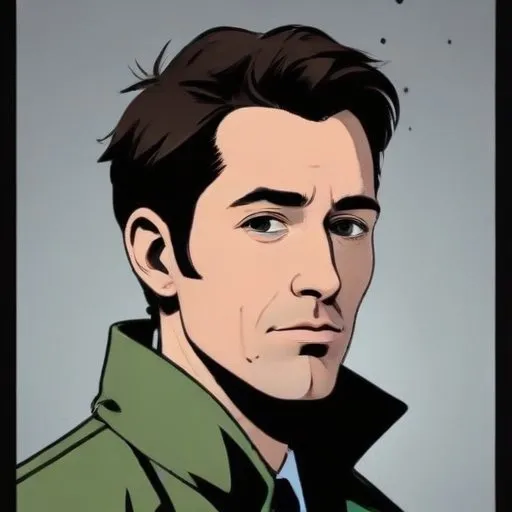
A prolific illustrator of children's books and magazines, particularly famous for his whimsical and humorous depictions of animals.
John Gilroy, a renowned English artist and illustrator, left an indelible mark on the world of advertising with his iconic posters for Guinness, the Irish stout. His whimsical artwork, often signed simply as "Gilroy", has become synonymous with the brand, transporting viewers to a world of delightful characters and witty humor.
Born on May 30, 1898, in Whitley Bay, Northumberland, England, Gilroy's journey began with a passion for art. His studies at Durham University were interrupted by World War I, during which he served with the Royal Field Artillery. After the war, he resumed his artistic pursuits at the Royal College of Art in London, eventually becoming a teacher at the esteemed institution.
In 1925, Gilroy joined S.H. Bensons advertising agency, where he created the beloved Zoo Keeper and animal characters that would go on to become an integral part of Guinness's brand identity. These imaginative posters not only captured the essence of the brand but also showcased Gilroy's unique talent for storytelling through art.
Gilroy's artistic endeavors extended far beyond advertising. He was a prolific portrait painter, having captured the likenesses of royalty, politicians, actors, and many other notable figures. His work also graced the covers of the Radio Times, including a famous 1936 issue featuring a laughing cat.
Gilroy's contributions to the world of art and advertising were recognized with several honors, including an Honorary MA from Newcastle University in 1975 and the distinction of being made a Freeman of the City of London in 1981. He was also a long-standing and cherished member of the Garrick Club, serving as Chairman of the Works of Art Committee from 1970 to 1975.
John Gilroy's artistic legacy continues to inspire and delight audiences worldwide. His work remains a testament to the power of imagination and creativity, reminding us that even the most mundane objects can be transformed into something extraordinary with a dash of humor and a pinch of magic.
Gilroy married twice, first to artist Gwendoline Short in 1924, with whom he had a son, John Morritt, in 1927. His second marriage, in 1950, was to Elizabeth Margaret Outram Bramley, who brought two children, Jenefer and Robin, to the union.
Born in 1872
A provocative and influential artist of the Art Nouveau era, creating decadent and erotic illustrations that pushed boundaries of Victorian morality. Known for his iconic black-and-white drawings and his association with Oscar Wilde's Salome.
Born in 1860
A British artist known for his impressionist and avant-garde paintings, particularly his depictions of urban landscapes and music hall scenes. His work often explored the intersection of art and psychology.
Born in 1828
A Victorian-era poet and painter who founded the Pre-Raphaelite Brotherhood, creating dreamlike, sensual works that explored themes of love, beauty, and mortality.
Born in 1829
A renowned Pre-Raphaelite artist, famous for his exquisite and intricate paintings, particularly "Ophelia" and "Christ in the House of His Parents", which showcased his mastery of color and detail.
Born in 1833
A leading figure in the Pre-Raphaelite movement, creating dreamlike, romantic, and mythological paintings that captivated the Victorian era. His works continue to inspire artists, designers, and writers to this day.
Born in 1827
A British soldier-turned-artist, he co-founded the Pre-Raphaelite Brotherhood, creating vivid, symbolic, and emotionally charged paintings that explored themes of faith, morality, and beauty.
Born in 1821
A French-English soldier and painter who created vivid, detailed, and emotive works that captured the essence of Victorian-era England, particularly with his masterpiece "The Last of England".
Born in 1834
A renowned artist and writer who revolutionized the Arts and Crafts movement with his stunning textiles, poetry, and novels, leaving a lasting impact on Victorian-era aesthetics.
