


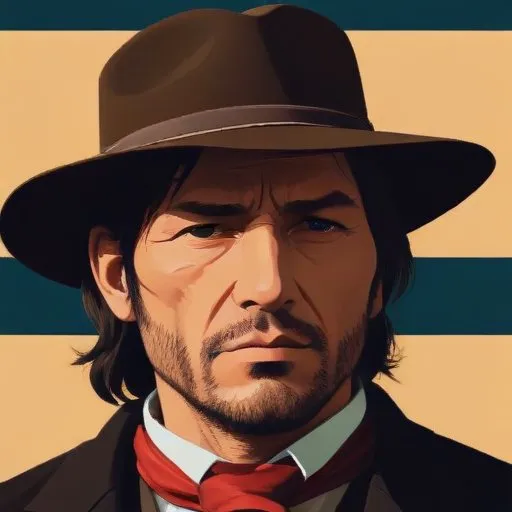
A 17th-century wordsmith who crafted plays and poems that explored themes of love, morality, and mortality, leaving an indelible mark on English literature.
John Marston, baptised on 7 October 1576, was an English playwright, poet, and satirist who left an indelible mark on the literary landscape of the late Elizabethan and early Jacobean periods. Known for his energetic and often obscure style, Marston's contributions to the development of a distinctively Jacobean style in poetry are still widely acknowledged today.
Marston was born to John and Maria Marston (née Guarsi) in Wardington, Oxfordshire. His father, an eminent lawyer, held various positions, including counsel to Coventry and steward. This esteemed background notwithstanding, Marston's interests lay in the arts, much to his father's dismay.
He entered Brasenose College, Oxford, in 1592 and received his BA in 1594. By 1595, he was living in the Middle Temple, London, where he had been admitted a member three years previously. It was here that he nurtured his passion for poetry and playwriting, despite his father's hopes that he would abandon such "vanities."
Under the pseudonym W. Kinsayder, Marston issued another book of satires, The Scourge of Villanie, in 1598. These satires were remarkable for their savage and misanthropic tone, which was even more pronounced than that of his contemporaries.
Marston's unique style, characterized by complexity and obscurity, was deliberate and calculated. He believed that satire should be rough and obscure, perhaps due to his conviction that the term "satire" was derived from the Greek satyr plays.
Despite his brief career, Marston's influence on the development of Jacobean poetry and drama is undeniable. His works, though often challenging, continue to intrigue scholars and literature enthusiasts alike.
Though his life was marked by contrasts, John Marston's literary achievements remain a testament to his innovative spirit and boundless creativity.
John Marston's life and works, though shrouded in mystery, continue to captivate us with their complexity and depth. As we delve into his poetry and plays, we are reminded of the transformative power of art and the enduring legacy of a true literary original.
Born in 1564
Renowned playwright and poet behind iconic works like Romeo and Juliet, Hamlet, and Macbeth, whose writings continue to influence literature and theater to this day.
Born in 1572
A prominent figure in the English Renaissance, known for his witty plays and poems that explored themes of love, power, and morality. His works continue to influence literature and theater to this day.
Born in 1564
A Renaissance master of words, crafting plays and poems that explored the human condition, and translating ancient texts into English, leaving a lasting impact on literature.
Born in 1590
Early Connecticut leader who played a key role in the colony's development and governance, particularly in the 17th century.
Born in 1580
A prominent Jacobean playwright and poet, known for his collaborations with William Shakespeare and his own works, such as "A Game at Chess" and "Women Beware Women".
Born in 1631
A dominant literary figure of the Restoration era, known for his influential poetry, plays, and critical essays that shaped the English literary landscape. He's often credited with creating a new style of heroic drama and satire.
Born in 1846
A Nigerian priest and historian who wrote the first comprehensive history of the Yoruba people, providing valuable insights into their culture and traditions.
Born in 1608
Wrote epic poems, including "Paradise Lost", that explored themes of morality, free will, and the human condition.
