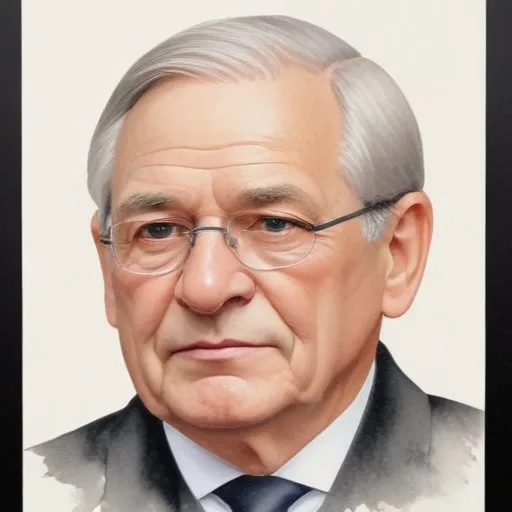
Joseph Wirth: The Chancellor of Fulfillment and Unyielding Commitment to Christian Social Teaching
A Champion of Christian Values in German Politics
Joseph Wirth, a stalwart of the Catholic Centre Party, is renowned for his instrumental role as the
Chancellor of Germany from May 1921 to November 1922, during the tumultuous early years of the Weimar Republic. His unwavering dedication to Christian social teaching extensively influenced his political career, earning him recognition as a champion of Christian values in German politics.
Early Life and Education
Born on September 6, 1879, in Freiburg im Breisgau, Grand Duchy of Baden, Wirth's early life was marked by a strong Catholic upbringing. He pursued his higher education at the University of Freiburg, where he graduated with a degree in economics. This foundation in economics would later serve him well in his political endeavors.
Rise to Prominence: Ministerial Appointments and Chancellorship
Wirth's political career commenced in 1913, when he became a member of the Reichstag. He swiftly rose through the ranks, holding various ministerial positions between 1920 and 1931, including Foreign Affairs, Finance, Interior, and Occupied Territories. In May 1921, he assumed the office of the Chancellor of Germany, a position he held until November 1922.
The Policy of Fulfillment
During his tenure as Chancellor, Wirth implemented the policy of fulfillment, aimed at demonstrating Germany's inability to afford war reparations imposed by the Allies. This bold move was met with resistance from the Allies, who were skeptical of Germany's intentions. Wirth's unwavering commitment to this policy ultimately led to his resignation in November 1922.
Confronting Political Violence and Right-Wing Extremism
Wirth's second government, formed in 1922, faced significant challenges, including the assassination of Foreign Minister Walther Rathenau. In response, Wirth's government enacted the Law for the Protection of the Republic, a landmark legislation aimed at confronting political violence and right-wing extremism.
Exile and Anti-Nazi Activism
Following the rise of the Nazi Party, Wirth went into exile, where he actively collaborated with anti-Nazi groups. His unwavering opposition to the Nazi regime earned him recognition as a stalwart defender of democracy and human rights.
Post-War Era and Later Life
After World War II, Wirth returned to Germany and continued to engage in politics, opposing
Konrad Adenauer's policy of integration with the West. He maintained contacts with the Soviet Union and East Germany, receiving two prestigious honors from the latter. Wirth passed away on January 3, 1956, in his hometown of Freiburg.
Legacy and Impact
Joseph Wirth's legacy is marked by his unyielding commitment to Christian social teaching, his championing of democracy, and his brave stance against Nazi extremism. As a statesman, he played a pivotal role in shaping Germany's post-war trajectory, leaving an indelible mark on the nation's history.
Notable Quotes
- "The fulfillment of our obligations is the only way to regain the confidence of the world."
Awards and Honors
Wirth received numerous awards and honors for his contributions to German politics and his commitment to democracy. These include:
- Two prestigious honors from the East German government
Historical Context and Comparative Analysis
Wirth's tenure as Chancellor coincided with a period of great turmoil in German politics. His policy of fulfillment and his commitment to Christian social teaching serve as a poignant reminder of the complexities of navigating international diplomacy during times of crisis. When compared to his contemporaries, Wirth's unwavering dedication to democracy and human rights sets him apart as a champion of humanitarian values in German politics.
FAQ
What was Joseph Wirths role in German politics?
Joseph Wirth was a German educator and politician, serving as Chancellor of Germany from 1921 to 1922 and playing a key role in shaping the countrys post-WWI development.
How did Joseph Wirth contribute to German education?
Joseph Wirth was a dedicated educator, working to improve Germanys education system and promote social reform through education.
What were Joseph Wirths views on democracy?
Joseph Wirth was a strong advocate for democracy, believing it was essential for Germanys prosperity and stability. He worked to strengthen democratic institutions and promote democratic values.
How did Joseph Wirth influence German foreign policy?
Joseph Wirth played a key role in shaping German foreign policy, working to normalization relations with other European countries and promoting international cooperation.
What was Joseph Wirths legacy?
Joseph Wirth left a lasting legacy in German politics, remembered for his commitment to democracy, education, and international cooperation.