


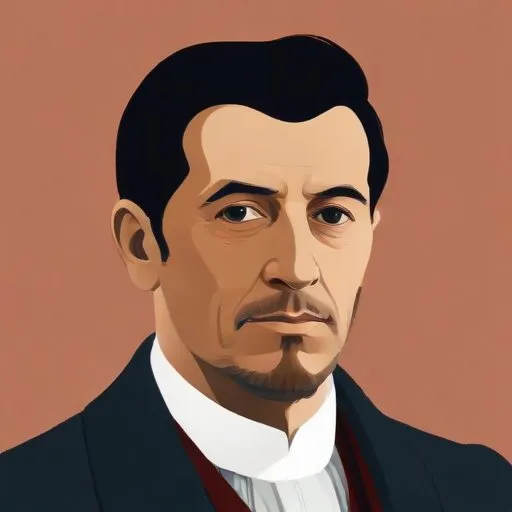
Developed a comprehensive philosophical system that integrated idealism, pragmatism, and metaphysics, and is known for his concept of "loyalty" as the foundation of ethics and morality.
Royce's philosophical ideas have had a lasting impact on modern society. His emphasis on the importance of community, loyalty, and commitment has influenced social and political thought. His ideas on the role of the individual in society, and the importance of individual responsibility, continue to resonate with contemporary thinkers.
Moreover, Royce's philosophy has implications for various fields, including education, politics, and ethics. His ideas on the importance of individual freedom and the role of the state have influenced liberal and democratic thought.
Royce's life and work are set against the backdrop of a rapidly changing American society. His philosophical ideas reflect the optimism and idealism of the late 19th and early 20th centuries, as well as the growing concerns about industrialization, urbanization, and social change.
Royce's legacy extends beyond the realm of philosophy to influence areas such as education, politics, and social thought. His ideas continue to inspire and challenge contemporary thinkers, ensuring his place as a vital figure in the development of American philosophical thought.
Royce's philosophy is often compared to that of William James, another prominent American philosopher of the time. While both thinkers shared a commitment to pragmatism, Royce's emphasis on idealism and absolutism sets him apart from James's more radical empiricism.
"The human race now passes through one of its great crises. New ideas, new issues - a new call for men to carry on the work of righteousness, of charity, of courage, of patience, and of loyalty."
Royce was awarded multiple honorary degrees from institutions such as Yale University and the University of California, Berkeley.
Josiah Royce's remarkable contributions to American philosophy have left an indelible mark on modern thought. His philosophy of loyalty, defense of absolutism, and commitment to pragmatism continue to inspire and challenge contemporary thinkers. As a pioneer of American idealism, Royce's legacy ensures his place as a vital figure in the development of American philosophical thought.
Born in 1842
Pioneering philosopher and psychologist who explored the nature of consciousness, free will, and religious experience, and is known for his pragmatic approach to philosophy and psychology.
Born in 1859
Developed pragmatic philosophy and progressive education theories, focusing on hands-on learning and social reform. Known for his influential ideas on democracy, education, and individual freedom.
Born in 1863
A Spanish philosopher, novelist, and poet who explored the human experience through his writings, delving into the realms of metaphysics, ethics, and aesthetics. His philosophical ideas and literary works continue to influence contemporary thought.
Born in 1839
A pioneer in logic, semiotics, and pragmatism, he developed a comprehensive philosophical system and made significant contributions to the development of modern logic and statistics.
Born in 1803
A leading figure in the Transcendentalist movement, he advocated for individualism, self-reliance, and nature-inspired spirituality through his essays and poetry. His ideas continue to influence American thought and culture.
Born in 1817
A 19th-century thinker who advocated for simple living, civil disobedience, and individualism, inspiring generations to reevaluate their relationship with nature and society.
Born in 1806
A prominent 19th-century thinker who championed individual liberty, free speech, and women's rights, and is best known for his influential book "On Liberty".
Born in 1724
Developed influential philosophical frameworks, such as the Critique of Pure Reason, that shaped modern Western thought on ethics, morality, and human understanding.
