


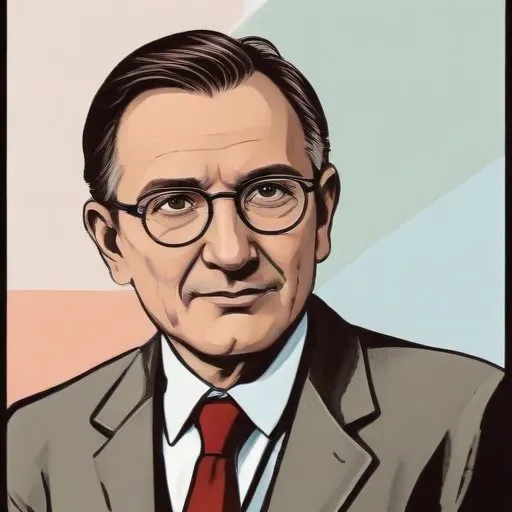
A pioneer in immunology and microbiology, he discovered the bacteriophage and developed the complement fixation test, revolutionizing our understanding of immunity and disease diagnosis.
Jules Bordet, a Belgian immunologist and microbiologist, is renowned for his groundbreaking discoveries in immunity, earning him the Nobel Prize in Physiology or Medicine in 1919. Specifically, his work on the bacteriolytic effect of acquired specific antibody and the discovery of complement, a crucial component of the immune system, has had a lasting impact on our understanding of disease and treatment.
Born on June 13, 1870, in Soignies, Belgium, Bordet pursued his passion for medicine, graduating as a Doctor of Medicine from the Free University of Brussels in 1892. He then joined the Pasteur Institute in Paris, where he worked under the guidance of Elie Metchnikoff, a Nobel laureate, in 1894.
In 1895, Bordet made a significant breakthrough, demonstrating that the bacteriolytic effect of acquired specific antibody is enhanced by the presence of innate serum components, which he termed "alexine" (now known as complement). This discovery paved the way for the development of serological tests for various diseases, including syphilis.
Bordet's contributions to the field of immunology and microbiology have been recognized with numerous awards and honors, including:
Bordet's work has had a profound impact on modern medicine, enabling the development of serological tests for various diseases and paving the way for further research in immunology and microbiology. His discoveries have saved countless lives and continue to influence medical research to this day.
Throughout his life, Bordet remained dedicated to his work, making significant contributions to the field of immunology and microbiology. He passed away on April 6, 1961, leaving behind a legacy that continues to inspire and influence scientists today.
Did you know that the bacterial genus Bordetella is named after Jules Bordet, in recognition of his contributions to the field of microbiology?
Bordet's work has stood the test of time, and his discoveries continue to shape our understanding of the immune system and disease. As we look back on his remarkable career, we are reminded of the power of dedication and innovation in advancing human knowledge.
Born in 1845
Developed the theory of phagocytosis, which describes how cells engulf and destroy foreign particles and bacteria, leading to a deeper understanding of the immune system.
Born in 1854
A German physician and biologist who discovered the first effective treatment for syphilis and developed the concept of chemotherapy, earning a Nobel Prize in Physiology or Medicine in 1908.
Born in 1854
Developed the first vaccine against diphtheria and tetanus, revolutionizing the treatment of bacterial infections. Pioneered the field of immunology and saved countless lives.
Born in 1843
A pioneering microbiologist and physician who discovered the bacteria that cause tuberculosis, cholera, and anthrax, revolutionizing the field of microbiology and saving countless lives.
Born in 1822
Developed vaccines for rabies and anthrax, and pioneered the germ theory of disease, revolutionizing our understanding of microbiology and disease prevention.
Born in 1821
A pioneer in modern medicine, he founded the field of social medicine, emphasizing the importance of social and environmental factors on health, and made significant contributions to cellular pathology.
Born in 1852
Pioneering neuroscientist and pathologist who discovered the structure of neurons and pioneered the field of neuroscience, earning a Nobel Prize in Physiology or Medicine in 1906.
