


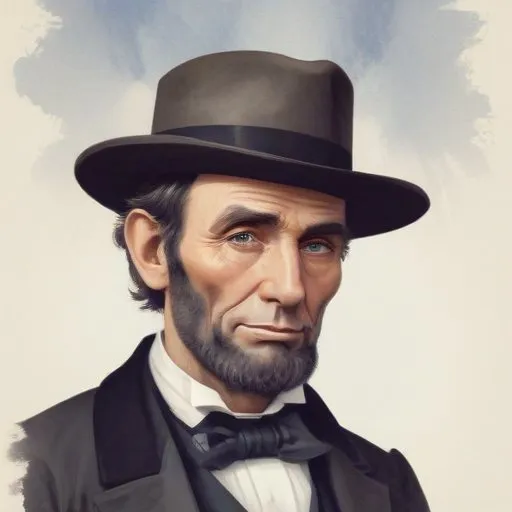
Pioneering explorer of the Arctic and Antarctic regions, credited with being the first to fly over the North Pole and discovering new lands in Antarctica.
Lincoln Ellsworth, a renowned American polar explorer, is best known for being the first person to fly over the North Pole and reaching the Geographic North Pole on May 12, 1926. This remarkable achievement was part of the Amundsen-Ellsworth Expedition, a historic moment that marked a significant milestone in the history of polar exploration.
Born on May 12, 1880, in Chicago, Illinois, Lincoln Ellsworth grew up in a wealthy family. His father, James Ellsworth, was a successful coal businessman who later funded Roald Amundsen's 1925 attempt to fly to the North Pole. Ellsworth's early life was marked by poor academic performance, and he attended several schools, including The Hill School, Yale University, Columbia University, and McGill, before eventually dropping out.
In 1925, Ellsworth accompanied Roald Amundsen on an attempted flight to the North Pole. Although they didn't reach the pole, the expedition was a significant learning experience for Ellsworth. In 1926, Ellsworth joined Amundsen again on the airship Norge, designed and piloted by Umberto Nobile, in a successful flight over the North Pole.
Between 1933 and 1939, Ellsworth led four expeditions to Antarctica, using a former Norwegian whaling ship as his base. During these expeditions, he explored the coast of Antarctica, collected scientific data, and mapped new territories.
Ellsworth's contributions to polar exploration are immeasurable. He was a major benefactor of the American Museum of Natural History and donated many of his expedition artifacts and photographs to the museum. His expeditions paved the way for future generations of polar explorers and scientists.
"The greatest adventure is what lies ahead." - Lincoln Ellsworth
Lincoln Ellsworth's life was marked by adventure, bravery, and a passion for exploration. His legacy continues to inspire generations of explorers, scientists, and enthusiasts, leaving an indelible mark on the world of polar exploration.
Born in 1872
First person to reach the South Pole, leading a Norwegian expedition in 1911, and a pioneer in Arctic and Antarctic exploration.
Born in 1868
Led a British expedition to the South Pole, racing against a Norwegian team, and tragically perished on the return journey. He is remembered for his bravery and sacrifice in the pursuit of scientific discovery.
Born in 1888
Led the first flights over the North and South Poles, and explored Antarctica, expanding our knowledge of the world's most remote regions.
Born in 1874
Led expeditions to the Antarctic, famously surviving a disastrous shipwreck and trekking to safety, earning a legendary reputation for bravery and leadership.
Born in 1865
An American physician and explorer who led an expedition to the North Pole in 1908, claiming to be the first person to reach the pole, although his achievement was later disputed. He was a pioneer in Arctic exploration and wrote several books about his adventures.
Born in 1866
First African American to reach the North Pole, part of Robert Peary's expedition, and a pioneer in Arctic exploration.
Born in 1873
A Norwegian skier and explorer who was part of Roald Amundsen's successful expedition to reach the South Pole in 1911, earning him a place in Antarctic exploration history.
