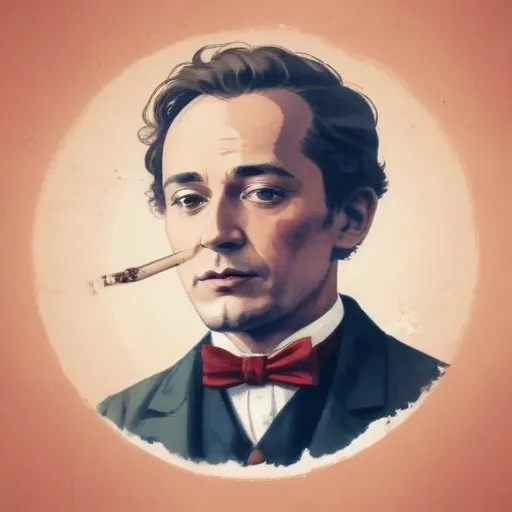
Ludwig August Lebrun: The Virtuosic Oboist of the Mannheim School
A Master of the Oboe
Ludwig August Lebrun was a renowned German oboist and composer, celebrated for his divine oboe playing and virtuosic technique. As a member of the esteemed Mannheim school, Lebrun was a contemporary of prominent composers and musicians, including
Carl Stamitz and Anton Stamitz, and was known for his breathtaking performances that left audiences enchanted.
Early Life and Career
Born in Mannheim in 1752, Lebrun began his musical journey at a tender age. His father, an oboist of probable Belgian origin, worked at the Mannheim court from 1747 and instilled in him a deep love for music. Lebrun joined the orchestra at the age of 12 and became a full member by the age of 15, demonstrating his prodigious talent and dedication to his craft.
Marriage and Travels
In the summer of 1778, Lebrun married the soprano Franziska Danzi, one of the most celebrated singers of the time and sister of composer
Franz Danzi. This union not only brought together two musical souls but also formed a dynamic duo that traveled extensively across Europe, performing in Milan, Paris, London, Vienna, Prague, Naples, Munich, and Berlin. The couple's harmonious blend of voice and oboe was renowned, with composers writing arias specifically for them, such as those in Gnther von Schwarzburg by
Ignaz Holzbauer, LEuropa riconosciuta by
Antonio Salieri, and Castore e Polluce by Georg Joseph Vogler.
Legacy and Impact
Lebrun's influence on the development of the oboe repertoire cannot be overstated. His contributions to the Mannheim school, a prominent musical movement of the time, helped shape the classical music landscape. Music historian Charles Burney praised Lebrun's performances, noting that when he played with his wife, "one cannot hear which is the upper or the lower voice." This testament to the couple's synergy and artistry has endured long after their time.
Major Works
Lebrun's compositional output includes:
- Ballets: Armida and Adle de Ponthieu
- Concertos for Oboe and Orchestra:
- No. 1 in D minor
- No. 2 in G minor
- No. 3 in C major
- No. 4 in B-flat major
- No. 5 in C major
- No. 6 in F major
- Concerto for Clarinet and Orchestra in B-flat major
- Duos for Violin and Viola
- Flute duets
Personal Life and Later Years
Lebrun's life was cut short when he died in Berlin at the age of 38 due to liver inflammation. He left behind a legacy as a devoted husband, father, and musician. His daughters, Rosine Lebrun and Sophie Lebrun, went on to become accomplished opera singer and actress, and pianist and composer, respectively.
Ludwig August Lebrun's remarkable talent, dedication, and contributions to the world of music have secured his place among the most celebrated oboists of all time. His music continues to inspire and delight audiences, ensuring his legacy endures for generations to come.
FAQ
What was Ludwig August Lebruns role in the development of classical music?
Ludwig August Lebrun was a renowned German oboe player and composer who made significant contributions to the development of classical music, particularly in the late 18th century. His compositions showcased his mastery of the oboe, earning him recognition as one of the most skilled oboists of his time.
What were Ludwig August Lebruns most notable compositions?
Ludwig August Lebruns compositions include concertos, sonatas, and chamber music works, showcasing his expertise in classical music. His oboe concertos, in particular, are still highly regarded and performed today, demonstrating his profound understanding of the instrument.
Who was Ludwig August Lebruns mentor?
Ludwig August Lebrun was deeply influenced by his mentor, Johann Christian Bach, a prominent composer and organist of the time. Bachs guidance helped shape Lebruns unique style and musical approach.
What was Ludwig August Lebruns impact on the oboe?
Ludwig August Lebruns virtuosic oboe playing and compositions elevated the instruments reputation, making it a more prominent feature in classical music. He is credited with expanding the oboes technical capabilities and expressive range.
Sub-question: What was the significance of Lebruns oboe concertos?
Lebruns oboe concertos are notable for their technical complexity, lyrical melodies, and innovative use of harmony. They have become staples of the classical oboe repertoire, inspiring future generations of oboists and composers.